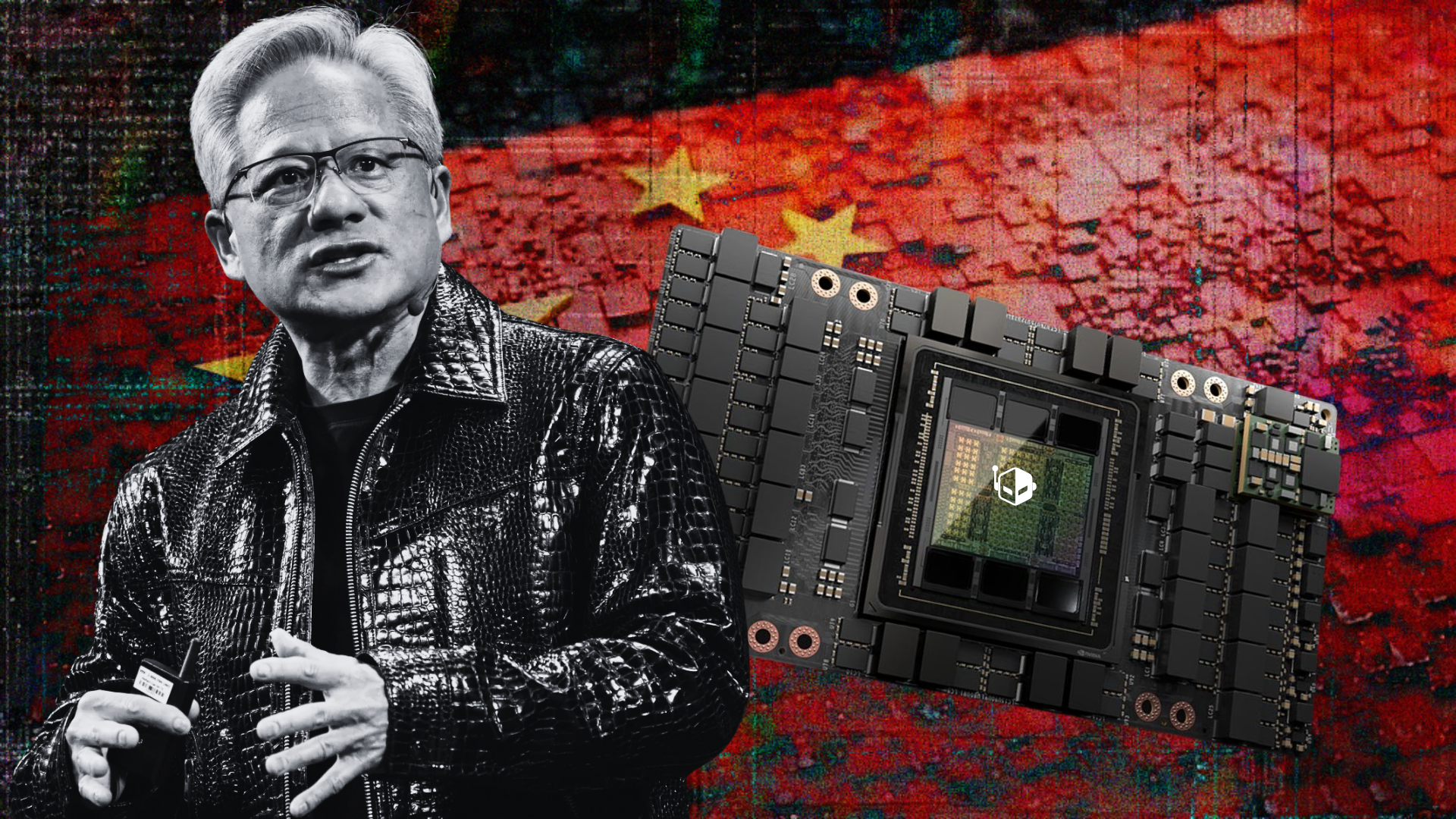
NVIDIA’s plans for the China market appear to be losing momentum, with a new report suggesting the company is dialing back H200 production and shifting its focus toward its next-generation Vera Rubin platform instead.
According to a report from the Financial Times, NVIDIA has stopped producing H200 AI chips that were originally positioned to serve demand in China. The move comes after months of uncertainty around what the company can actually ship into the region, despite CEO Jensen Huang’s public push to bring more Chinese hyperscaler business back into NVIDIA’s revenue mix. The latest development signals growing frustration inside the company as rules and expectations continue to change.
The backdrop here is important. NVIDIA had reportedly planned for massive demand for H200 in China, with expectations that could have reached into the millions of units. That level of confidence prompted NVIDIA to engage supply chain partners to prepare for a surge, including adjustments on the manufacturing side to support higher output. But that optimistic outlook has been undercut by fresh limits tied to US policy, with reports indicating H200 volumes could be capped at around 75,000 units per customer. That’s a dramatic contrast to the scale NVIDIA was preparing for and makes long-term planning far harder.
With uncertainty rising, NVIDIA appears to be choosing a more predictable path: allocate capacity toward products it can sell broadly and consistently. Vera Rubin, NVIDIA’s upcoming architecture, is expected to see strong demand from hyperscalers worldwide, and redirecting manufacturing resources toward that lineup helps NVIDIA prioritize stable output and cleaner forecasting.
This strategy also reflects a key reality of the AI hardware business: NVIDIA’s supply chain is complex and capacity is finite. When production plans constantly shift based on changing geopolitical signals, it can ripple across suppliers and manufacturing partners, creating confusion and inefficiency. By focusing on platforms with fewer restrictions and clearer global demand, NVIDIA can protect its delivery timelines and reduce operational whiplash.
While the ongoing NVIDIA-China situation is far from resolved, the direction is becoming clearer. Unless the political and regulatory environment stabilizes, NVIDIA is likely to concentrate on serving markets where it can ship at scale without last-minute limitations—putting consistency and long-term execution ahead of chasing uncertain regional revenue.


