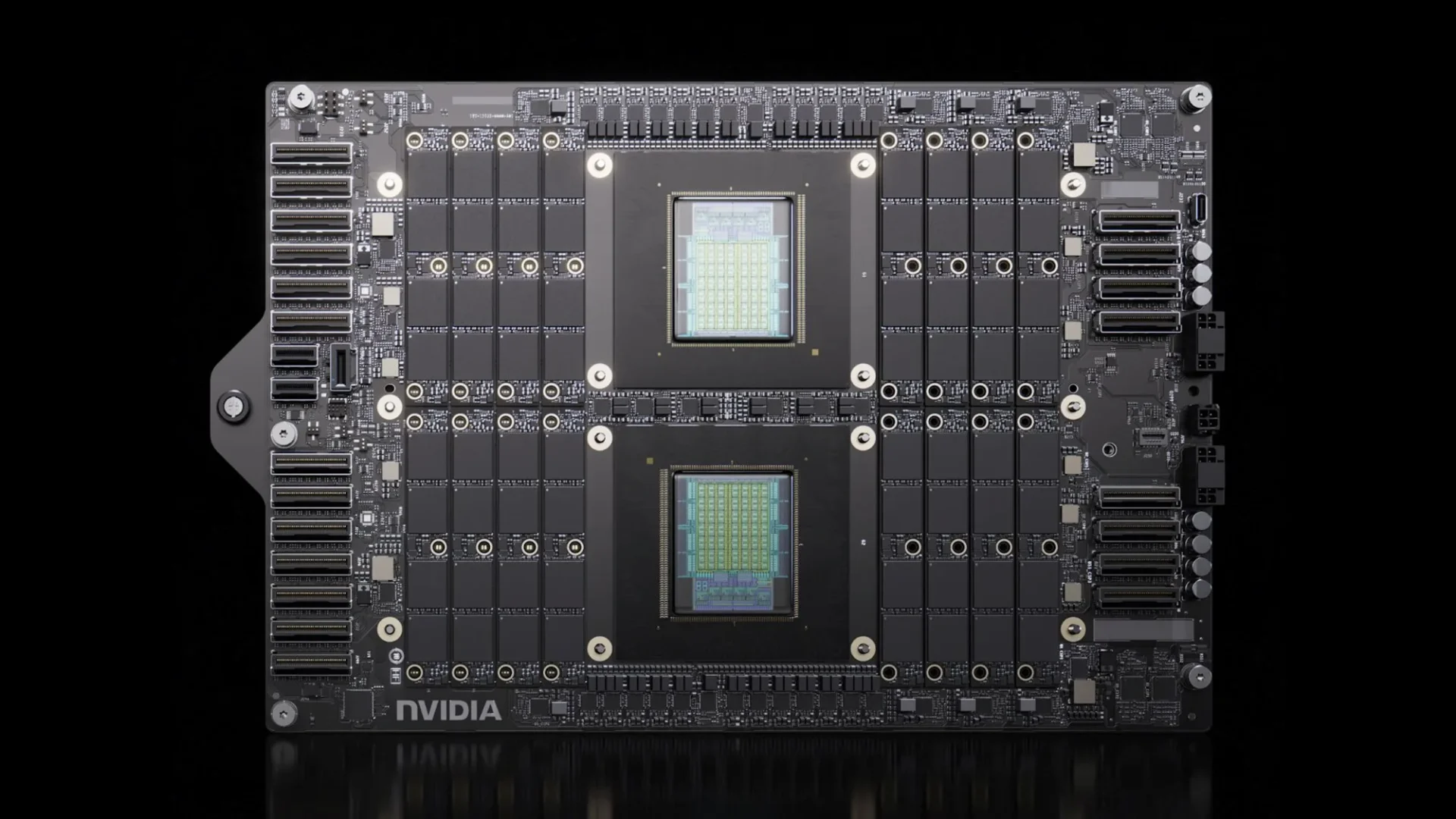
NVIDIA is expanding its memory supply chain as it gears up for the massive demands of its next-generation Vera Rubin platforms, designed to power the company’s push into Agentic AI. With AI servers growing more memory-hungry by the month, NVIDIA is lining up more partners to ensure it can ship enough systems at scale—without being constrained by limited sourcing.
Vera Rubin uses two different types of memory, each serving a specific role in the platform. On the CPU side, the Vera CPUs rely on LPDDR5X DRAM, a low-power memory known for strong efficiency and high density—ideal for keeping power and thermals in check while still delivering substantial capacity. On the GPU side, Rubin GPUs use HBM4 DRAM, a high-bandwidth memory technology built for extreme throughput in AI workloads. HBM4 is smaller and dramatically faster, but it’s also far more complex to manufacture, which keeps the supplier list limited to a small number of major global producers.
LPDDR5X, however, is far more widely produced across the memory industry. That difference gives NVIDIA a strategic opportunity: diversify LPDDR5X sourcing more easily, reduce risk, and increase the odds of meeting demand for new AI server deployments.
A new report indicates NVIDIA has added a Taiwan-based manufacturer to its LPDDR5X supply options for Vera Rubin. Nanya Technology, a DRAM maker known for producing LPDDR5 and LPDDR5X memory, has reportedly been selected as a supply chain partner for NVIDIA’s Vera Rubin main memory. If accurate, this would make Nanya a notable new entrant in AI server memory supply—an area that has historically been dominated by large Korean and American memory vendors.
This development would also represent an important milestone for Taiwan’s memory ecosystem. Many local memory firms that participated heavily in traditional PC memory markets have struggled to meet the strict performance, reliability, and qualification requirements demanded by cutting-edge AI platforms. The report suggests that local industry support and manufacturing/process optimization guidance helped close that gap—leading to Nanya’s reported inclusion in one of the most demanding AI hardware ecosystems in the world.
The timing makes sense. NVIDIA’s Vera Rubin generation is expected to bring a substantial jump over the previous Grace Blackwell (GB300) era. Each Vera Rubin Superchip is described as packing up to 1.5 TB of memory and delivering up to 1.2 TB/s of bandwidth. That translates to roughly triple the memory capacity and about a 50% bandwidth increase compared with the prior generation—an upgrade path that will place even more pressure on component supply.
NVIDIA is also positioning Vera CPUs for rack-scale AI, with configurations that can scale to 256 Vera chips per rack. At that rack level, the platform is described as reaching up to 400 TB of memory and up to 315 TB/s of aggregate bandwidth. Those numbers underline why dependable LPDDR5X availability matters: if AI infrastructure is going to scale in racks, memory sourcing can’t become the bottleneck.
Another key takeaway is how the AI workload balance is evolving. As Agentic AI grows, CPUs are becoming increasingly important alongside GPUs. Even with techniques that heavily compress KV cache in newer AI models, overall memory requirements continue to rise due to larger deployments, more concurrent users, bigger context windows, and the need to keep systems responsive under heavy inference loads. More CPU capacity and more memory per node means a broader and more resilient global supply chain becomes essential.
By reportedly adding a Taiwan-based LPDDR5X supplier for Vera Rubin platforms, NVIDIA appears to be making a practical move to support volume production, reduce dependency risk, and ensure it can keep pace with the accelerating demand for next-generation AI servers.