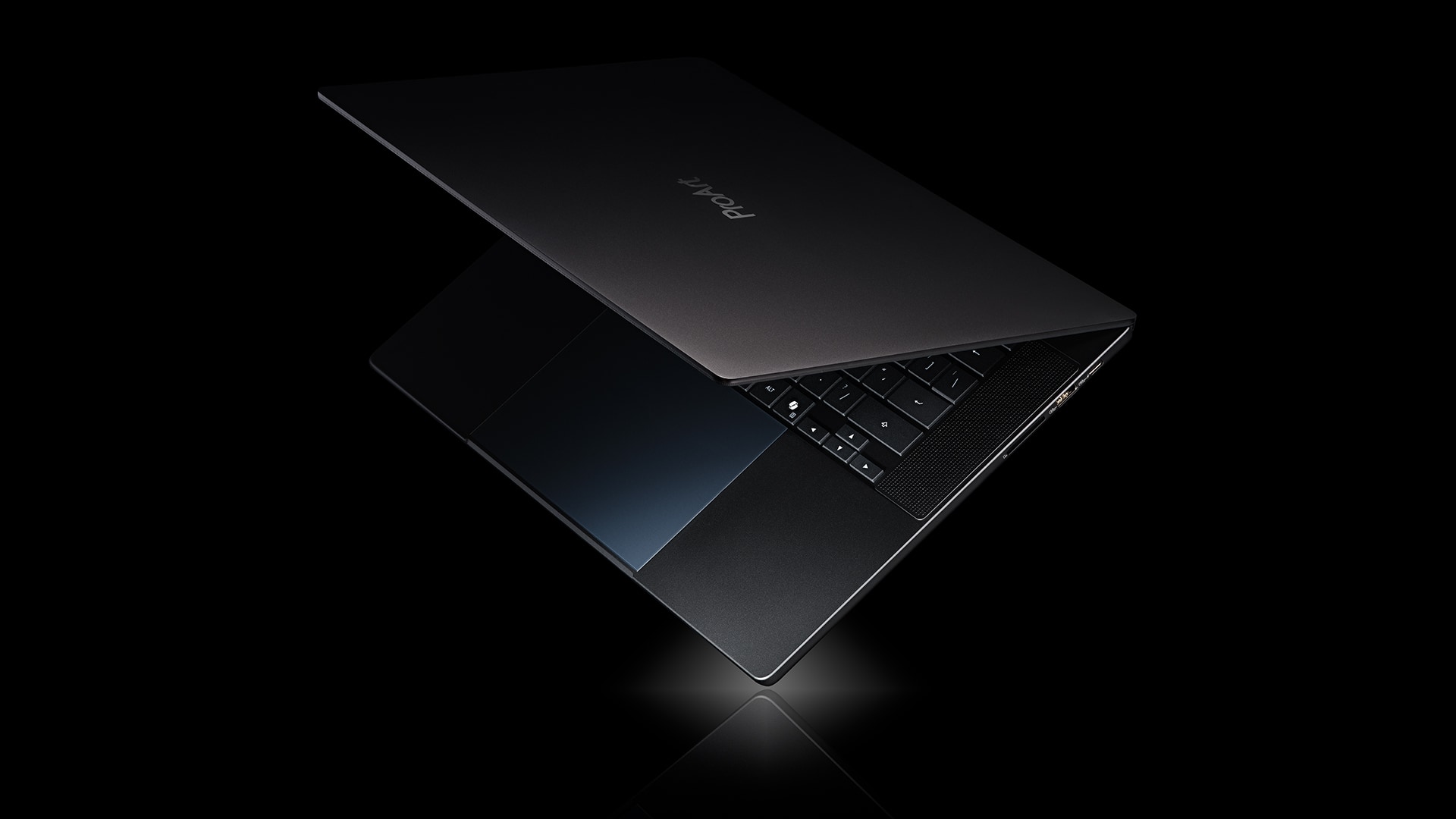
NVIDIA RTX Spark AI PCs Set for Fall 2026 Launch, With ASUS and MSI Leading the First Wave
NVIDIA is preparing to make a major move into the AI PC market with its first RTX Spark systems expected to arrive in fall 2026. ASUS and MSI are set to be among the first manufacturers to launch RTX Spark-powered PCs, with Acer and Gigabyte expected to follow soon after. Larger PC brands, including Microsoft, HP, and Dell, are also expected to introduce their own RTX Spark products as the platform expands.
The RTX Spark platform represents NVIDIA’s push to bring powerful AI computing directly to laptops, desktops, and workstations. Instead of relying heavily on cloud-based AI processing, these new systems are designed to run advanced AI workloads locally. That makes them appealing for users who need high performance for artificial intelligence, content creation, development, and gaming in one machine.
NVIDIA showcased RTX Spark systems during SIGGRAPH 2026, giving an early look at upcoming laptops and desktops built around the new platform. The company confirmed that the first systems are now finalized and on track for the previously planned fall 2026 release window.
A key part of RTX Spark is NVIDIA’s collaboration with MediaTek. The platform is built around the N1X chip, which combines Grace CPU cores with Blackwell GPU cores. This design is aimed at delivering strong performance for local AI workloads, including large language models, generative AI tools, and creative applications.
One of the biggest highlights is support for up to 128GB of unified LPDDR5X memory. That large shared memory pool is especially important for AI PCs, where demanding models and creative software can quickly consume system resources. With this configuration, RTX Spark machines could become attractive options for developers, creators, researchers, and power users who want workstation-class AI performance in a more compact PC form factor.
The first RTX Spark PCs are expected to target the premium AI PC segment. Early pricing is reportedly expected to start around $2,500 to $3,000, meaning these systems will likely compete in the high-end laptop and desktop market rather than the mainstream consumer category at launch.
While the pricing may place RTX Spark PCs out of reach for casual buyers, demand for local AI computing is growing quickly. Businesses, creators, and developers are increasingly looking for machines that can handle AI tasks without depending entirely on remote servers. This shift could give NVIDIA a strong position in the next stage of the PC market, where AI acceleration is becoming a major selling point.
The launch is also expected to benefit several hardware suppliers, especially companies involved in cooling, high-speed connectivity, and power delivery. Since RTX Spark systems are likely to require advanced thermal solutions and efficient power designs, component makers in these areas could see increased demand as production ramps up.
NVIDIA has already released its first RTX Spark drivers for developers, including support for native Windows on Arm. These early drivers are important because they allow software developers to begin preparing and optimizing applications before the first consumer systems hit the market.
Driver information has also revealed multiple N1X configurations. One version appears to feature 6,144 GPU cores, while another configuration includes 5,120 GPU cores. NVIDIA is also working on a more mainstream N1 chip under the RTX Spark family, though full specifications and performance details have not yet been officially announced.
The combination of Grace CPU cores, Blackwell GPU technology, high-capacity unified memory, and Windows on Arm support makes RTX Spark one of NVIDIA’s most ambitious PC platform efforts to date. Rather than simply supplying graphics chips to PC makers, NVIDIA is now positioning itself deeper within the AI PC ecosystem.
As fall 2026 approaches, more details are expected from NVIDIA and its manufacturing partners. ASUS and MSI will be the first brands to watch, but the broader rollout could quickly expand across multiple laptop and desktop categories.
If NVIDIA can deliver strong AI performance, efficient power consumption, and broad software compatibility, RTX Spark could become a major turning point for AI PCs. The platform is aimed at users who want local AI processing, premium gaming capability, and professional creative performance in a single system, making it one of the most closely watched PC launches of 2026.


