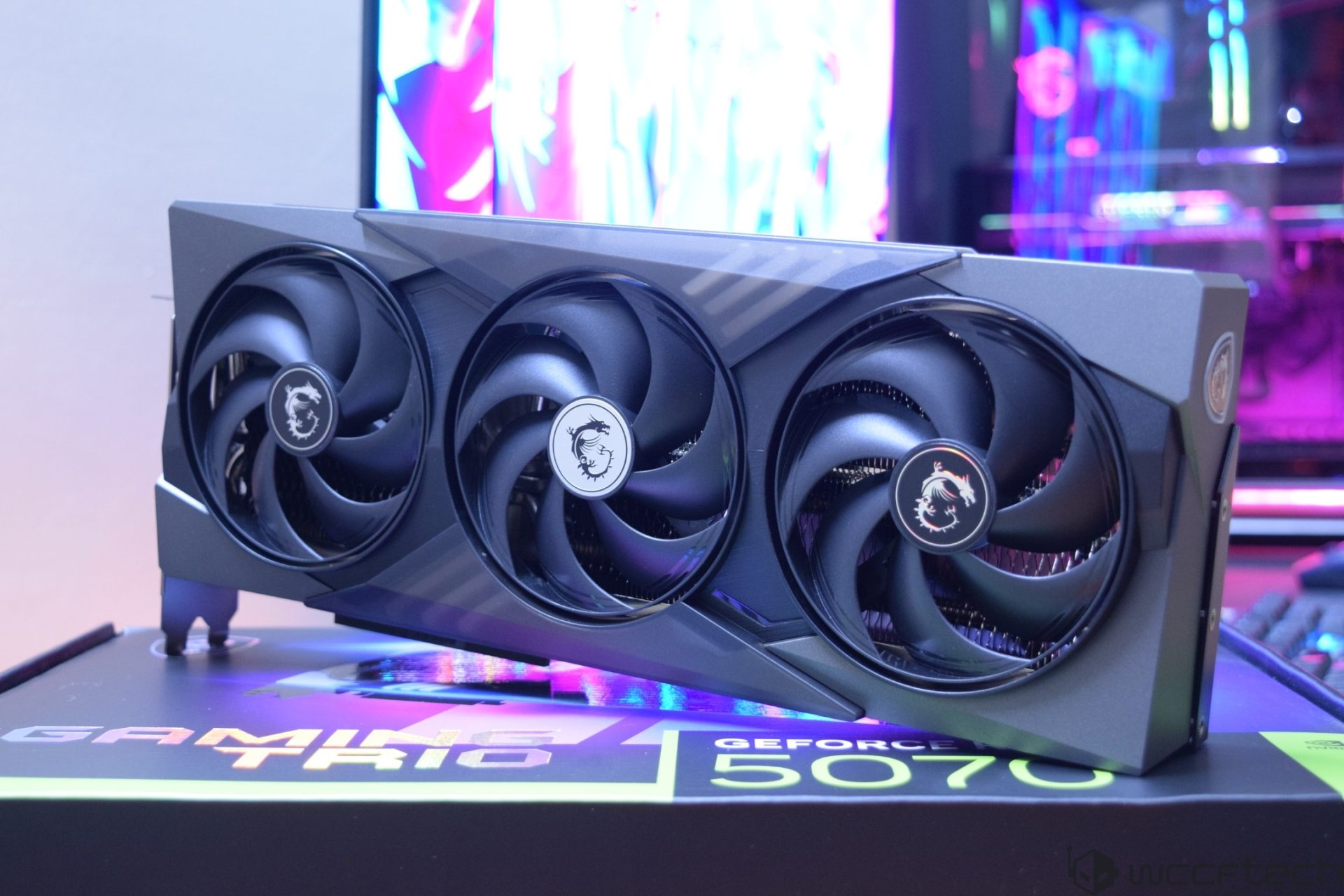
NVIDIA GeForce RTX 50 Series Prices Surge Worldwide as GPU Costs Spiral Out of Control
NVIDIA’s GeForce RTX 50 series has become significantly more expensive across the global market, with several models now selling far above their original launch prices. What was already a costly generation of graphics cards has turned into one of the most expensive GPU lineups in recent memory, driven by rising memory prices, component shortages, and continued demand for high-end PC hardware.
The biggest price shock comes from the GeForce RTX 5090, NVIDIA’s flagship Blackwell gaming GPU. Since launch, the RTX 5090 has rarely been available at its official MSRP, but recent market movement has pushed it into extreme territory. In the United States, some listings have climbed beyond $9,000, making the card nearly impossible for most gamers and PC builders to justify.
Compared to its original MSRP, the RTX 5090 has reportedly seen price increases of around 370% in the U.S. market and roughly 262% globally. Much of that increase has taken place this year, as GPU pricing pressure has intensified across multiple regions. The situation has worsened further due to uncertainty around supply, with reports suggesting limited availability or possible discontinuation concerns for certain models.
The price hike has not been limited to the flagship card. The GeForce RTX 5080, the second-fastest GPU in the RTX 50 lineup, has also been hit hard. In the U.S., the RTX 5080 is now selling at around 120% above its original MSRP, while global pricing is averaging roughly 77% higher. For many buyers who were hoping the RTX 5080 would be a more realistic high-end alternative to the RTX 5090, that value proposition has weakened considerably.
Several markets recorded steep month-to-month increases in October. The U.S. saw average RTX 5090 prices jump by about 36% in a single month, while Germany, Australia, the Philippines, and the Netherlands saw increases of more than 40% compared to September. These jumps show that the problem is not isolated to one region. Instead, the RTX 50 series price surge appears to be a worldwide trend.
Mid-range and upper-mid-range cards are also affected, though not as severely as the RTX 5090 and RTX 5080. The GeForce RTX 5070 Ti and RTX 5070 are now selling around 67% and 64% above MSRP in the United States. However, their October price growth was more modest in most regions, generally staying under 10%. That makes them less volatile than the flagship cards, but still far more expensive than many buyers expected.
The GeForce RTX 5060 Ti 16GB has become one of the clearest examples of how rising VRAM prices are affecting GPU costs. Because it carries twice the memory of the 8GB version, the 16GB model has been hit especially hard by memory market pressure. In the U.S., it is now selling around 84% above MSRP, with some models approaching or exceeding $800 depending on the manufacturer and edition.
By comparison, the RTX 5060 Ti 8GB has seen a more moderate increase. It is currently selling around 40% above MSRP in the U.S. and roughly 24% higher on average worldwide. While that is still a major jump, the smaller memory configuration appears to have protected it from the worst of the VRAM-driven price surge.
The standard RTX 5060 has followed a similar path, with prices continuing to rise as supply and component costs remain under pressure. Meanwhile, the entry-level RTX 5050 is becoming harder to find below $400. The card reportedly climbed from around $260 to approximately $420 this year, placing it about 68% above MSRP in the U.S. and around 41% above MSRP globally.
Ironically, the RTX 5050 was initially criticized for offering poor value compared to older or higher-tier cards. Now, due to the sharp increase in GPU prices across the entire RTX 50 series, it has become one of the cheaper 8GB options in the current-generation market. That shift highlights just how quickly the pricing landscape has changed.
The main driver behind these increases appears to be the rapid rise in memory and PCB costs. GDDR memory prices have been climbing, and demand from AI, data centers, and consumer electronics continues to put pressure on supply chains. As memory becomes more expensive, graphics cards with larger VRAM capacities are seeing the biggest price jumps.
This is bad news for gamers, PC builders, and creators who were waiting for RTX 50 series prices to stabilize. Instead of moving closer to MSRP months after launch, many models are drifting further away from affordability. High-end GPUs are increasingly becoming luxury products, while even entry-level and mid-range cards are creeping into price ranges that used to belong to much stronger hardware.
Unless memory prices cool down and GPU supply improves, the RTX 50 series may continue to get more expensive in the coming months. For now, buyers looking to upgrade may need to compare regional pricing carefully, consider last-generation alternatives, or wait for the market to settle before committing to a new graphics card.