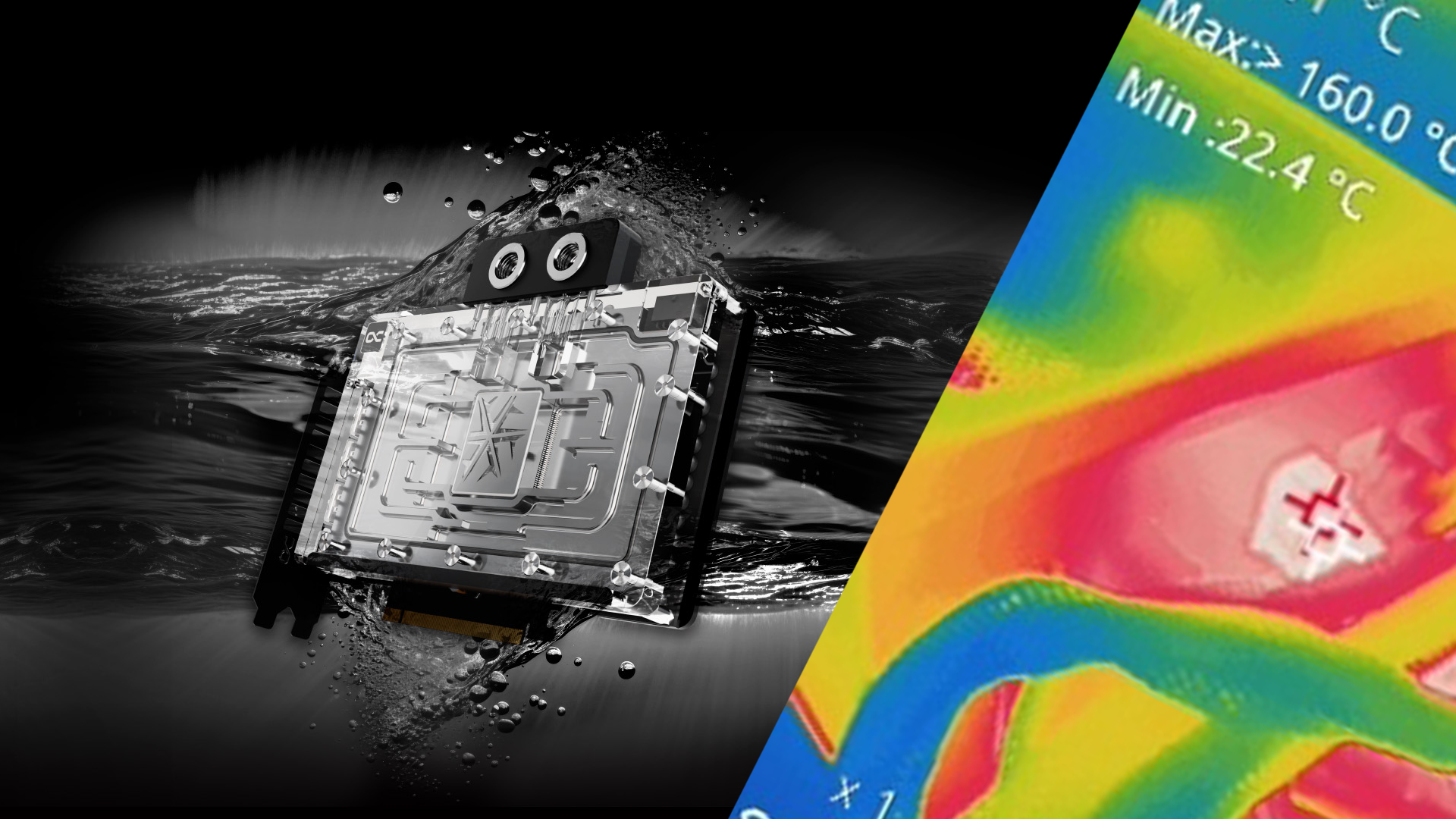
The GeForce RTX 5090 is undoubtedly a powerhouse in the world of graphics cards, with its cutting-edge ATX 3.1 and PCI-E 5.1 standards. However, a storm is brewing on the horizon as the card’s 12V-2×6 power cable has been found to run alarmingly hot, reaching temperatures that would make any tech enthusiast uneasy.
Imagine this: a cable that not only supports the latest in gaming technology but also doubles as an unexpected heating element. Under a stress test, the 12V-2×6 power cable attached to the GeForce RTX 5090 was found sizzling at a staggering 150°C. For those who aren’t familiar with tech temperature norms, anything north of 100°C is a serious concern. To see a connector reach beyond 150°C is rare and part of a growing narrative surrounding the design faults of the 16-pin power connector.
Originally, the updated 12V-2×6 power cables were heralded as saviors, designed to address previous melting issues seen with earlier models like the RTX 4090. Although they have mitigated some issues, they are not completely immune to the flaws inherent in the design. Concerns have arisen after reports surfaced about connectors melting on both the RTX 5090 and at the power supply unit (PSU), particularly when using the 12VHPWR connector.
Emerging from Andreas Schilling’s trial by fire is a vivid thermal image showcasing a glaring hotspot at the PSU end. Even with the adoption of a water block for enhanced cooling, the Inno3D GeForce RTX 5090 iChill Frostbite edition saw its power cable soaring to intense temperatures under the full load of its operations. The GPU, at its peak, guzzles up to 575 watts, with custom editions potentially demanding even more power, pushing the connectors to their thermal limits.
In Schilling’s test, the cable reached temperatures over 150°C while sustaining a power consumption of 600W. This extreme heat exposure could have easily resulted in melting both the wires and connectors, but fortunately, disaster was averted this time. Never before has the 12V-2×6 connector reached such scorching temperatures, highlighting a critical design oversight in the 16-pin power configuration. Specifically, if one pin is left bearing the brunt of the load due to improper connection of others, melting could swiftly follow under heavy GPU usage.
The narrative unfolding around the GeForce RTX 5090 power connectors is a crucial watchpoint for current owners and potential buyers alike. The tension between pushing technological boundaries and maintaining safety and reliability is real, and as we move forward, it’s clear the conversation around connector design and power management is far from over.