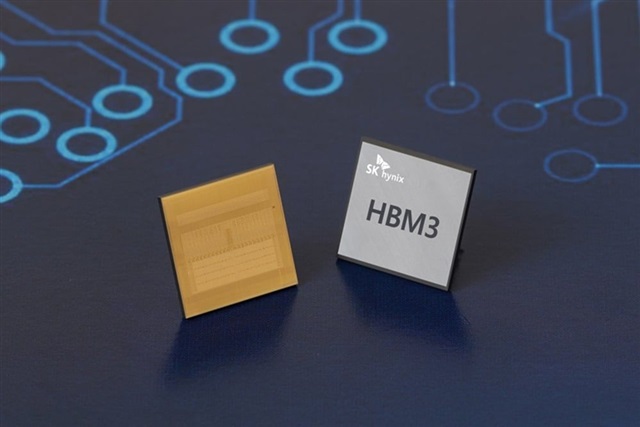
Record-breaking demand for artificial intelligence is reshaping the memory industry, and Samsung Electronics and SK Hynix are emerging as two of the biggest winners. After a strong 2025 powered by AI-led spending, both South Korean chipmakers delivered milestone financial results and used their late-January 2026 earnings updates to underline what’s coming next: an intensifying battle to supply the world’s most advanced high-bandwidth memory.
High-bandwidth memory, often shortened to HBM, has become one of the most valuable components in modern AI hardware. As companies race to build faster AI accelerators and data center GPUs, the need for more memory bandwidth and higher capacity has surged. That wave of demand is now spilling into the next generation of the technology, HBM4, where performance targets are higher, manufacturing is more complex, and supply agreements can shape revenue for years.
In an unusual moment for the industry, Samsung and SK Hynix held nearly simultaneous earnings calls on January 29, 2026. The timing highlighted just how closely investors and customers are watching the HBM market. Both companies pointed to AI as the key driver behind their standout 2025 performance, and both signaled that future growth will depend heavily on leadership in next-generation memory—especially HBM used alongside cutting-edge AI chips.
The stakes are high because HBM isn’t just another commodity memory product. It’s a specialized, premium segment that requires advanced packaging, tight quality control, and deep collaboration with major chip designers. Winning HBM4 supply slots can translate into stronger pricing power, longer-term contracts, and a strategic position inside the AI supply chain.
What’s making the race even more intense is the influence of leading AI hardware platforms on memory roadmaps. Requirements for bandwidth, power efficiency, and integration are pushing memory makers to accelerate development schedules and fine-tune manufacturing plans. As a result, Samsung and SK Hynix are not only competing on volume, but also on engineering execution—delivering consistent yields, meeting qualification standards, and scaling production fast enough to match booming demand.
For readers tracking the AI boom and its impact on semiconductors, this is a key storyline: AI growth is no longer lifting only GPU makers and cloud providers. It is also transforming the memory market, turning HBM into a centerpiece technology and setting up a high-stakes contest over HBM4 leadership. With Samsung and SK Hynix fresh off milestone results and openly emphasizing next-generation plans, the next phase of the AI hardware cycle looks set to revolve around who can deliver the most advanced high-bandwidth memory at scale.