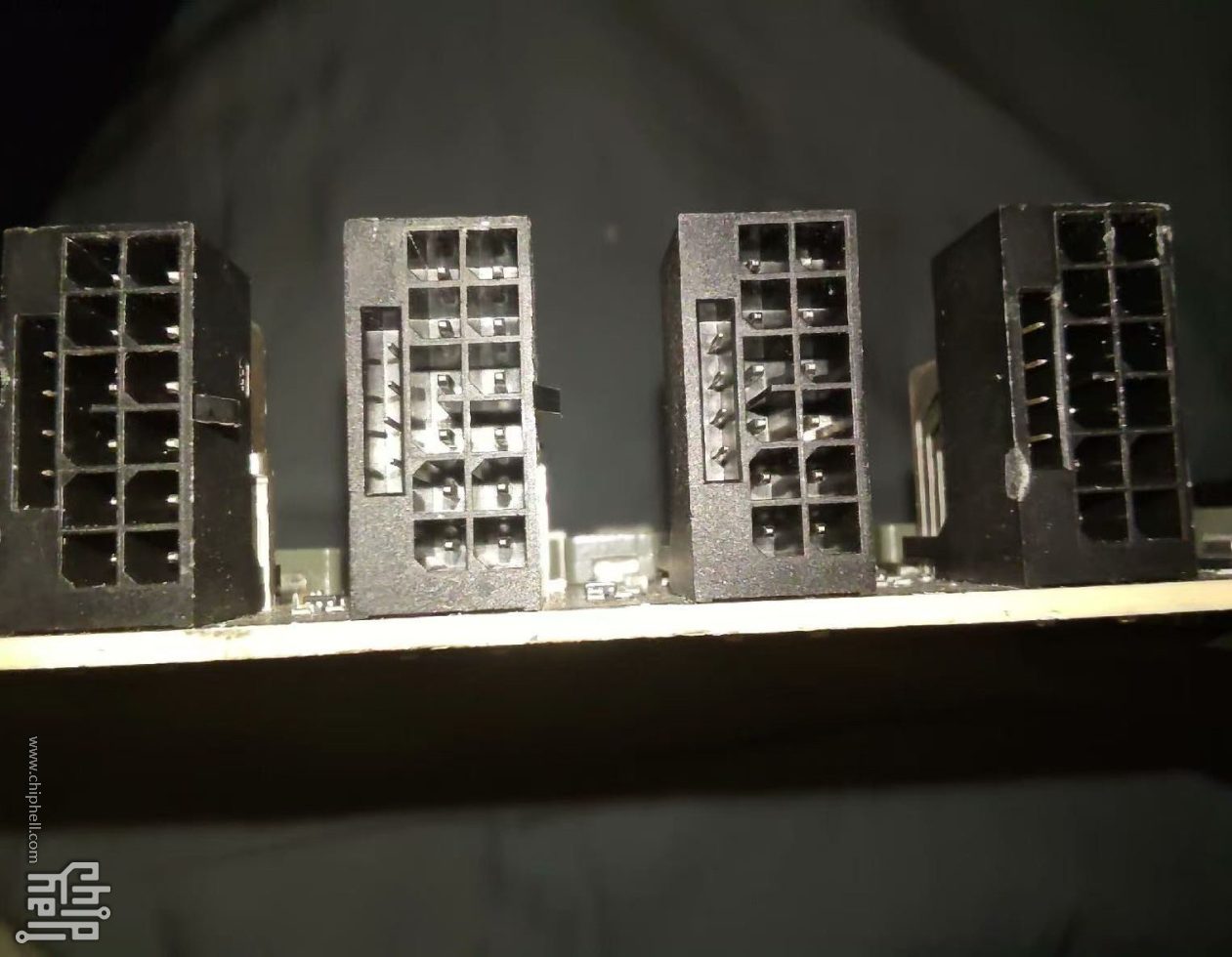
In the ever-evolving world of graphics technology, NVIDIA continues to push the boundaries of what’s possible, as demonstrated through recent glimpses into their internal efforts. An intriguing peek into NVIDIA’s prototype work reveals a daring approach to power delivery for their GPUs. Some of these experimental PCB designs feature an incredible four 16-pin power connectors, hinting at the potential raw power that was considered during the development process.
Today’s heavy hitter, the NVIDIA GeForce RTX 5090, clocks in as a power-hungry behemoth with its average thermal design power (TDP) reaching up to 575 watts, and certain models even surging to 600 watts. However, this pales in comparison to what the prototypes were capable of handling. These prototype units, which have recently been uncovered by enthusiasts on online forums, show that NVIDIA was experimenting with some truly innovative designs.
The AD102 “Ada Lovelace” prototype, most likely used in developing the RTX 4090 series, is one such prototype that stands out. It’s equipped with four 16-pin connectors alongside a robust 45-phase power delivery system. This design can theoretically handle an astounding 2400 watts of power, given that each 16-pin connector is designed to deliver up to 600 watts. It’s worth noting, however, that no consumer model with more than two 16-pin connectors has seen the light of day, primarily due to safety concerns and practical usability.
These prototypes are a testament to NVIDIA’s rigorous testing and development process. From the AD102 to older models like the GA102 “Ampere” with four 8-pin connectors, and even progenitors like the Turing “RTX 20” series, each prototype sheds light on NVIDIA’s methodical approach in creating consumer-ready products. Such thorough processes ensure each final retail version offers the best possible balance of power, performance, and efficiency.
Most intriguing, perhaps, is the sighting of a prototype featuring the flagship GB202 GPU intended for the RTX 5090, also boasting four 16-pin connectors. This suggests that NVIDIA might eventually introduce models with dual 16-pin connectors, particularly in high-performance, overclocked variants expected to appeal to the enthusiast market.
These glimpses into NVIDIA’s prototype realm highlight the intense innovation and numerous design considerations manufacturers evaluate before finalizing any product for market release. From PCB layouts to cooling solutions, every aspect undergoes rigorous scrutiny to ensure optimal performance for end users. While the prototypes serve as fascinating insights into potential directions, most remain experimental, never destined for mass production but crucial in guiding future tech advancements.