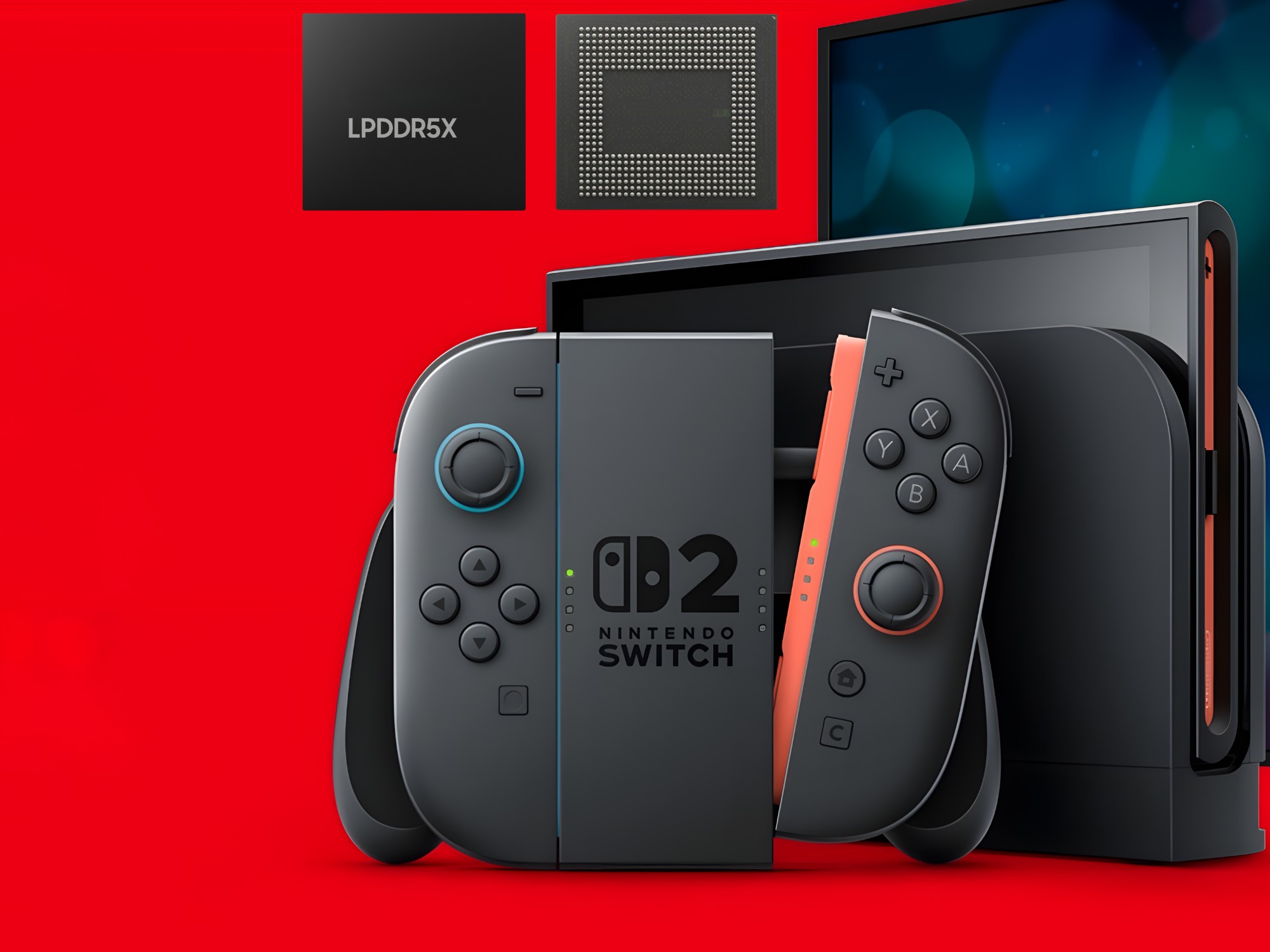
Nintendo fans worried about a Switch 2 price hike may have a little breathing room for now, even as the global memory market gets more expensive. In a recent interview, Nintendo President Shuntaro Furukawa addressed questions about rising component costs—especially memory—and offered hints about how Nintendo plans to navigate a shortage that’s being fueled heavily by booming demand from AI data centers.
Memory prices have been climbing at a pace that’s already pushing up the cost of gaming PCs, and many buyers are wondering if game consoles are next. When asked directly about the possibility of a Nintendo Switch 2 price increase tied to higher memory costs, Furukawa didn’t confirm any changes. Instead, he avoided committing to what he described as “hypotheticals,” leaving the door open without making any promises.
What stood out most, however, was Nintendo’s confidence that it won’t feel immediate pressure from cost increases. Furukawa explained that securing parts well in advance is part of the company’s medium- to long-term business planning. In other words, Nintendo prepares by stockpiling key components for its gaming hardware, helping it ride out short-term fluctuations without taking an instant hit to profitability.
That strategy matters because Switch 2 relies on modern mobile memory such as LPDDR5X, and pricing for that kind of component has become more volatile. Nintendo may be protected for the moment by having inventory already secured or by benefiting from longer-term purchasing arrangements—although suppliers across the industry have been increasingly reluctant to offer fixed pricing as shortages intensify. If the memory crunch drags on for years, as some forecasts suggest, even well-prepared companies could eventually face tougher decisions.
While memory costs are a major concern, they aren’t the only factor that could influence the Switch 2’s retail price. Furukawa also acknowledged that tariffs have already complicated Nintendo’s financial outlook. The Switch 2 reportedly launched at its expected price point, but other products in Nintendo’s lineup—including the original Switch and certain accessories—have been more affected by added fees. That combination of higher costs and policy-related expenses increases the risk that consumers could eventually be asked to pay more.
At the same time, Furukawa emphasized a competing priority: Nintendo wants as many players as possible to adopt its newest hardware. That’s an important point, because raising the price of a new console can slow upgrades—especially for people who already own a Switch and are weighing whether the jump to Switch 2 feels worth it.
The interview didn’t address recent sales performance in detail, including reports that Switch 2 retail momentum in various regions hasn’t consistently matched the pace set by the original Switch in 2017. Availability has also been uneven, with some areas seeing plenty of stock while demand in Japan remains intense. Even so, the key takeaway for buyers watching their budgets is that Nintendo says it’s not under immediate pressure from rising memory prices.
For now, a Switch 2 price increase doesn’t appear to be a sure thing. Nintendo is signaling that it has plans in place to buffer near-term component shocks, but between a prolonged memory shortage and tariffs, the longer-term pricing picture could still change.