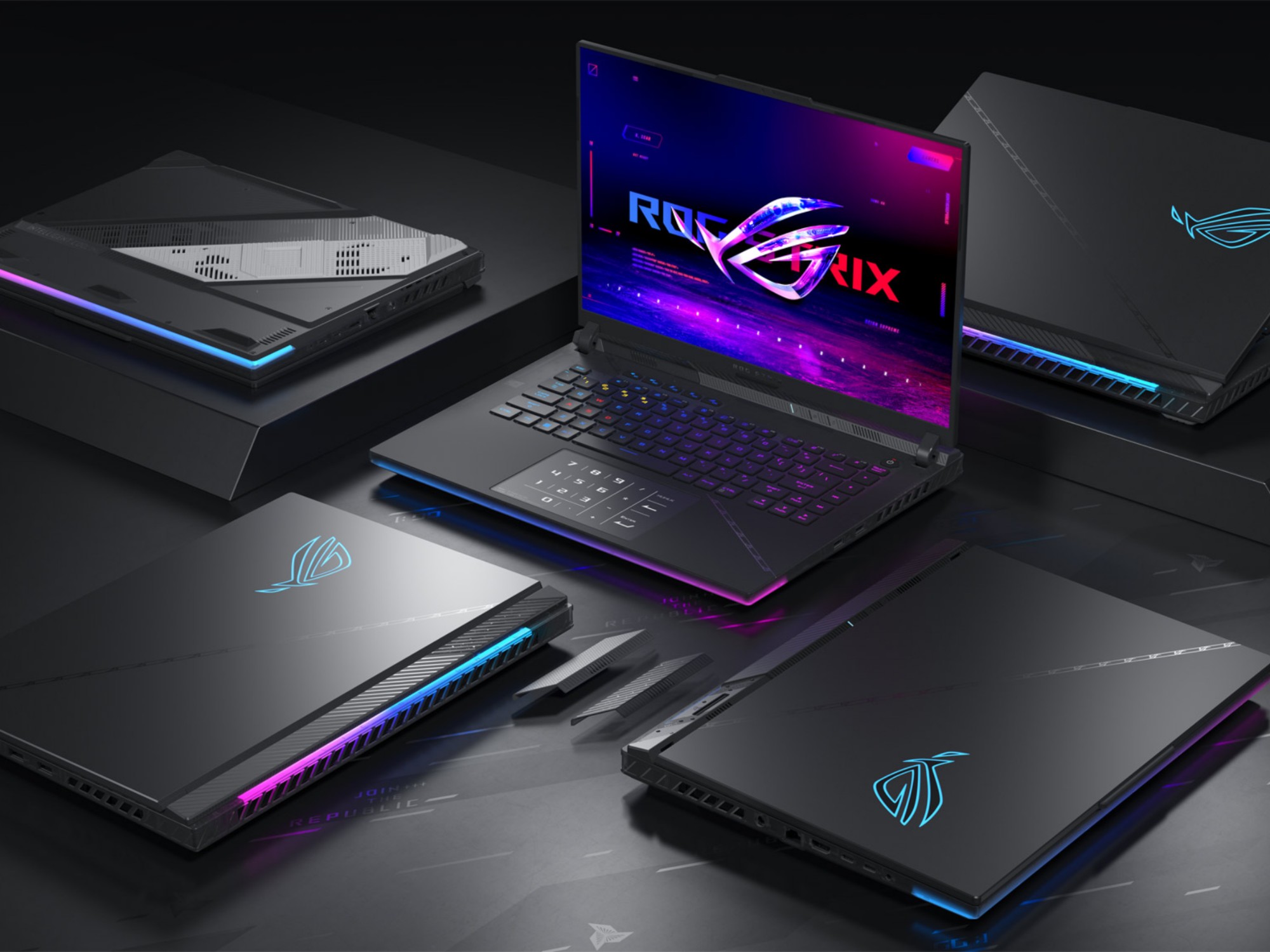
Record-high memory prices have been making headlines, but if you’ve been shopping for a new laptop, smartphone, or game console lately, you may have noticed something surprising: many prices haven’t jumped yet. According to an Asus representative, that “calm” doesn’t mean the memory crunch isn’t real—it just means the impact takes time to reach store shelves.
In a recent interview, Asus’ Director of Technical Marketing, Sascha Krohn, explained that price increases don’t hit consumers immediately because the hardware supply chain moves slowly. Even when DRAM and other memory components spike in cost, it can take months for that shock to work its way from component suppliers to device makers and finally to the listings you see at major retailers. That delay creates a window where buyers may still find laptops and other devices priced similarly to what they cost earlier.
Why haven’t laptop prices surged already? Krohn points to preparation. Large hardware manufacturers often lock in component supplies well ahead of time, buffering themselves from sudden market swings. Those pre-secured inventories can temporarily protect product pricing, even while memory costs climb behind the scenes. But that protection isn’t endless. Once those reserves run down, many companies will have little choice but to raise prices to cover the higher cost of parts.
Instead of one dramatic leap, consumers may see a more gradual shift—small increases spread out across months as inventories cycle and new production runs reflect updated component pricing. That’s especially important for gaming laptops and performance-focused notebooks, which often rely on higher-capacity DDR5 RAM configurations that become more expensive when supply tightens.
Looking further ahead, Krohn suggested the shortage could start easing by 2027. That’s a relatively optimistic outlook compared with some memory-industry signals, and it hinges on the idea that factories aren’t running at full capacity. If manufacturers ramp up output, more supply could eventually reduce pricing pressure—not just for AI infrastructure and data centers, but also for everyday consumer devices.
Still, even if memory prices cool down later, buyers shouldn’t assume device prices will automatically return to old levels. Krohn warned that once higher laptop prices become the “new normal,” some manufacturers may be slow to roll prices back, even when component costs improve. For gamers, students, and professionals planning upgrades, that could mean budgets remain tight even beyond the point where the supply crunch starts to relax.
Another key takeaway is that not every brand is positioned the same way. Big companies with strong purchasing power and long-term supply planning may be able to delay price hikes and absorb some cost increases. Smaller manufacturers, on the other hand, may be forced to act sooner because they can’t afford to take losses for long. One example mentioned was Framework, which has already raised notebook prices in response to the rising cost of memory components.
Game consoles could also see uneven effects depending on how much memory stock is already secured. Some companies may face higher costs earlier if they lack long-term purchasing agreements with major memory suppliers, while others could be insulated for longer if they built up large inventories in advance. The result could be a staggered pattern where one console’s price changes months before another’s—even if they’re hit by the same underlying memory market conditions.
For shoppers, the practical message is clear: the biggest price impact from the memory shortage may still be on the way, just delayed by supply-chain timing and pre-purchased inventory. If you’re planning to buy a laptop, phone, or console in the near future, this may be one of those moments where waiting doesn’t necessarily mean saving—especially as memory costs continue to ripple through 2026 and beyond.