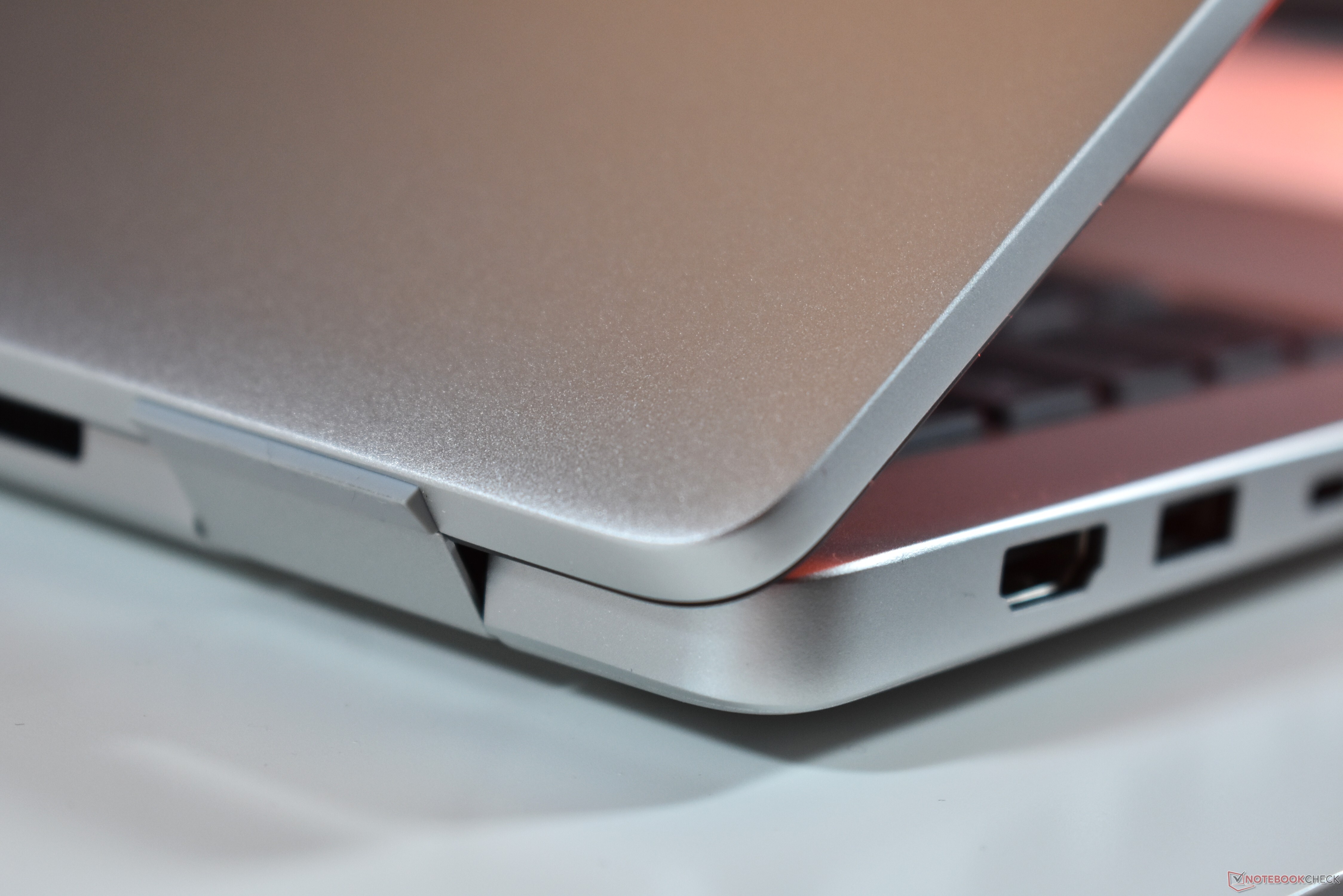
Dell has long been known as the most Intel-focused of the three major PC makers. While HP and Lenovo steadily expanded their business laptop portfolios with AMD Ryzen options, Dell largely stuck with Intel Core chips in its corporate lineup for years. That’s now changing in a meaningful way—and it’s a notable win for AMD in one of the most important parts of the PC market.
In the global PC landscape, Dell, HP, and Lenovo are the clear heavyweights. Together, they accounted for roughly 59.5% of the market in 2024, based on IDC figures—nearly two-thirds of all PC shipments. Their influence is even stronger in commercial sales, where companies buy laptops in bulk to equip employees. In that space, buying decisions often favor reliability, long-term supply, and established vendor relationships, which historically gave Intel a major advantage.
For years, that played out in Dell’s business laptop strategy. The company’s commercial Dell Latitude line was overwhelmingly Intel-only, making Dell the outlier as its two biggest rivals began offering more choice. Lenovo brought AMD Ryzen processors into ThinkPads, and HP added Ryzen configurations to EliteBooks. Dell, however, stayed firmly in “Team Blue,” with only a rare exception—like the Dell Latitude 5495 back in 2018—before returning to an Intel-dominant approach. Interestingly, Dell even experimented with Qualcomm-powered Latitude models in more recent years, while AMD remained largely absent from the modern Latitude lineup.
That’s why Dell’s 2025 shift matters.
Dell has reworked its business branding, retiring the Latitude name and replacing it with a simplified “Dell Pro” lineup. Alongside that branding overhaul came a second, more impactful change: AMD processor options are finally part of the plan.
Not every model gets the same treatment. Dell’s top-tier Dell Pro Premium systems remain Intel-exclusive, keeping that high-end segment locked to Intel. But the bigger story is where Dell did add AMD—inside the Dell Pro Plus series, which sits in the mid-range and is far more likely to be bought in volume.
This is where real commercial momentum happens. Premium-tier business laptops may grab attention, but mid-range corporate models are often the ones companies purchase by the hundreds or thousands. They strike the balance procurement teams want: modern performance, manageable pricing, and features that meet business needs without stretching budgets. Because they’re more affordable and less “exclusive,” these are the laptops employees actually end up using day to day.
That’s exactly why the Dell Pro 14 Plus stands out. It may not be the flashiest device in the lineup, but it represents something AMD has been pushing for years: deeper penetration into mainstream business laptops from the most Intel-loyal major PC manufacturer. A mid-range corporate laptop with AMD inside isn’t just a spec sheet update—it’s a doorway to widespread deployment in workplaces where Dell has historically been an Intel stronghold.
In other words, the Dell Pro 14 Plus isn’t simply another AMD-powered laptop. It signals a strategic shift in Dell’s commercial offerings, and it puts AMD in a position to compete where the biggest sales volumes—and the most repeat business—are.


