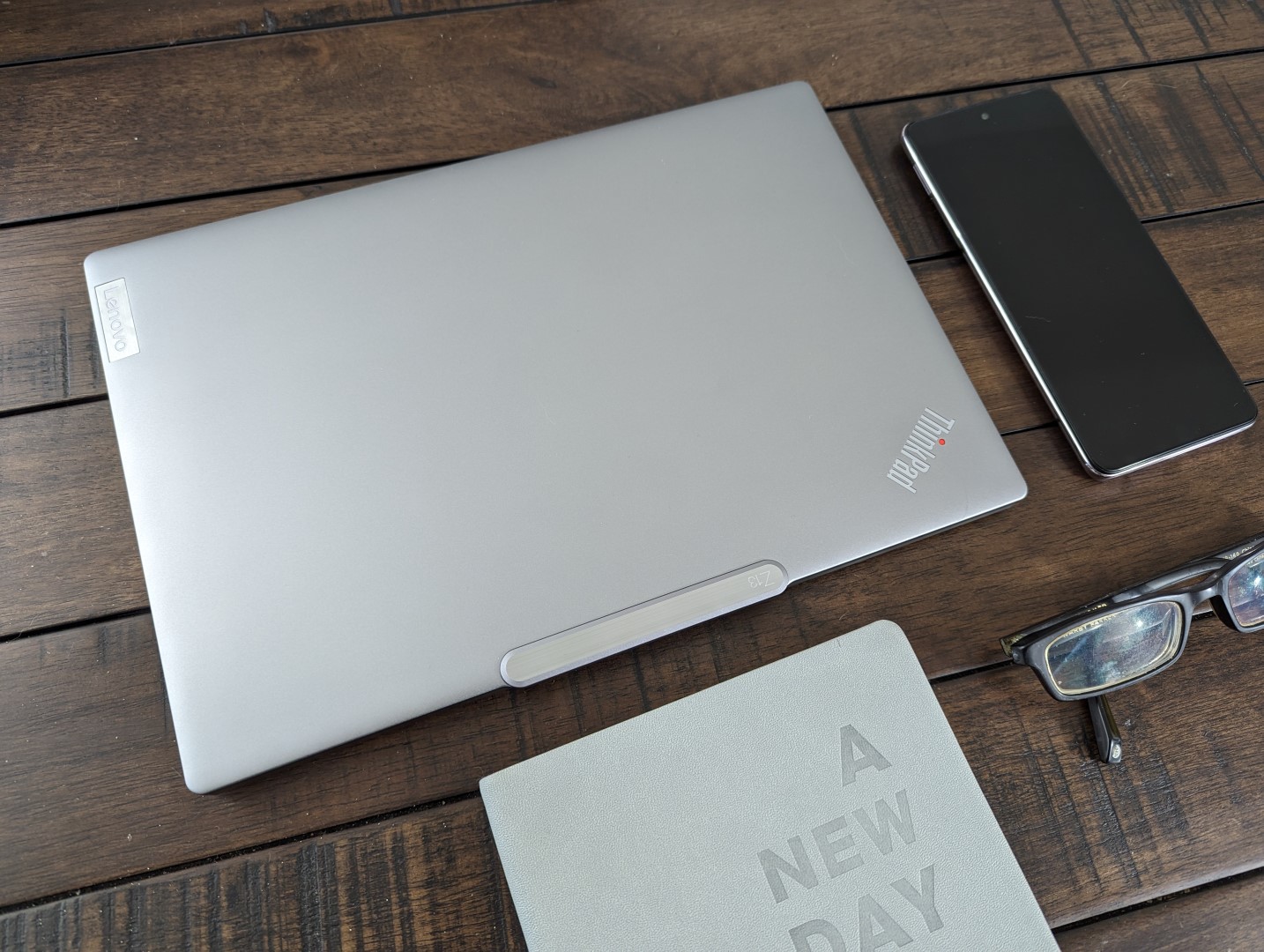
As the tech world continues to evolve, Lenovo throws its hat into the ring of high-performance laptops with its latest offering: the ThinkPad Z13 Gen 2. This laptop, powered by an AMD Ryzen 7 PRO 7840U with AMD Radeon 780M graphics, positions itself as a solid competitor to the well-regarded Dell XPS 13.
Performance benchmarks have placed the ThinkPad Z13 Gen 2 in a favorable light, especially when it comes to FPS metrics across various tests. Compared to the HP Dragonfly G4 with an Intel Core i7-1365U equipped with Intel Iris Xe Graphics, the ThinkPad boasts 47% to 57% higher FPS, showcasing its superior graphical capabilities and affirming its standing within its category.
With the integrated AMD Radeon 780M, the ThinkPad Z13 Gen 2 carves out a niche for itself in a competitive market filled with options like the Lenovo Yoga 6 13 and Lenovo ThinkPad L13 Yoga G4. These comparisons further underscore the appeal of the ThinkPad Z13 Gen 2 to users who demand high performance from their devices.
The ThinkPad Z13 Gen 2’s points of comparison with other formidable models in Lenovo’s lineup and beyond extend to various other configurations, highlighting its diverse performance abilities. Its stellar FPS results are indicative of the seamless experience users can expect, whether involving graphics-intensive tasks or general usage.
The framework of the laptop does not disappoint either, given the Lenovo brand’s track record of robust build quality and reliability that has been consistent with the ThinkPad line. The incorporation of cutting-edge AMD hardware reflects Lenovo’s adaptation to market trends and user needs.
Its compatibility with other Ryzen 7 7840U and Radeon 780M devices also reflects its versatility and highlights the gains in graphical performance, putting it ahead of competitors with Intel Core i7 variants and Intel Iris Xe Graphics in most cases.
The ThinkPad Z13 Gen 2’s positioning as a strong contender offers users an alternative that balances performance, reliability, and design finesse. With FPS metrics used as a key indicator, the laptop demonstrates its prowess, rivaling industry favorites such as the Dell XPS 13 and the HP Dragonfly G4.
Aimed at professionals who require a formidable workhorse for their day-to-day tasks, the Lenovo ThinkPad Z13 Gen 2 is a testament to Lenovo’s commitment to offering premium laptops that are on par with, if not exceeding, market expectations in performance and quality.
With its robust structure and commendable power, the ThinkPad Z13 Gen 2 stands tall as Lenovo answers the demands of the discerning and power-hungry user base, intent on owning a machine that can keep up with the pace of modern computing needs.In the realm of laptop graphics performance, Intel Iris Xe Graphics G7 and AMD Radeon 780M are notable contenders that have been measured and compared across various laptop models.
Laptops with the Intel Core i7-1260P processor and Intel Iris Xe Graphics G7 96EUs, like the Lenovo Yoga Slim 7 Carbon 13IAP7-82U9005FGE and the Dell Latitude 9330, have shown a range of frame rates in fps (frames per second) benchmarks. The Lenovo Yoga Slim 7, for instance, performed at 78.5 fps while the Dell Latitude 9330 had a lower fps of 76.2.
Comparatively, laptops equipped with AMD processors and graphics, such as the Lenovo ThinkPad Z13 Gen 2 with the AMD Ryzen 7 PRO 7840U and AMD Radeon 780M, also showcase their capabilities in fps. The ThinkPad Z13 Gen 2 can reach up to 50.5 fps, which is competitive with its Intel counterparts.
Lower-end models like the Lenovo ThinkBook Plus Gen2 with the Intel Core i5-1130G7 and Intel Iris Xe Graphics G7 80EUs fall behind in performance, delivering around 62.6 fps, indicating a clear distinction in performance levels between different processor and GPU combinations.
In the case of AMD Radeon RX Vega 8, found in the Lenovo Yoga 6 13 with the AMD Ryzen 7 7730U, fps benchmarks also vary. For example, it shows an fps of 34.7 while running certain benchmarks, suggesting that the Intel Iris Xe Graphics G7 tends to outperform the Vega 8 in this particular matchup.
The Framework Laptop 13.5 with the AMD Ryzen 7 7840U and AMD Radeon 780M represents another key data point in the performance spectrum, illustrating the capabilities of AMD’s integrated graphics solutions in laptops.
The performance of each laptop model differs based on various factors, including hardware configurations, cooling solutions, and power management.
Consumers and professionals considering a laptop purchase can use these fps benchmarks to gauge the potential gaming or graphics performance they can expect from their desired device.
For a balanced assessment, it is important to consider other specs and features of the laptops as well, such as battery life, display quality, build, and portability, alongside raw graphics performance figures.
More exhaustive testing and comparisons between different models can provide a clearer picture of which laptop might best suit one’s work or gaming needs, ensuring a more informed purchasing decision.When it comes to selecting a laptop, performance is a key consideration. Powerful processors and graphics units are essential for handling demanding applications and workflows. A range of laptops featuring powerful Intel Core processors and impressive Intel Iris Xe or AMD Radeon graphics are available, each catering to different performance needs and user preferences.
For those looking for optimal performance with Intel’s technology, numerous options are available, such as the Dell Latitude 9330, which comes with an Intel Core i7-1260U processor and Intel Iris Xe Graphics with 96 Execution Units (EUs). Another compelling choice is the HP Dragonfly G4, featuring the Intel Core i7-1365U CPU and also equipped with Iris Xe Graphics G7 (96EUs).
Lenovo offers robust alternatives, with models such as the ThinkPad L13 Yoga G4, powered by an Intel Core i7-1355U and the same level of Intel Iris Xe Graphics, guaranteeing smooth performance for professional tasks. The ThinkPad X1 Nano Gen 3 pushes the envelope further, sporting an Intel Core i7-1360P processor combined with Intel’s high-performing integrated graphics.
Users who prefer AMD’s offerings can look to models like the Lenovo ThinkPad Z13 Gen 2, which features an AMD Ryzen 7 PRO 7840U CPU and AMD Radeon 780M graphics. The Framework Laptop 13.5 comes with the same AMD processor and GPU, presenting a strong case for those invested in AMD’s ecosystem.
Entry-mid-range options also exist, such as the Dell Latitude 13 7340 with an Intel Core i5-1345U and Intel Iris Xe Graphics G7 with 80EUs, designed to provide a balanced work experience. Similarly, the HP EliteBook x360 830 G10 with an Intel Core i5-1335U and Intel Iris Xe Graphics G7 (80EUs) is well-suited for multitasking and everyday office work.
For more budget-conscious users who still seek solid performance, there’s the Lenovo Yoga 6 13, housing an AMD Ryzen 7 7730U and AMD Radeon RX Vega 8 graphics, which can handle a variety of tasks without breaking the bank.
Gaming performance can be gauged through fps (frames per second) benchmarks; the higher the fps, the smoother the gaming experience. In this scenario, average fps from AMD Radeon 780M models can range significantly, reflecting performance versatility among different laptop configurations.
Regardless of whether you tend toward Intel or AMD, there’s a broad variety of high-performance laptops to choose from, each designed to cater to varying preferences and requirements. Whether it’s for intensive computing tasks, creative applications, or light gaming, there is a laptop configuration available to meet and exceed user expectations.In the latest roundup of innovative laptops, a range of models featuring advanced processors and graphics units are making headlines for their performance capabilities. The Lenovo ThinkPad L13 Yoga G4 stands out with its Intel Core i7-1355U processor and Intel Iris Xe Graphics G7 with 96 Execution Units (EUs), promising a blend of power and efficiency for professionals on the go.
Dell is not far behind with its Latitude 13 7340, which integrates an Intel Core i5-1345U and Intel Iris Xe Graphics G7 with 80 EUs. This combination aims to deliver reliable performance for everyday tasks.
For those preferring AMD processors, the Lenovo ThinkPad Z13 and ThinkPad Z13 Gen 2 both offer robust options. The former comes equipped with the AMD Ryzen 5 PRO 6650U and AMD Radeon 660M graphics, while the latter boasts an AMD Ryzen 7 PRO 7840U paired with an AMD Radeon 780M.
The Lenovo ThinkBook Plus Gen2 introduces a compelling Intel Core i5-1130G7 coupled with Intel Iris Xe Graphics G7 with 80 EUs, balancing performance with portability.
Tech enthusiasts might also appreciate the Framework Laptop 13.5 with an AMD Ryzen 7 7840U and AMD Radeon 780M, indicating a trend towards high performance in customizable and repair-friendly laptops.
On the ultra-lightweight end, the Lenovo Yoga Slim 7 Carbon features an Intel Core i7-1260P and Intel Iris Xe Graphics G7 with 96 EUs, offering an attractive option for users seeking a blend of portability and power.
The new HP Dragonfly G4, with an Intel Core i7-1365U and the Intel Iris Xe Graphics G7 with 96 EUs, reaffirms HP’s commitment to premium business-class laptops, whereas the Lenovo Yoga 6 embraces the AMD Ryzen 7 7730U and AMD Radeon RX Vega 8 for those favoring AMD’s integrated graphics.
HP also presents the EliteBook x360 830 G10 with an Intel Core i5-1335U and Intel Iris Xe Graphics G7 with 80 EUs, built to cater to the productivity needs of business users.
Lastly, the Lenovo ThinkPad X1 Nano Gen 3 cannot be overlooked, as it comes with an Intel Core i7-1360P and Intel Iris Xe Graphics G7 with 96 EUs, ensuring that it holds its own in the fiercely competitive ultraportable segment.
Overall, this selection of laptops showcases the ongoing commitment of manufacturers to optimize performance, graphics capability, and mobility, ensuring a wide range of options for consumers with varying needs and preferences.