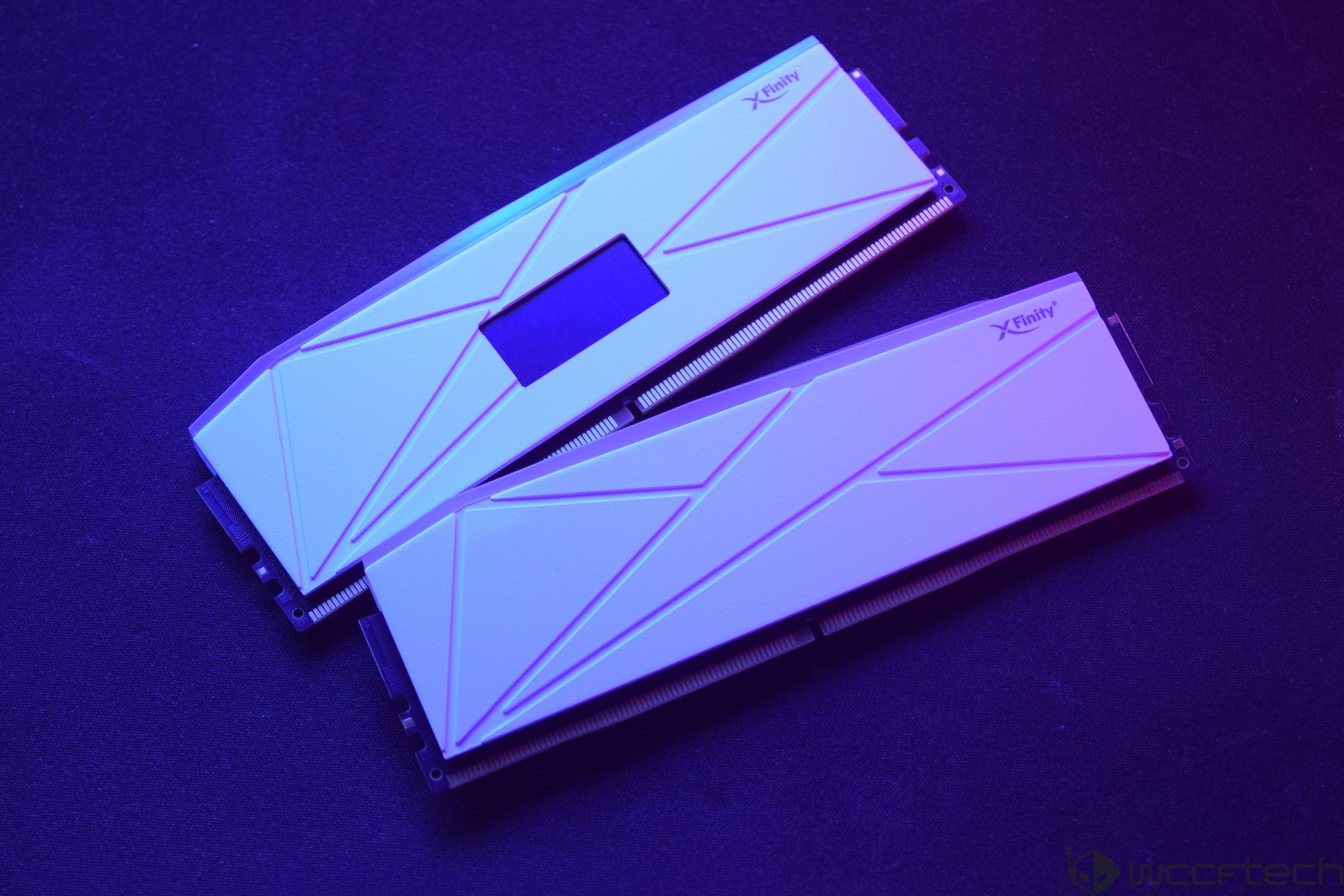
DDR5 RAM is getting dramatically more expensive, and the latest pricing out of South Korea is a flashing warning sign for PC builders everywhere. What used to be a routine upgrade is starting to look like a luxury purchase, with single memory modules and entry-level kits climbing to levels few consumers would have imagined just months ago.
A big driver behind the surge is demand from the AI boom. As more capacity is pulled into servers and AI-focused deployments, the squeeze is spilling over into the consumer market. Even companies involved in validating and packaging memory for large clients are signaling price increases after a wave of new orders. The result is simple: everyday buyers are paying the price for a supply chain that’s prioritizing higher-margin, higher-volume AI needs.
South Korea has been one of the earliest indicators of where memory pricing is heading globally. When the current run-up began, that market saw increases sooner than many other regions, and it continues to show fresh jumps that suggest the upward trend is far from over.
Recent retailer listings in South Korea paint a stark picture. A single 16GB DDR5-5600 (CL46) module is being listed around 400,000 KRW, roughly translating to about $270–$300 USD. Step up to 32GB DDR5-5600 (CL46), and prices land around 680,000–780,000 KRW, or approximately $450–$500 USD, depending on the listing.
Even “entry-level” DDR5 kits that support popular overclocking profiles like Intel XMP and AMD EXPO are approaching uncomfortable territory. Current pricing in that segment ranges around 730,000 to 926,000 KRW, which works out to roughly $500–$650 USD. What’s especially frustrating for buyers is that these aren’t extreme, enthusiast-tier kits—yet they’re nearing prices that recently belonged to much faster, higher-capacity modules.
In the United States, pricing hasn’t hit the same extremes yet, but it’s moving in the same direction. Many 16GB DDR5 modules are still commonly seen around $165–$175, while 32GB modules often sit in the $300–$400 range. However, the pattern playing out in Asian markets suggests the U.S. may not stay insulated for long.
Recent retail snapshots also show how fast DDR5 pricing can shift in a short window. Across a range of capacities—32GB, 48GB, 64GB, and beyond—many listings have jumped by roughly 20% to over 40% in about a month, with some high-capacity kits showing even sharper spikes depending on configuration and speed. Looking at the broader direction of these changes, an average increase around 30% in a single month is becoming a realistic expectation rather than a worst-case scenario.
And the pressure isn’t limited to mainstream consumer kits. Higher-end workstation and server memory such as ECC RDIMM and OC RDIMM can cost dramatically more, with some configurations landing in the multi-thousand-dollar range. In fact, the situation has become so extreme in parts of Asia that DDR5 kits have reportedly been treated as high-value goods in unusual ways—underscoring just how distorted the market has become.
What’s worrying for PC builders is that prices don’t appear to be stabilizing. Industry chatter points to continued “incremental” price steps ahead, not a sudden drop back to normal. If that holds true, RAM could soon become one of the most expensive parts of a PC upgrade, especially as broader component supply constraints continue to affect the market.
For anyone planning a new build or memory upgrade, DDR5 pricing trends are quickly becoming something to watch week by week, not month by month—because the next increase may already be on the way.