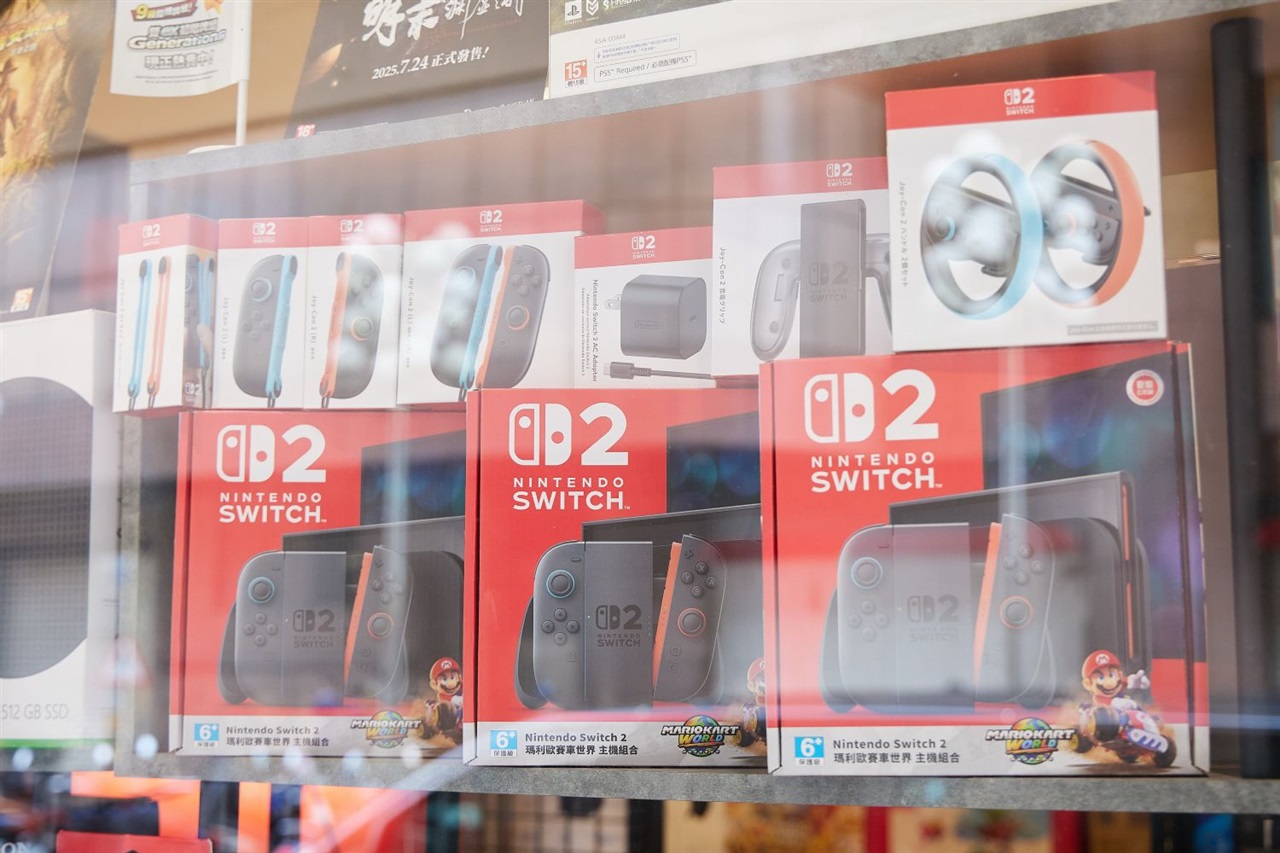
Nintendo’s Switch 2 has burst onto the scene with the kind of momentum that reshapes an entire industry. Launched globally on June 5, 2025, the next-generation console is already the fastest-selling system in the company’s history, moving an astonishing 3.5 million units in just four days. Early sales even surpassed the PlayStation 4’s first-week performance in the United States, underscoring how strong demand is for Nintendo’s new hardware.
A big part of the appeal is power and polish. The Switch 2’s upgraded performance opens the door to higher-resolution games and smoother experiences, addressing one of the biggest asks from the fan base. At the same time, Nintendo has doubled down on online services to strengthen recurring revenue. By enhancing its digital ecosystem and subscriptions, the company is creating more reasons for players to stay engaged long after the initial purchase.
That overwhelming demand has come with growing pains. Supply couldn’t keep pace at launch, leading to restock struggles and scalping activity even before the console officially hit shelves. In a rare move, Nintendo coordinated with auction platforms to remove unauthorized listings, signaling just how aggressive the company is about protecting consumers and preserving fair access to the hardware.
The Switch 2 launch is also unfolding against a shifting competitive backdrop. Microsoft has teamed up with Asustek to introduce the ROG Xbox Ally, a handheld that plants the Xbox brand squarely in the portable gaming space. It’s a clear sign that the industry views mobile, hybrid, and on-the-go play as a major growth frontier. Meanwhile, Sony’s Japan arm continues to invest in cloud gaming but maintains that it’s not yet time to pivot fully to a cloud-first future. That measured approach suggests traditional consoles and hybrid devices will remain central to the market for the foreseeable future.
Key takeaways for players and the industry:
– Switch 2 is setting sales records, with 3.5 million units sold in four days.
– Performance upgrades enable higher-resolution titles and improved gameplay fidelity.
– Stronger online services point to a long-term strategy built on subscriptions and digital purchases.
– Launch supply constraints fueled scalping, but Nintendo acted to curb unauthorized resales.
– Competition is heating up as Microsoft enters handheld territory and Sony balances cloud ambitions with hardware reality.
What this means going forward is straightforward: portable and hybrid gaming is entering a new phase of maturity. If Nintendo can stabilize supply and keep a compelling slate of first- and third-party releases flowing, the Switch 2 is poised to dominate 2025’s gaming conversation. At the same time, Microsoft’s handheld push and Sony’s cautious cloud roadmap ensure this generation won’t be a one-note story. For consumers, the result is more choice, better performance on the go, and a wave of innovation across hardware, software, and services.
Search-friendly highlights:
– Nintendo Switch 2 sales record and launch demand
– Switch 2 performance upgrades and high-resolution gaming
– Supply shortages, scalper crackdowns, and restock outlook
– Microsoft and Asustek’s ROG Xbox Ally handheld competition
– Sony’s cloud gaming strategy and the future of hybrid consoles
Whether you’re waiting on a restock or already enjoying the new hardware, one thing is clear: the Switch 2 has reignited the console race and set a high bar for portable gaming in 2025.