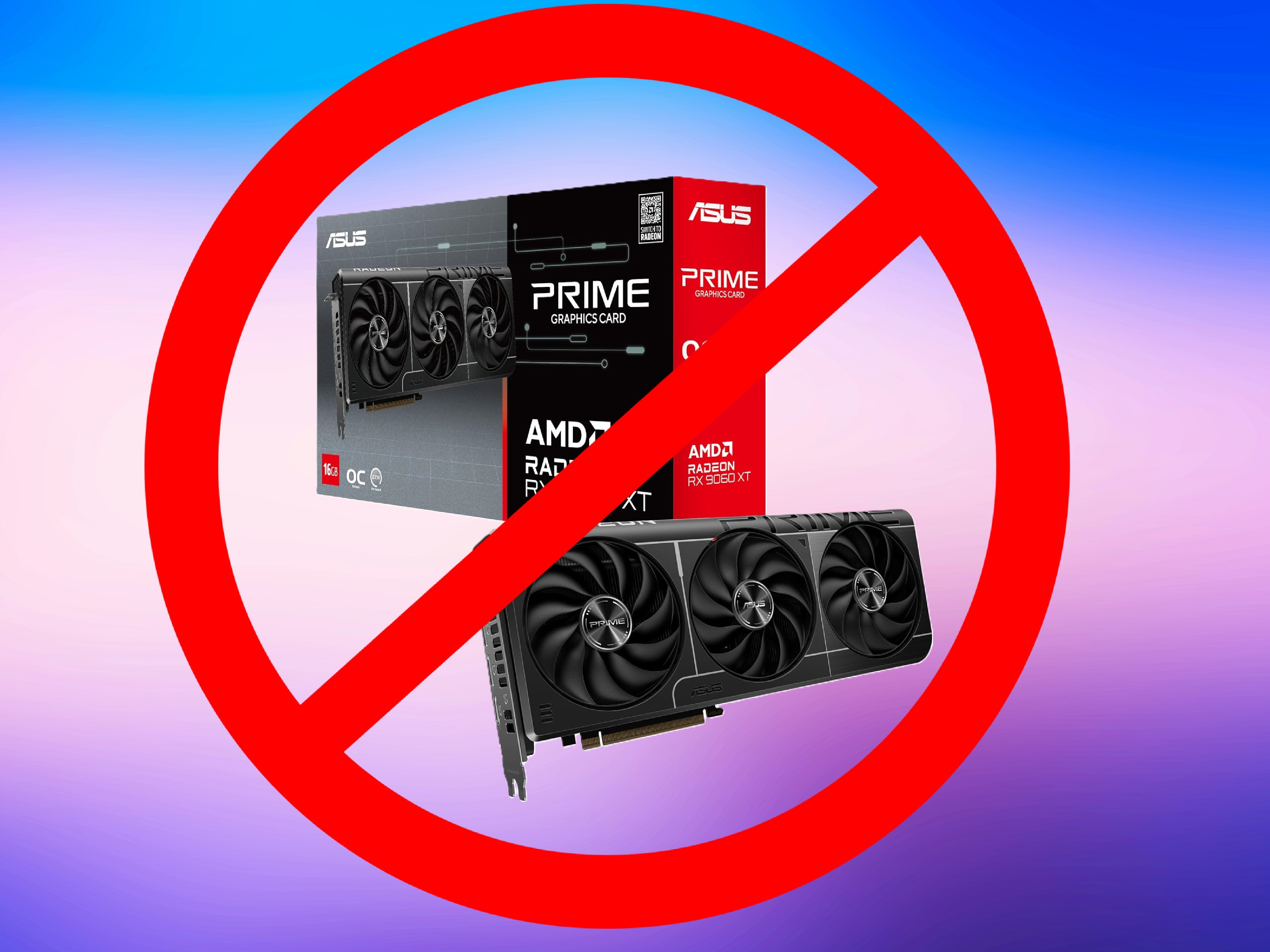
AI’s rapid rise is turning into bad news for gamers’ wallets. As demand from datacenters and AI companies surges, the cost of memory has climbed sharply, with consumer DDR4 and DDR5 prices roughly doubling from their recent lows. That pressure is spilling over to graphics cards, where the price of GDDR VRAM is becoming a major factor—and it could reshape the entire budget GPU market.
A recent report suggests both AMD and Nvidia may scale back or even discontinue mid-to-low-end graphics cards if VRAM costs eat too much of the bill of materials. In plain terms, value-focused models like the RX 9060 XT, RTX 5060, and RTX 5060 Ti are at risk if manufacturers can’t source memory at prices that make these cards viable.
The warning signs are already here. Industry chatter indicates AMD is preparing to raise prices across the RX 9000 lineup due to rising memory costs. Nvidia is expected to follow with higher prices for the RTX 50 series. For premium and upper mid-range buyers spending $500 to $700 or more, a higher VRAM bill can sometimes be absorbed. But in the entry-level space, even a 10% to 20% increase on a $300 graphics card can push it out of reach for budget-conscious gamers.
There’s also talk that major OEMs could reduce memory configurations on upcoming models. Add-in board partners may streamline their catalogs and focus on GPUs where inflated VRAM prices are easier to justify. The result could be fewer affordable options on store shelves—an unwelcome echo of the pandemic era, when finding a reasonably priced gaming GPU became a challenge.
What this means for PC gamers is simple: the budget and mid-range segments may thin out, prices could continue to rise, and the best-value sweet spots might be harder to find. If you’re planning a build or an upgrade, keep an eye on stock, watch for deals on current-gen and last-gen cards, and consider acting sooner rather than later if you spot a fair price.