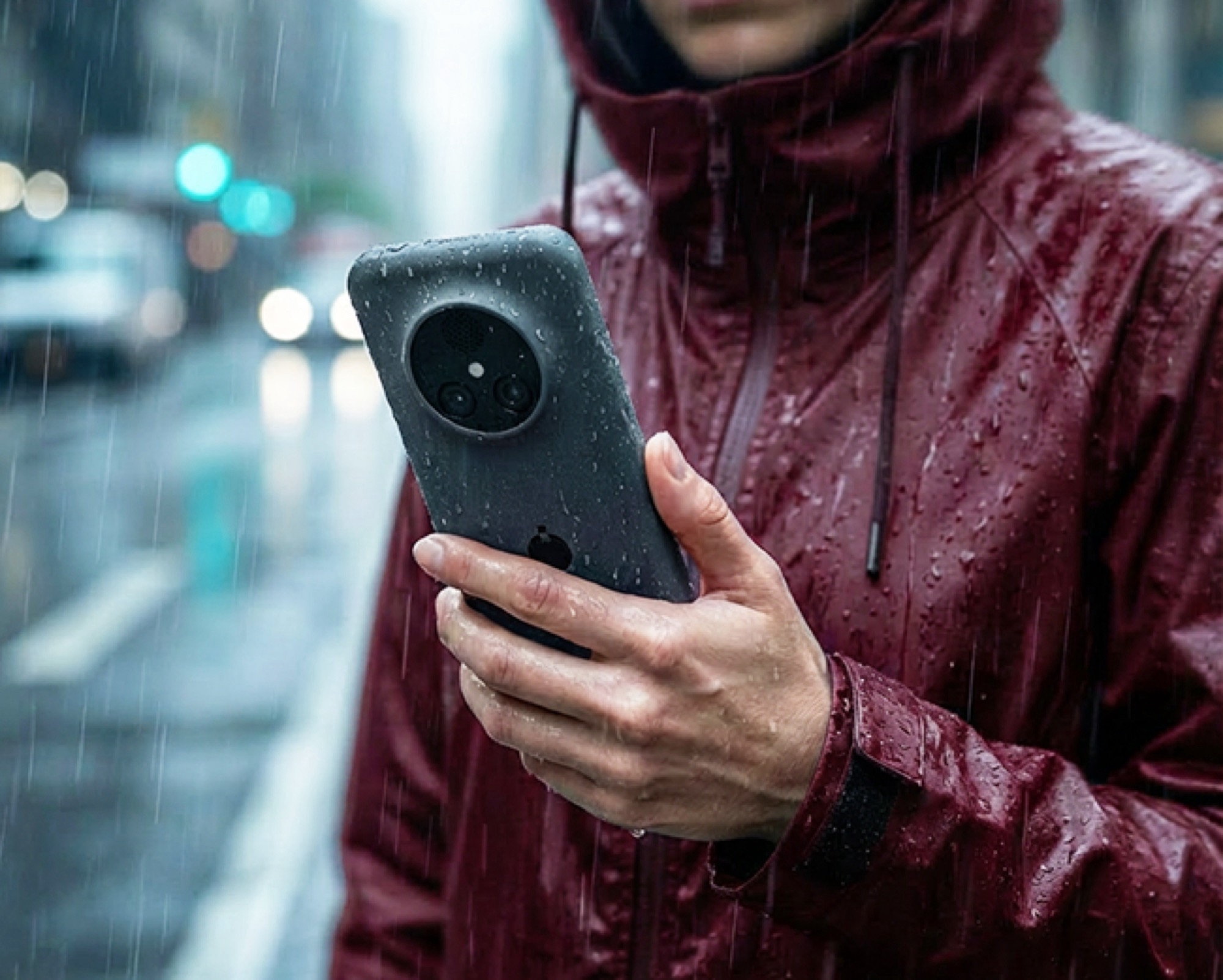
The NexPhone is taking an unusual approach to the modern smartphone by doubling as a pocket-friendly PC. Built around a chipset derived from the Snapdragon 778G, it uses four ARM Cortex-A78 performance cores and four Cortex-A55 efficiency cores. In real-world terms, that points to solid, mid-range speed best suited for everyday computing rather than heavy workloads. If your typical routine revolves around browsing, office documents, email, streaming, and light multitasking, the NexPhone is designed to fit that kind of use.
One of the biggest conversation starters is its software flexibility. Beyond running Windows 11 for a familiar desktop-like experience, the NexPhone can also run Debian as an alternative. That makes it especially appealing to users who want more control, a Linux environment, or simply a different way to use their device for productivity. It’s positioned less as a powerhouse replacement for a full-size PC and more as an all-in-one solution for casual PC users who want portability and convenience.
Hardware-wise, the NexPhone lands in affordable mid-range smartphone territory, with upgrades in the areas that matter most to daily usability. It features a 6.58-inch IPS display with a 2403 x 1080 resolution and a smooth 120Hz refresh rate, which should make scrolling, animations, and general navigation feel more responsive. You also get 12GB of RAM and 256GB of internal storage, plus microSD expansion for anyone who needs extra space for files, media, or apps.
The design is where the NexPhone really separates itself. The chassis is heavily rounded, and the camera module comes in a circular bump that also includes a built-in speaker, giving the device a distinctive look that stands out from typical slab-style phones. It’s not a slim handset, though. At around 0.52 inches thick and 9.03 ounces, it’s noticeably thick and heavy compared to many modern smartphones. The tradeoff is durability-focused features, including water resistance, and a larger battery to support longer use.
Powering it all is a 5,000mAh battery with wireless charging support, aimed at making the device more practical for both phone and PC-style tasks throughout the day. On the camera side, the NexPhone includes a 10MP front-facing camera for selfies and video calls, alongside a 64MP main camera and a 13MP ultra wide-angle camera for more flexible shooting.
Overall, the NexPhone targets users who want a unique hybrid device: a smartphone with the ability to act like a lightweight Windows 11 computer, with the bonus option of Debian for those who prefer Linux. It won’t be the best fit for demanding PC workloads, but for office tasks, web use, and everyday productivity, it offers a distinctive mix of features, expandability, and cross-platform potential in a single device.