A new policy tied to U.S. sanctions is sending ripples through the global artificial intelligence research community, after NeurIPS introduced a rule that blocks participation from institutions listed on the U.S. Treasury Department’s OFAC entity list.
Under the updated rule, any institution appearing on the OFAC list is barred from submitting papers, serving as reviewers, or taking on editorial roles for the conference. In practice, that’s a significant shift for one of the world’s most influential AI and machine learning venues, and it raises immediate questions about how open scientific collaboration can remain when geopolitical restrictions begin shaping conference participation.
Researchers and academics are warning that the policy could fracture international cooperation in AI research at a time when progress increasingly depends on cross-border collaboration. The concern is not only about paper submissions, but also about the broader ecosystem NeurIPS supports: peer review, community feedback, and the professional visibility that comes with participating in a top-tier conference.
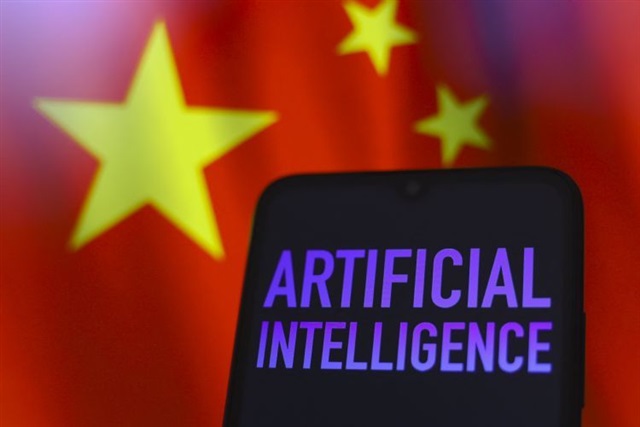
One of the biggest flashpoints is the rule’s impact on China’s AI research pipeline. Because the OFAC entity list includes certain major Chinese companies and institutions, the change could effectively remove high-profile contributors from the NeurIPS process altogether. Critics argue that excluding large segments of the global AI community may weaken scientific exchange, reduce diversity of ideas, and create parallel research spheres that no longer interact as freely.
The backlash from academics reflects a broader anxiety across the research world: conferences have traditionally aimed to serve as neutral platforms for evaluating work on technical merit. When eligibility becomes linked to sanction lists, some worry it signals a new era where participation in top AI conferences is influenced as much by international policy as by research quality.
At the center of the debate is a hard balancing act. On one side are legal and compliance realities related to U.S. sanctions. On the other is the long-standing principle that research advances fastest when researchers can share results, scrutinize methods, and build on each other’s work regardless of national boundaries. Critics say that once key institutions are excluded from submitting and reviewing, the peer-review process risks becoming less representative of the field’s global expertise.
For now, the policy is fueling intense discussion about what the future of AI collaboration will look like—especially as leading conferences face growing pressure to navigate international regulation while still protecting scientific openness. As the AI race accelerates worldwide, the question many researchers are asking is simple: can the field stay truly global if the gates to participation keep narrowing?