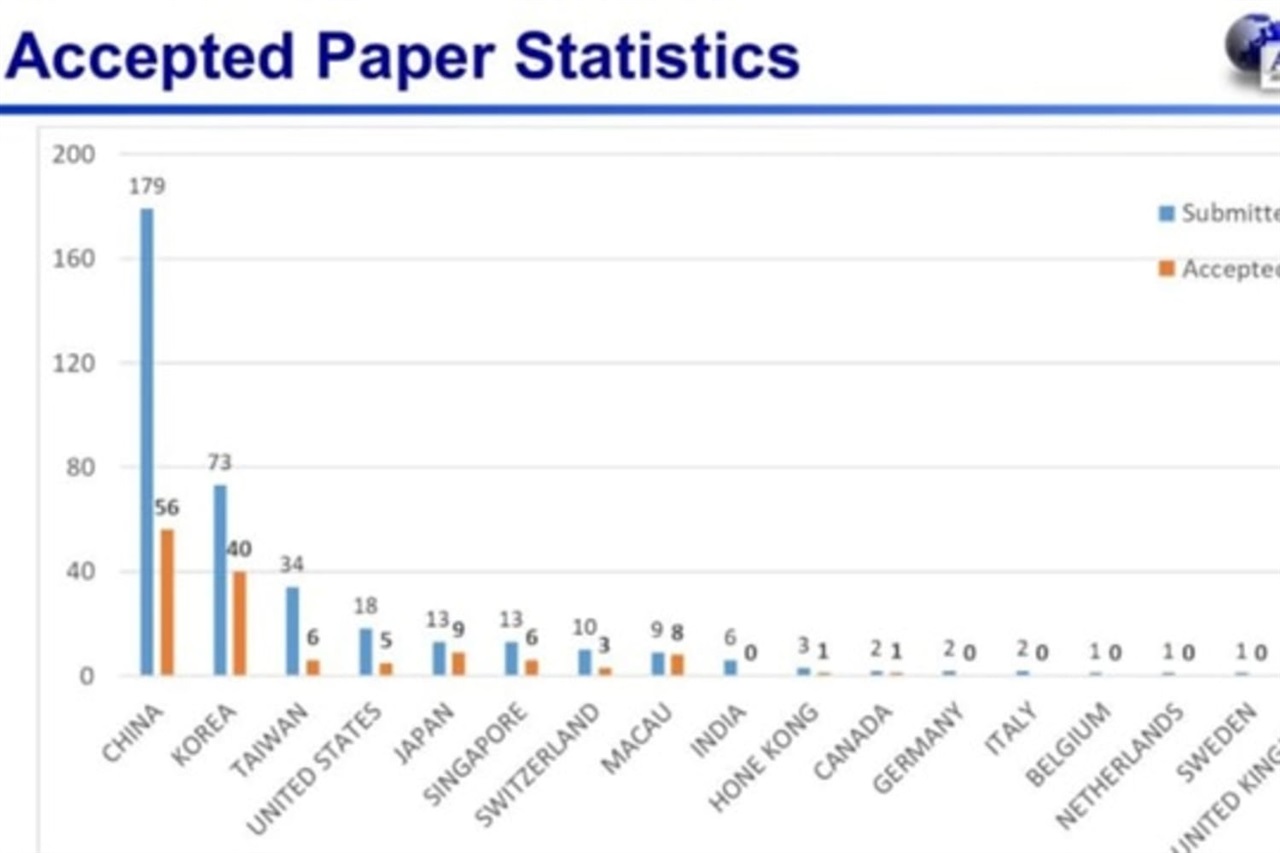
IEEE’s Asian Solid-State Circuits Conference is heading to South Korea, and Taiwan’s research community just scored a noteworthy win: six papers have been accepted for presentation. As one of the premier annual gatherings for integrated circuit design and semiconductor innovation, A-SSCC brings together leading academics, engineers, and industry experts from across the region. Acceptance into its technical program signals strong peer recognition and showcases the depth of ongoing work in solid-state circuits.
This outcome underscores Taiwan’s continuing influence in chip design and semiconductor research. For the teams behind these papers, the conference offers a high-profile platform to present new ideas, exchange feedback with global experts, and build collaborations that can accelerate real-world impact. It also highlights the vitality of Taiwan’s R&D ecosystem, where universities, labs, and industry consistently push advances that power everything from mobile devices and AI hardware to next-generation communications.
A-SSCC is known for rigorous peer review and a program that typically spans a wide range of circuit disciplines. While the specific session lineup is announced by the organizers, the conference traditionally features topics such as:
– Analog and mixed-signal design
– RF and millimeter-wave circuits for connectivity
– Digital and high-performance compute circuits
– Power management and energy-efficient design
– Data converters and sensor interfaces
– Memory design, embedded systems, and security hardware
– Circuits for AI acceleration and edge computing
For prospective attendees and readers following cutting-edge research, the presence of six Taiwan-led papers is a solid indicator of where the region’s strengths are trending: energy-efficient architectures, precision analog, advanced RF, and system-level integration that bridges research and manufacturable products. The visibility that comes with an IEEE conference presentation often leads to broader collaboration, talent recruitment, and technology transfer opportunities.
South Korea’s role as host places the event at the heart of a thriving semiconductor corridor, making it easier for research groups and companies across Asia to connect. Expect lively discussions around design methodologies, process-node challenges, and how to extract more performance and efficiency as the industry navigates AI workloads, edge intelligence, and pervasive connectivity.
Key takeaways for readers tracking semiconductor innovation:
– A-SSCC remains a bellwether for where integrated circuit research is heading in Asia.
– Six accepted papers from Taiwan point to sustained momentum in advanced circuit design.
– The conference environment helps move breakthroughs from lab prototypes toward commercially viable solutions.
As the conference approaches in South Korea, all eyes will be on the technical sessions to see which design techniques, topologies, and system integrations set the tone for the next wave of semiconductor innovation. For Taiwan’s research community, the acceptance tally is both recognition and motivation—proof that their work resonates on a regional stage and a springboard to the next set of breakthroughs.