Earth’s oceans have long raised one of science’s biggest questions: where did all this water come from? For years, a popular idea has been that meteorites delivered a major portion of Earth’s water, especially during a period often called “late accretion,” when space rocks continued to hit the young planet after it had largely formed. A new NASA-led study, however, challenges that assumption and suggests those late meteorite deliveries may not have mattered much for Earth’s oceans after all.
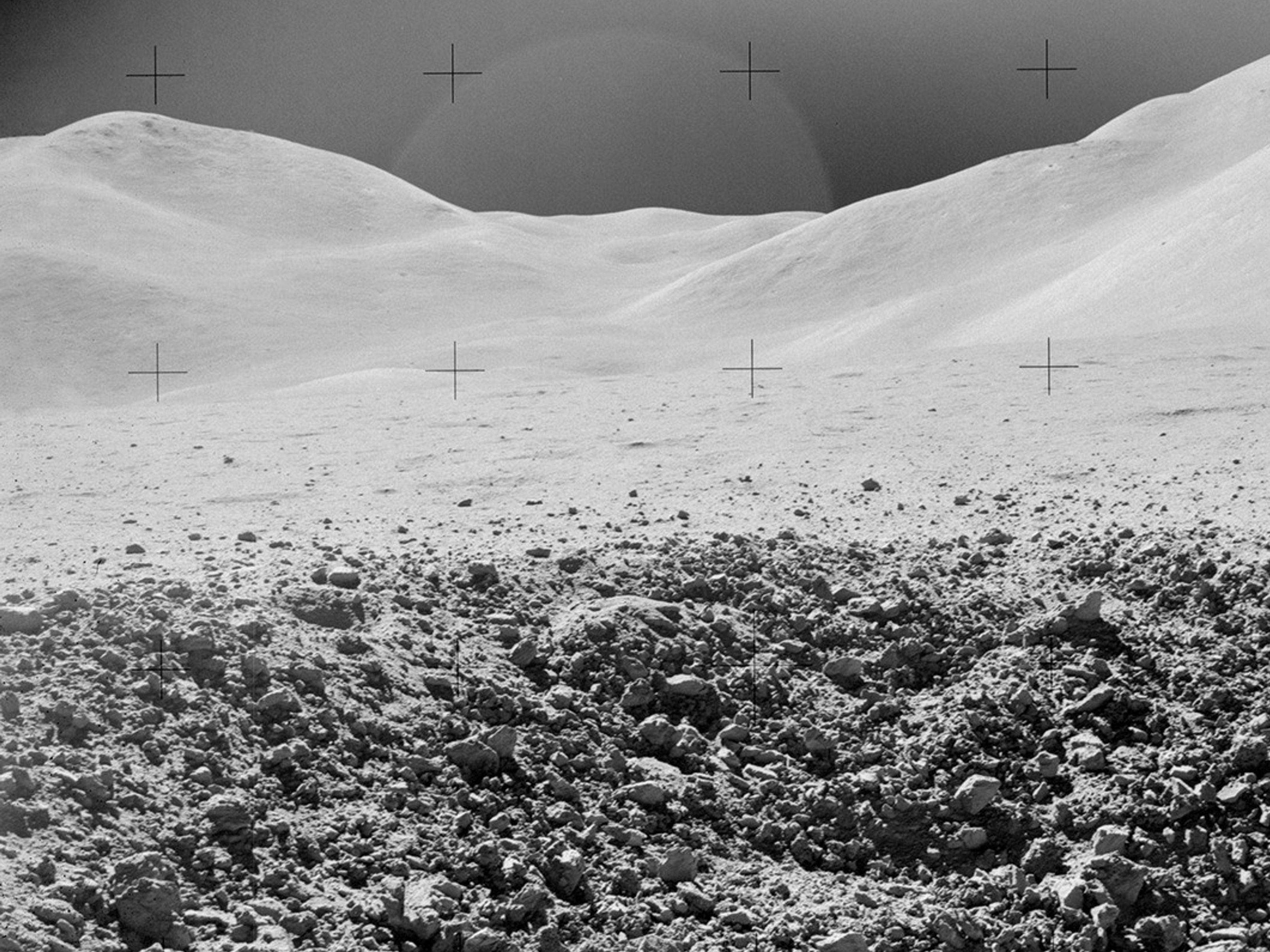
To investigate, researchers turned to an unexpected archive of early solar system history: the Moon. Specifically, they analyzed lunar regolith, the fine, dusty debris blanketing the Moon’s surface. These samples were collected during the Apollo missions, and even after more than five decades, they’re still yielding fresh insights into how Earth and the Moon evolved.
What makes this study stand out is the technique. In the past, scientists often focused on “metal-loving” elements to estimate how much material arrived during late impacts. The problem is that the Moon has been repeatedly struck by meteorites for billions of years, and those collisions can churn, mix, and contaminate the very elements researchers are trying to track—making conclusions less reliable.
This new work instead used oxygen-isotope measurements. Oxygen is a particularly powerful tool because it’s the most abundant element by mass in many rocks, and its isotopic signature is far less likely to be distorted by external mixing and impact effects. In other words, oxygen isotopes can preserve a clearer, more trustworthy record of what kinds of materials were added to the Moon over time.
The results paint a nuanced picture. The study found that late-arriving meteorites could have contributed a meaningful amount of water to the Moon. But when the same delivery is scaled up to Earth’s vast ocean volume, it becomes surprisingly small. The implication is straightforward: late meteorites may not have supplied a significant share of Earth’s water, meaning the main source likely came from earlier processes or different reservoirs than previously emphasized.
The research was published in the Proceedings of the National Academy of Sciences, and it highlights a bigger takeaway as well: Apollo-era samples remain among the most valuable scientific resources for understanding our origins. Researchers are now especially eager for the next generation of lunar material, with upcoming missions such as Artemis III expected to return new samples that could further refine—or reshape—what we think we know about the history of water on Earth.


