Nvidia’s next-generation AI platform, known as Vera Rubin, is moving closer to mass production, and the hardware strategy behind it is already reshaping the memory market. According to sources familiar with the supply chain, the upcoming architecture is placing greater emphasis on low-power DRAM, a shift that could influence how future AI accelerators balance performance, efficiency, and thermal limits at scale.
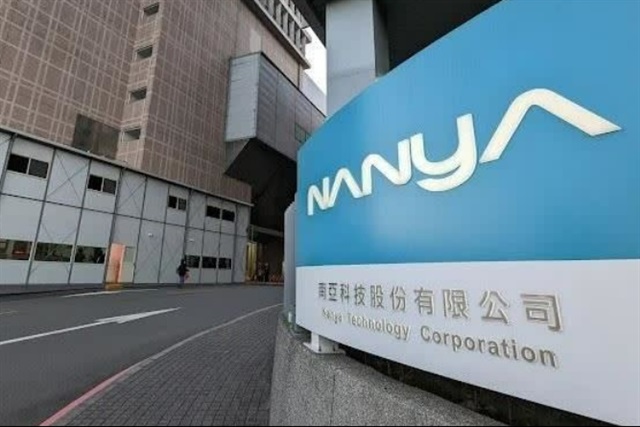
One of the biggest takeaways from the latest supply chain chatter is that Nanya Technology has reportedly secured a foothold in Nvidia’s expanding AI memory ecosystem through its LPDDR (Low-Power Double Data Rate) product lineup. That’s notable because LPDDR is traditionally associated with power-sensitive devices, but it has increasingly become relevant in AI and high-performance computing conversations where efficiency-per-watt matters as much as raw throughput.
If Vera Rubin is indeed moving toward broader adoption of low-power DRAM, it signals an architectural direction where reducing energy consumption, managing heat, and optimizing memory behavior under intense AI workloads become central design goals. For data centers and enterprise AI deployments, those factors can translate into tangible advantages: lower operating costs, improved density, and more predictable performance under sustained loads.
For Nanya, landing a position in the supply chain tied to a major Nvidia AI platform could be strategically significant. Supplying memory into an ecosystem driven by next-gen AI hardware can open doors to longer-term partnerships, higher-volume opportunities, and stronger credibility in a competitive field dominated by established giants. The report suggests that LPDDR is the entry point, aligning Nanya with the growing demand for memory solutions that support modern AI infrastructure without pushing power and cooling requirements to extremes.
As Nvidia’s Vera Rubin platform approaches mass production, more details are likely to emerge about how memory is being integrated across the system and what specific configurations are expected to ship. For now, the key story is the momentum: a next-generation AI platform nearing production readiness, and a meaningful supply chain move that highlights the rising importance of LPDDR and low-power DRAM in the future of AI computing.