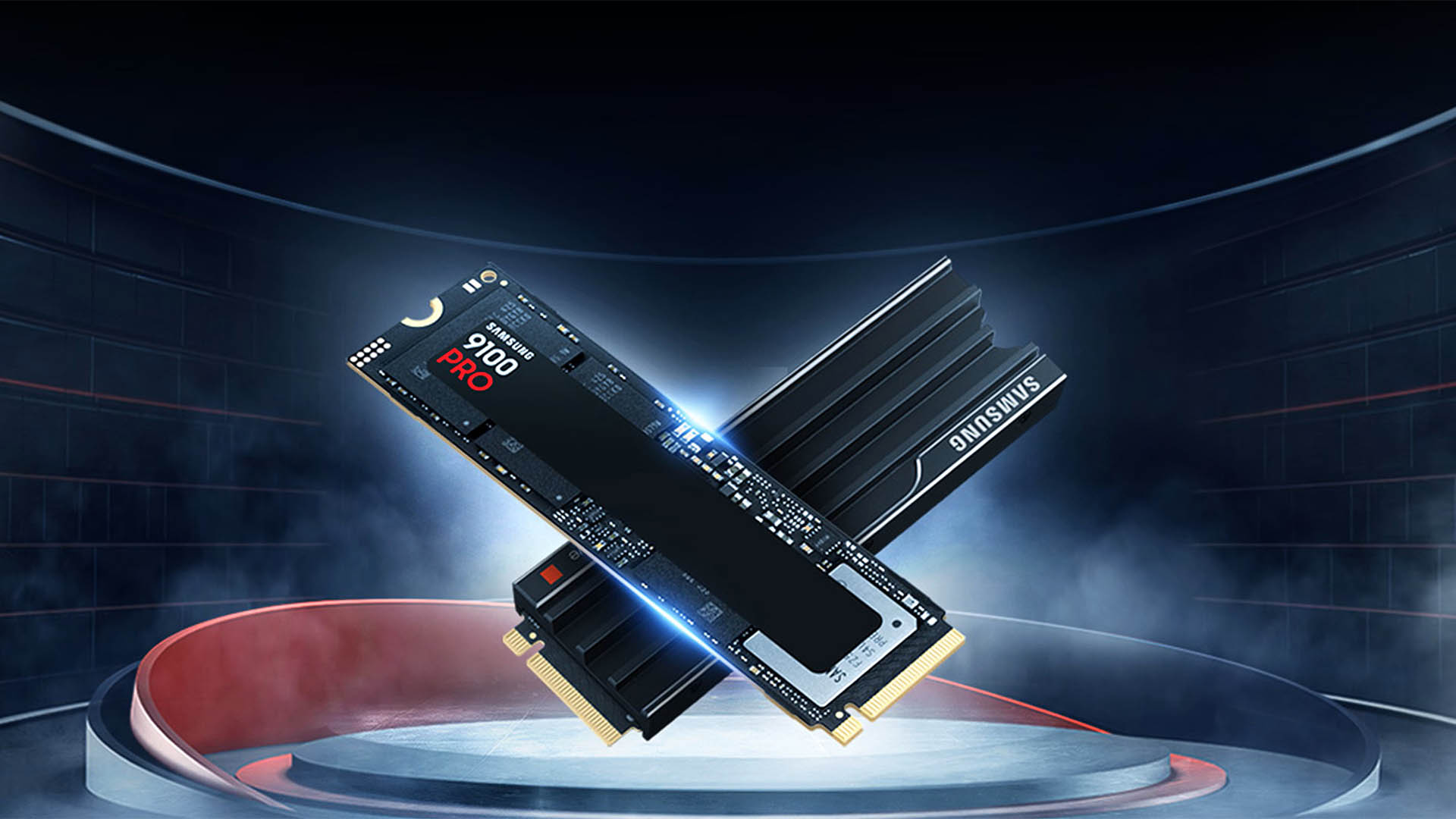
After months of DRAM shortages and soaring RAM costs, another core PC component looks poised to get a lot more expensive. Industry supply chain chatter now points to a major jump in NAND flash pricing—the memory that powers most SSDs—raising concerns that storage will be the next big pain point for PC builders, laptop buyers, and gamers.
One of the biggest storylines is a rumor that Samsung is moving forward with an unusually aggressive NAND contract price increase in Q1, with reports suggesting pricing could jump by more than 100%. Customers are said to have already been notified. If accurate, this kind of spike would ripple through the entire SSD market, because NAND prices heavily influence what manufacturers pay to build everything from budget drives to high-end NVMe SSDs.
The broader context is hard to ignore: AI demand has been putting enormous stress on the tech supply chain. The rapid expansion of AI infrastructure has been blamed for turbulence across consumer PC hardware—RAM prices climbing fast, some GPU launches facing delays, and now storage potentially joining the list. Reports also claim that Samsung’s new pricing direction follows long-term agreements with top-tier customers, including Apple, NVIDIA, and AMD, which can shape how much supply is available and what it costs for everyone else downstream.
For everyday buyers, the warning signs are already showing up at retail. SSD prices have been creeping upward consistently, and many popular capacities and models appear to be getting more expensive week after week. On average, SSD pricing is said to be up as much as 18% since October 2025—and that’s before any rumored NAND contract doubling fully works its way into consumer products. If NAND costs really do rise that sharply, today’s SSD prices may end up looking cheap in hindsight.
Anyone hoping manufacturers will simply flood the market with more NAND to stabilize pricing may be disappointed. There’s currently no clear indication of a big near-term supply boost. In fact, as companies juggle production decisions in response to shortages and profitability pressures, the industry could remain stuck in a cycle where pricing stays elevated rather than easing quickly.
The result is an increasingly tough environment for the consumer PC market. When CPU, GPU, RAM, and now SSD pricing all trend upward, upgrading becomes harder to justify—especially for gamers and mainstream users who just want better performance without paying a premium. With AI-related demand continuing to grow and competing for the same essential components, there’s no clear timeline for when prices might normalize.
For now, shoppers who were planning a storage upgrade—or a full PC build—may want to keep a close eye on SSD deals and pricing swings, because the next few quarters could bring even steeper costs if the rumored NAND increases take hold across the market.