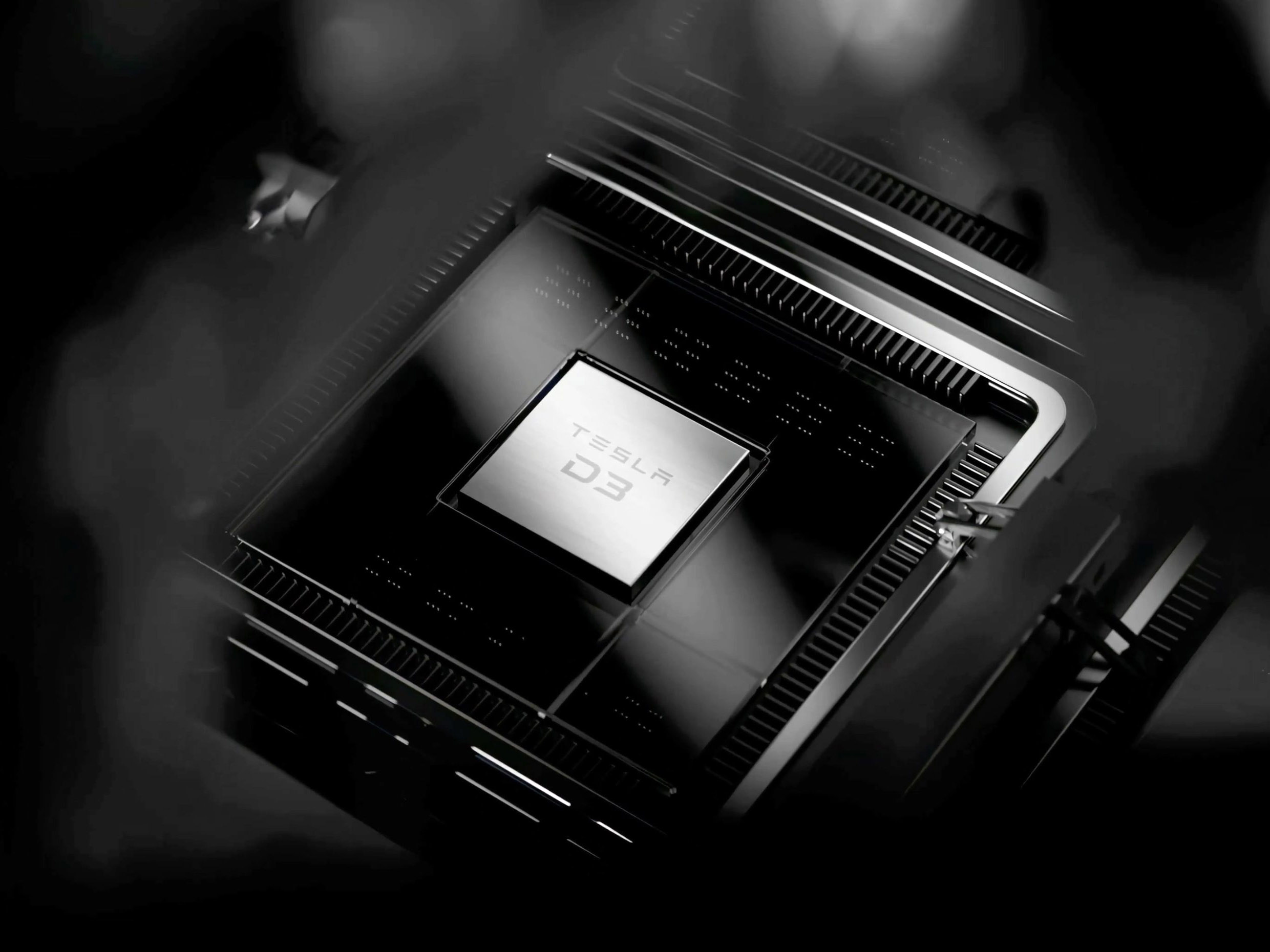
Elon Musk is back with another headline-grabbing idea, this time timed as SpaceX inches toward a possible IPO and as Tesla’s stock has struggled early this year. His latest tease is a massive semiconductor initiative he’s calling “Terafab,” described as an attempt to create the most ambitious chip-building effort ever.
The concept is bold: a joint venture involving Tesla, SpaceX, and xAI that would aim to deliver one terawatt of computing capacity per year. Musk’s pitch doesn’t stop at building chips, either. Terafab is framed as a fully vertically integrated semiconductor operation, bringing together everything from logic and memory production to packaging and testing under one umbrella. If it worked as described, it would give his companies deeper control over the computing hardware that powers EVs, robotics, and AI.
But the gap between ambition and reality is where the biggest questions show up. Today, Tesla depends on established chipmakers such as TSMC and Samsung to manufacture key components. Terafab, meanwhile, is said to target 2 nm process technology, one of the most advanced manufacturing nodes in the industry. Reaching that level is notoriously difficult. The leading foundries spent decades refining expertise, investing enormous sums, and building supplier ecosystems that are hard to replicate quickly—no matter how much money or confidence is involved.
Another hurdle is experience. Tesla doesn’t have a long track record as a semiconductor manufacturer, and modern chipmaking requires specialized equipment that often has multi-year backlogs. Even if funding is available, simply securing the tools and talent to run a cutting-edge fab can take far longer than most tech timelines suggest.
Musk is also tying the idea to an even bigger vision: sending around 100 million tons of solar energy capture equipment into space each year to power AI-focused satellite infrastructure. He’s suggested that Optimus robots alone could require 100 to 200 gigawatts worth of chips, and that satellite arrays could push demand into terawatts. That scale would exceed the combined output of essentially every current and projected chip producer through 2030, making the plan sound less like an incremental roadmap and more like a whole new industrial era that would need to be built from scratch.
Then there’s the financial side. Tesla’s capital expenditure budget is about $20 billion this year—its largest ever—yet the company reportedly earned under $4 billion in profit in 2025. The Terafab facility is estimated at $25 billion, and that figure doesn’t account for the cost overruns that often come with new mega-projects.
Skeptics point to Tesla’s own recent manufacturing promises as a cautionary example. The 4680 battery cell program was introduced with aggressive targets, including rapid scale-up and major cost reductions. Years later, the effort has reportedly reached only a small fraction of its original volume goals, while the technology continues to face cost and performance challenges—issues that can ripple into real-world products.
And chip fabrication is even more complex than battery production. Advanced process nodes demand extreme precision, deep materials science expertise, intricate quality control, and supply chain coordination across countless specialized partners. It’s an industry that has challenged and humbled highly experienced giants, not just newcomers.
Terafab and the broader idea of orbital data centers may represent a long-term direction Musk genuinely wants to pursue—especially as AI, robotics, and space-based infrastructure become bigger strategic priorities. But if this moonshot is to become more than a promotional vision tied to investor attention, it will require years of execution, massive capital, and breakthroughs in both manufacturing capability and logistics. Even reaching a fraction of what’s being promised would be an extraordinary feat.