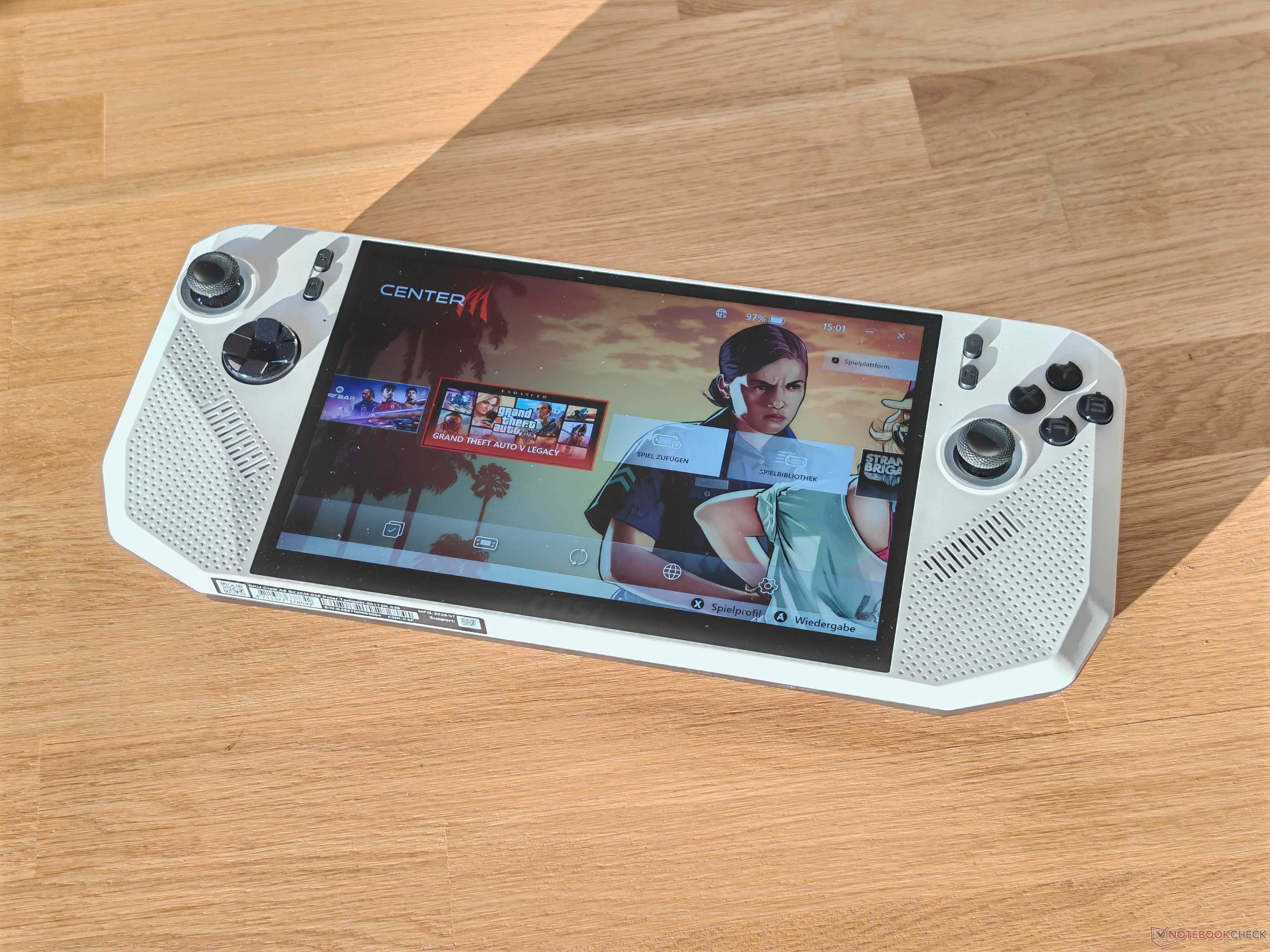
MSI’s latest Claw A8 now comes in two flavors, and on raw performance alone, they’re surprisingly close. If you’re expecting a clear winner in frame rates or everyday speed, you may not see a dramatic difference between the AMD and Intel versions in many real-world scenarios. But once you look beyond headline performance, the experience starts to separate—and not always in the AMD model’s favor.
One of the biggest sticking points is MSI’s current approach to power profiles. By default, the handheld relies on its AI Engine mode, which is meant to automatically adjust performance depending on what you’re running. In theory, that’s convenient: launch a game, play, and let the device balance power and heat on its own. In practice, the power tuning still isn’t as refined as it needs to be, and users who want predictable, repeatable settings may find it frustrating.
There is a manual mode for those who prefer full control, but MSI made an important change compared to the previous setup. Earlier versions offered three sub-profiles with different TDP values—an easy, fast way to switch between performance and battery-saving modes. Those simplified presets are now gone. Instead, the Claw A8 pushes you toward adjusting CPU parameters manually. That’s great for enthusiasts who like experimenting and fine-tuning, but it removes the quick, practical “one-tap” switching that many handheld gamers rely on when moving between travel, couch play, and docked-style sessions.
Memory is another key difference that can affect long-term value and performance stability. The AMD version ships with 24 GB of RAM, while the Intel model comes with 32 GB. That extra memory headroom can matter for newer AAA titles, heavier multitasking, and future games that continue to demand more system resources. Even if today’s games run fine, the Intel configuration is simply better positioned for the years ahead.
Battery life also favors the Intel Lunar Lake version, delivering longer runtimes. For a handheld gaming PC, endurance is a huge part of the overall experience—especially if you play away from a charger or want more flexibility during longer sessions.
Put it all together and the recommendation is clear: even though performance between the two MSI Claw A8 models is very similar, the Intel SKU stands out thanks to more RAM, longer battery life, and a more compelling overall package for most buyers. If you’re choosing a Claw A8 primarily for mobile gaming convenience—portable play, longer sessions, and fewer compromises—the Intel model is the smarter pick.