Motorcycle IoT Faces a Reality Check as Connected Bike Services Lose Momentum
Motorcycle IoT is back in the conversation, but not for the reason many technology enthusiasts expected. A major two-wheeler manufacturer, known for being one of the early movers in connected motorcycle systems nearly a decade ago, has confirmed that it plans to shut down its related connected services in 2027. The decision has sparked renewed debate across the motorcycle industry about the future of smart bikes, connected riding features, and the real value of internet-enabled motorcycles.
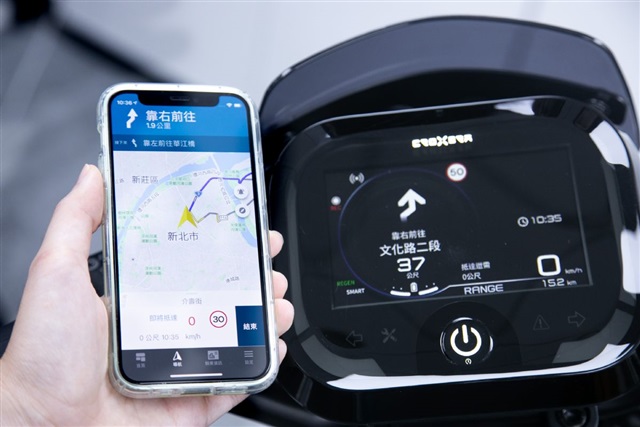
For years, motorcycle IoT was promoted as the next big leap for two-wheelers. The idea was simple and exciting: connect the bike to the internet, link it with a smartphone, collect riding data, improve safety, and offer owners a more intelligent riding experience. Features such as ride tracking, navigation support, remote diagnostics, theft alerts, maintenance reminders, emergency notifications, and performance insights helped create the image of a smarter, safer, and more convenient motorcycle.
However, the latest development suggests that the connected motorcycle market may be entering a more mature and cautious phase. While the technology still has potential, the early hype around motorcycle IoT appears to be cooling. Manufacturers, riders, and service providers are now asking a more practical question: which connected features do motorcyclists actually use and value enough to support over the long term?
One of the biggest challenges for motorcycle IoT is long-term service sustainability. Unlike traditional mechanical features, connected systems require ongoing software support, cloud infrastructure, data management, cybersecurity updates, app maintenance, and customer service. These costs do not end when the motorcycle is sold. If too few riders actively use the features, or if subscription models fail to gain traction, manufacturers may find it difficult to justify keeping older connected platforms alive.
This is especially important in the motorcycle market, where buyers often prioritize reliability, affordability, riding feel, fuel efficiency, and maintenance costs over digital features. While car owners have become more familiar with connected services, motorcycles are a different category. Many riders want technology that improves safety and convenience, but they may not want complex apps, recurring fees, or features that depend on servers that could eventually be discontinued.
The decision to end connected services in 2027 also raises concerns about the lifespan of smart motorcycle features. Riders who bought into the promise of connected mobility may now wonder what happens when digital services stop working. A motorcycle can remain roadworthy for many years, but app-based features can disappear much sooner if the platform is retired. This gap between mechanical durability and digital service life is becoming a key issue for the future of connected vehicles.
At the same time, this does not mean motorcycle IoT is dead. Instead, the industry may be shifting from hype-driven innovation to more focused, useful, and sustainable connected solutions. The future of connected motorcycles may depend less on flashy app features and more on practical tools that riders genuinely need. Safety alerts, crash detection, anti-theft tracking, predictive maintenance, fleet management, insurance-based telematics, and navigation assistance could still play an important role if they are reliable, easy to use, and supported for a reasonable period.
Electric motorcycles may also keep motorcycle IoT relevant. Since electric two-wheelers already depend heavily on battery management systems, software, charging data, and range monitoring, connected technology can provide clearer benefits. For electric bikes and scooters, IoT features can help riders check battery status, locate charging points, monitor vehicle health, and receive software updates. In this area, connectivity is not just a luxury feature; it can be part of the core ownership experience.
Another promising area is fleet and commercial use. Delivery companies, rental operators, and shared mobility providers can benefit from motorcycle telematics more directly than individual riders. Real-time tracking, route optimization, vehicle diagnostics, usage monitoring, and maintenance planning can reduce costs and improve efficiency. This business-focused segment may become one of the strongest drivers of motorcycle IoT growth in the coming years.
For everyday riders, the key will be trust. If manufacturers want customers to embrace connected motorcycle technology, they must be clear about how long services will be supported, what happens if a platform is discontinued, how rider data is protected, and whether essential functions will continue to work without an active connection. Transparency could become just as important as innovation.
The motorcycle industry now has an opportunity to rethink connected mobility from the rider’s point of view. Instead of adding digital features simply because the technology exists, brands may need to design connected services that solve real problems. Riders are more likely to value features that protect their bike from theft, help them maintain it properly, improve safety on the road, or make long-distance travel easier.
The upcoming shutdown of an early connected motorcycle platform is a reminder that not every smart mobility idea will last forever. It also highlights a larger truth: successful motorcycle IoT must deliver lasting value, not just novelty. As the hype cools, the next phase of connected motorcycles will likely be more practical, more selective, and more focused on features that riders are willing to depend on.
Motorcycle IoT is not disappearing, but it is being tested. The future of smart motorcycles will belong to systems that are useful, durable, secure, and easy to understand. For riders, the promise of connected technology remains appealing, but only if it enhances the freedom and confidence that make motorcycling special in the first place.


