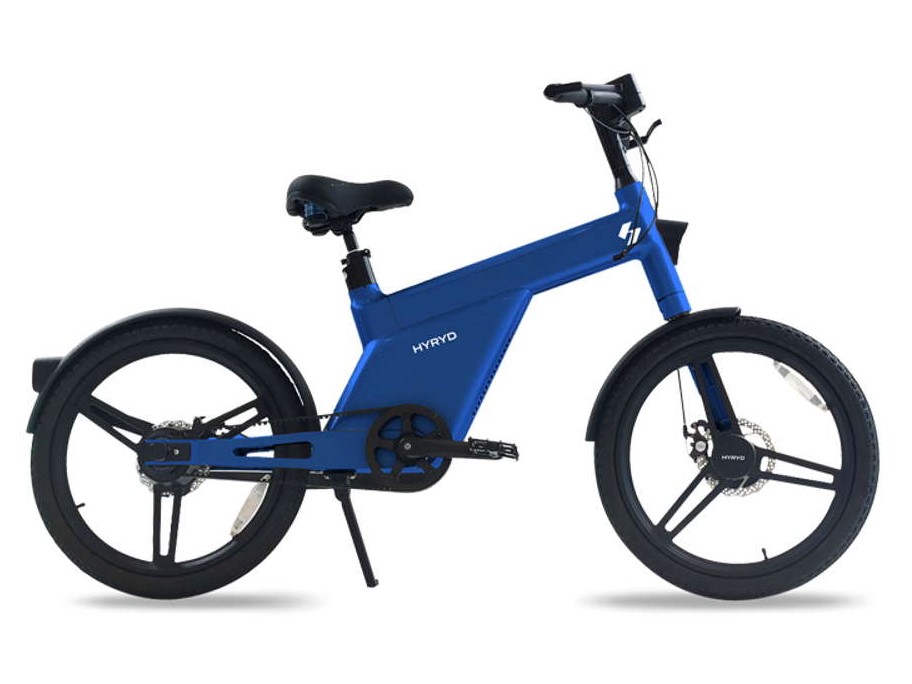
The e-bike landscape is evolving rapidly with the advent of new and groundbreaking technology. In recent years, electric mobility has seen a significant leap forward, and one critical innovation is coming out strong: hydrogen-powered electric bikes. These e-bikes offer an alternative energy storage solution to conventional battery-powered systems, and they are gaining traction in the market for their efficiency and convenience.
HydroRide, a Swiss-based e-bike manufacturer, is pioneering this push into hydrogen fuel cell technology. Their focus is not just on individual consumers but on optimizing the use of e-bikes in commercial settings, such as rental companies. These organizations can greatly benefit from the remarkably rapid refueling process of hydrogen e-bikes. Unlike traditional batteries, which require several hours to charge, hydrogen storage units can be swapped out in just a matter of seconds – between three to ten, to be precise. This method can dramatically reduce downtime and increase the potential turnaround for rental operations.
Moreover, HydroRide’s offerings are not only limited to the e-bikes themselves but also include an innovative hydrogen generator. This generator can use solar energy to produce hydrogen, with 20 grams generated in five hours utilizing high-purity water as the source. This green approach further enhances the appeal of HydroRide’s technology, especially considering the growing global interest in sustainable energy solutions.
Among the products that HydroRide has unveiled are two distinct e-bike models: the Sport Bike, which showcases a futuristic design ideal for enthusiasts, and a foldable e-bike that caters to urban commuters and those needing space-saving solutions. While the top speed of 23 km/h and a range of 60 kilometers may be considered average in the wider e-bike market, the quick refueling time and the ecological benefits of hydrogen power are significant selling points.
The application of hydrogen fuel cells in electric bikes signals a positive shift towards more energy-efficient and environmentally friendly transportation alternatives. As hydrogen infrastructure continues to grow and potential users become more aware of the benefits of such technology, hydrogen-powered e-bikes like those from HydroRide could transform urban mobility and beyond.
In sum, for those who are invested in the advancement of electric transportation, especially commercial entities, exploring hydrogen-powered e-bikes is a consideration worth pursuing. With their reduced refueling times, potential for integration with renewable energy sources, and novel design choices, these e-bikes are poised to make a notable impact on the future of cycling.
As this technology develops, consumers and companies alike should pay attention to how hydrogen-powered bikes can fit into their lifestyle or business model, offering a combination of ecological responsibility and operational efficiency. The advancement of hydrogen e-bikes is a clear indication of the innovative directions in which the future of personal and commercial transportation is headed.