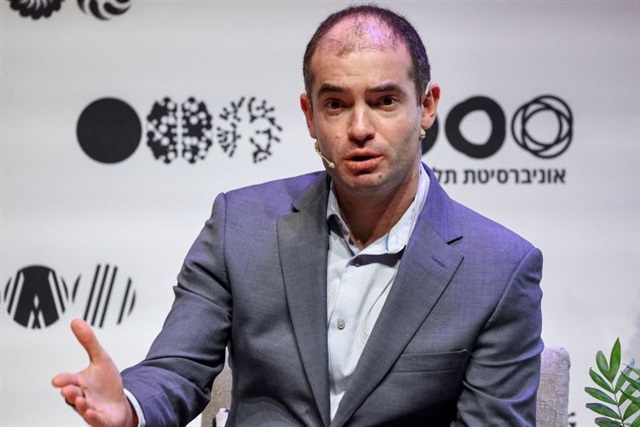
In the realm of artificial intelligence, notable figures often move forward with innovative projects, and this is exemplified by the recent announcement from a key industry leader. Ilya Sutskever, known for being a co-founder of OpenAI and its former Chief Scientist, has initiated a new venture that is garnering attention within the tech community.
The new startup, SSI, represents yet another step in the evolution of AI. Launched on June 19, Sutskever made the announcement over the social platform previously known as Twitter. SSI stands poised to play a significant role in the landscape of AI development by focusing on the advancement of secure and potentially transformative AI technologies.
The inception of SSI signifies the ongoing commitment to pushing the boundaries of what’s possible with AI, ensuring advancements remain robust and secure. This move is particularly relevant at a time when the integration of AI into various sectors is escalating, from healthcare to finance, and security concerns are at their peak.
When exploring the implications of SSI’s launch for secure AI progression, it’s essential to understand the broader context within which this development is happening. AI is now deeply woven into the fabric of modern services and products, making security not just an afterthought but a foundational requirement.
For those interested in the intersection of AI and security, SSI’s journey will likely offer valuable insights into how AI can evolve without compromising the integrity of systems and the privacy of users. The launch of Ssi underscores the important conversation around ethical AI and the need for frameworks that protect users and their data.
Pivotal advancements by companies like SSI are shaping the future of AI, making it vital for enthusiasts, professionals, and organizations to pay close attention to these developments. The goals and methodologies adopted by SSI could provide templates for responsible AI growth, balancing innovation with the much-needed security blanket that reassures the end-user.
In the broader scheme, the continued progression of AI technology spearheaded by leading minds such as Sutskever presents actionable insights for the industry. Observing and understanding SSI’s approach could enlighten AI professionals and organizations on best practices for incorporating security measures into their own AI solutions.
Recent trends demonstrate a movement toward a more secure and privacy-conscious digital world, and SSI appears to embody this shift within the AI arena. For businesses and individuals alike, there’s much to learn from SSI’s initiative and applying these principles to daily operations can be a step towards a more secure digital future. It emphasizes the imperative to not only be consumers of AI technology but also to be informed and proactive about the security measures that underpin these sophisticated systems.
In conclusion, the launch of SSI by a co-founder of OpenAI heralds an exciting new chapter in the story of AI. It brings forth the dialogue on secure AI advancements, reflective of the growing need to prioritize security in the face of swift technological evolution. Observing and possibly integrating lessons from such pioneering ventures could be the key to driving forward a future where AI is not only intelligent but also secure and trustworthy.