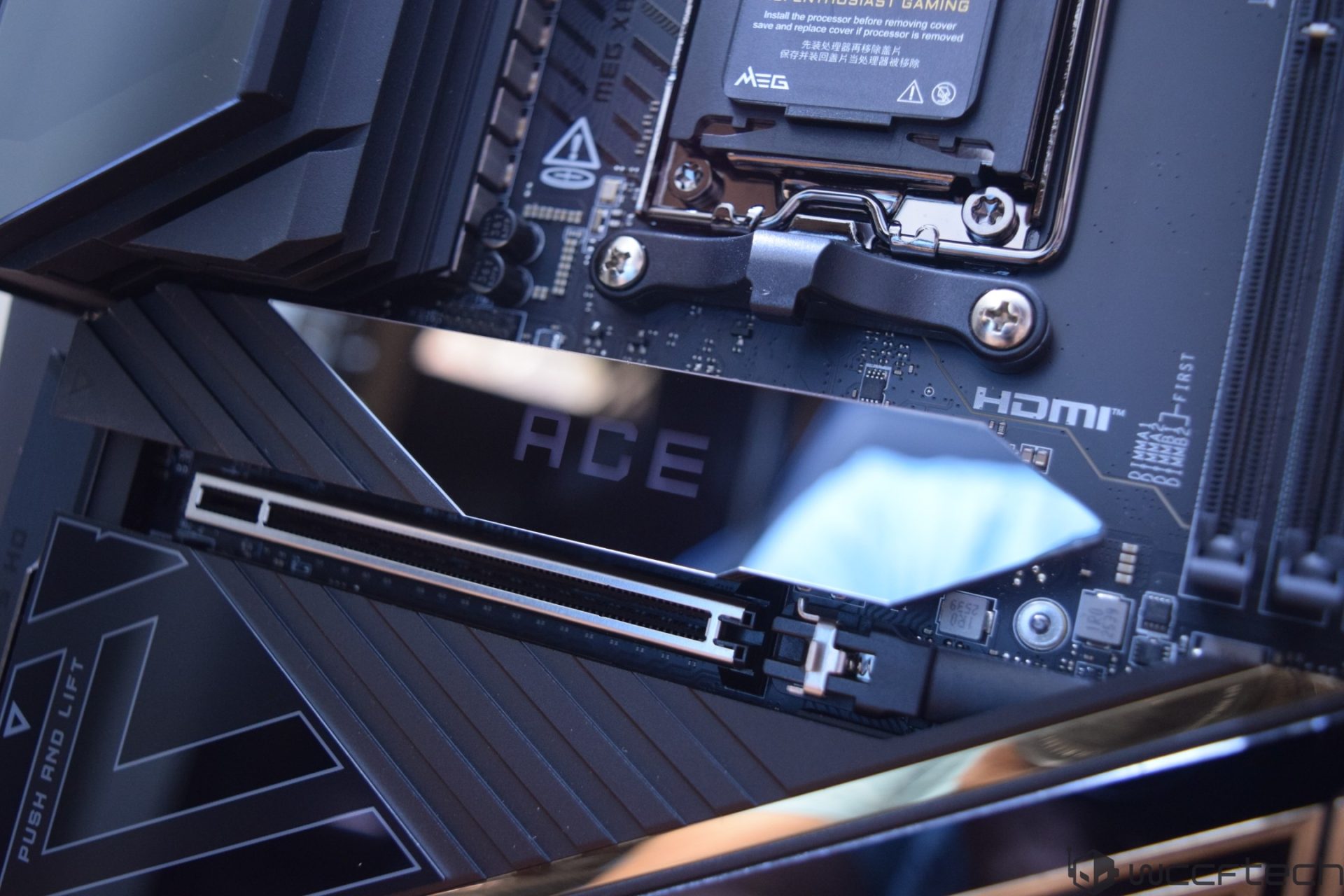
Motherboard shipments are expected to take a noticeable hit in 2026 as PC component prices keep climbing and everyday buyers continue to hold off on upgrades. With memory, graphics cards, and storage among the hardest-hit categories, building or refreshing a PC has become significantly more expensive than it was just a year ago. Even CPUs are trending upward in price as demand tied to AI continues to intensify. And it’s not only the cost that’s causing trouble—availability has also been inconsistent, with shortages affecting multiple consumer hardware segments.
A major force behind the squeeze is how manufacturing capacity is being redirected toward AI products. Across the industry, production is increasingly prioritized for AI-focused hardware: GPU makers are leaning into AI accelerators, CPU suppliers are putting more attention on AI-driven parts, and DRAM/NAND output is under pressure as large AI buyers absorb supply faster than manufacturers can expand it. As that happens, the traditional consumer PC market is left competing for fewer units at higher prices.
At the same time, interest from typical PC buyers—especially gamers and DIY builders—has cooled. Many are choosing to sit tight rather than pay premium prices for upgrades that don’t feel urgent. Graphics cards, usually the biggest motivation to rebuild or refresh a system, are also providing less momentum than usual. With uncertain timing around upcoming product cycles and fewer compelling reasons to upgrade right now, a lot of potential buyers are simply waiting.
That backdrop is setting the stage for a weaker year in the motherboard business. Industry chatter points to millions fewer motherboards shipping in 2026 compared with the previous year. One major vendor is reportedly aiming to keep shipments above 10 million units after shipping around 15 million the year prior, highlighting how steep the expected decline could be. Other well-known motherboard brands are also projected to ship fewer units than last year, reflecting a broader slowdown in DIY and consumer PC demand. Another manufacturer is forecast to see a drop of more than 30% year over year, underscoring how widespread the contraction may become.
The pressure doesn’t end with demand. Rising material costs are also pushing motherboard prices higher, with increases estimated in the 10% to 20% range. To protect margins, some board makers may trim features or adjust designs on certain models, a move that could further affect how attractive new motherboards feel to value-focused builders.
Even with motherboard and consumer graphics shipments trending down, the biggest companies in this space aren’t necessarily headed for a collapse. Supply chain commentary suggests AI servers and AI-related hardware have become the primary growth engines for several of these brands, helping offset softer results from traditional PC components. In other words, while the DIY PC market may shrink in 2026, many manufacturers expect their AI segments to carry revenue and keep overall profitability relatively steady.
For PC enthusiasts, the takeaway is clear: 2026 could be a challenging year for affordable upgrades, with higher prices, tighter supply, and fewer compelling reasons for mainstream consumers to buy new platforms. For motherboard makers, shipments may decline sharply—but the companies with meaningful AI exposure may still come out stable as the industry’s center of gravity shifts further toward AI infrastructure.