Monster Hunter Wilds just took a meaningful step forward on PC, and if you’ve been waiting for smoother gameplay—especially on midrange hardware—Title Update 4 is the kind of patch worth paying attention to.
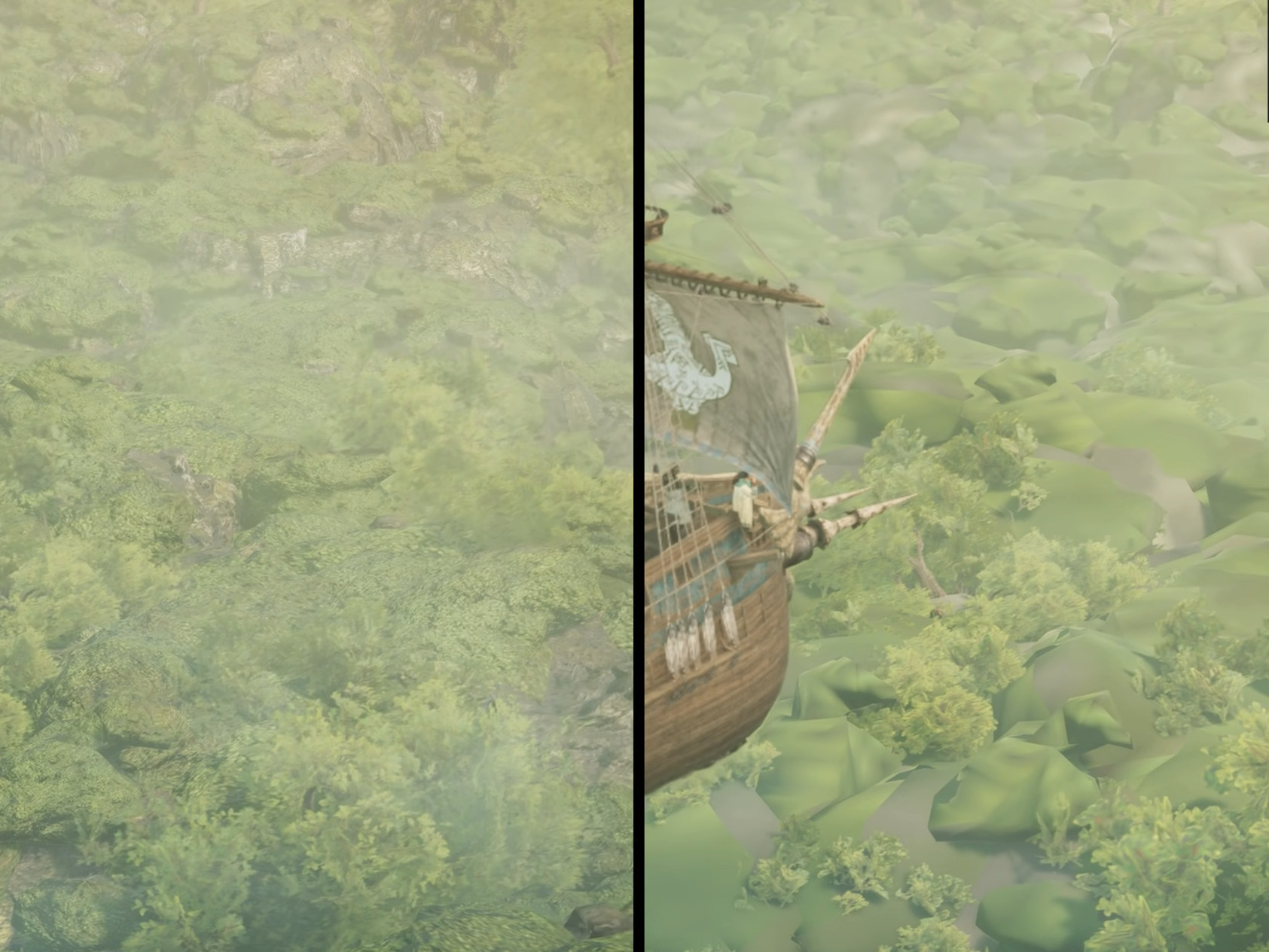
A recent deep-dive performance breakdown comparing Title Update 3 and Title Update 4 highlights a clear takeaway: Medium settings are in a much better place now. Frame rate stability improves across the board, and the experience feels more consistent during real gameplay instead of only looking good in ideal scenes. For many players, that matters more than chasing maximum visual fidelity, because steadier frame pacing usually translates into better control response and fewer immersion-breaking hiccups.
High settings, however, remain a bit of a mixed bag. While image quality can look great in certain moments, the overall results vary depending on the scene and hardware. In other words, Title Update 4 doesn’t magically make High settings the “set it and forget it” option for everyone. But it does deliver what many PC players have been asking for: fewer performance stutters on graphics cards with 8GB of VRAM. That improvement alone is significant, because 8GB GPUs still represent a huge portion of the gaming PC market, and stutter reduction often feels like a bigger upgrade than a small increase in average FPS.
At the same time, this update reignites a larger conversation around Capcom’s RE Engine and how it handles bigger, more demanding game worlds. Monster Hunter Wilds and Dragon’s Dogma 2 have both faced criticism for uneven PC performance, which has led to a growing question among players: is RE Engine simply better suited to tightly structured, room-by-room game design, like the kind seen in action-driven or corridor-based experiences, rather than sprawling open environments?
The truth may be more complicated than “the engine can’t do open worlds.” Optimization challenges can come from many directions—streaming huge amounts of world data, CPU-heavy simulation systems, aggressive visual features, VRAM pressure, or even how assets are authored and loaded. Still, when multiple large-scale titles run into similar performance complaints, it’s natural for players to wonder whether the engine’s strengths are being stretched in new ways, or whether development priorities and timelines are playing an equally big role.
For now, the practical outcome is simple: Title Update 4 makes Monster Hunter Wilds feel better to play for a lot of PC users, especially on Medium settings and especially for those on 8GB GPUs who were dealing with constant stutter. Whether this is the start of sustained performance improvements—or just one bright spot in a longer optimization journey—only time will tell.