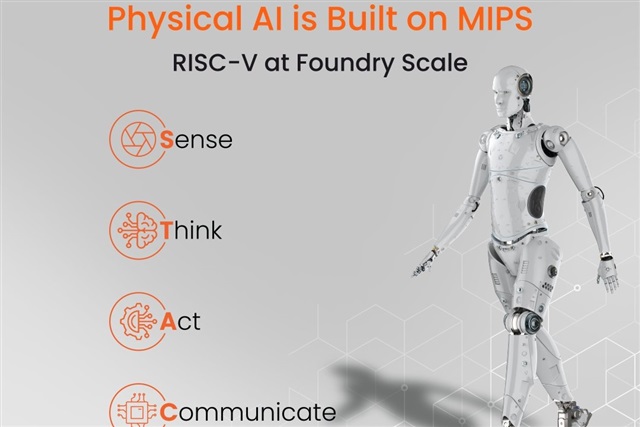
MIPS is making a major strategic shift in the RISC-V world, and it’s bigger than simply releasing another CPU core. After integrating the ARC Processor IP business acquired from Synopsys, the company is repositioning itself as a full RISC-V processor platform provider—expanding beyond traditional CPU-only designs to offer a more complete mix of compute options and the tools needed to put them to work.
For developers and device makers, this move signals a clear goal: make it easier to build modern RISC-V products that require more than general-purpose processing. Instead of focusing narrowly on CPU performance alone, MIPS is aligning its platform around the kinds of heterogeneous workloads that define today’s embedded and edge computing market. That means pairing RISC-V CPUs with complementary building blocks such as NPUs for AI acceleration, DSPs for signal processing, and a stronger supporting software stack to speed up development and deployment.
This broader platform approach is especially relevant as demand grows for efficient on-device AI, real-time sensor processing, and low-latency computation in products like industrial systems, automotive electronics, smart home hardware, and edge AI devices. In many of these categories, performance and power efficiency depend on combining multiple specialized compute engines—so a unified platform that includes CPUs plus dedicated acceleration can reduce integration complexity and improve time to market.
By bringing ARC IP into its portfolio and positioning itself around a platform that blends CPUs, NPUs, DSPs, and software tools, MIPS is aiming to stand out in the fast-expanding RISC-V ecosystem. The message is straightforward: the next phase of RISC-V growth won’t be driven by CPUs alone, and MIPS wants to be the company supplying the complete processor foundation needed for the next generation of intelligent, efficient devices.


