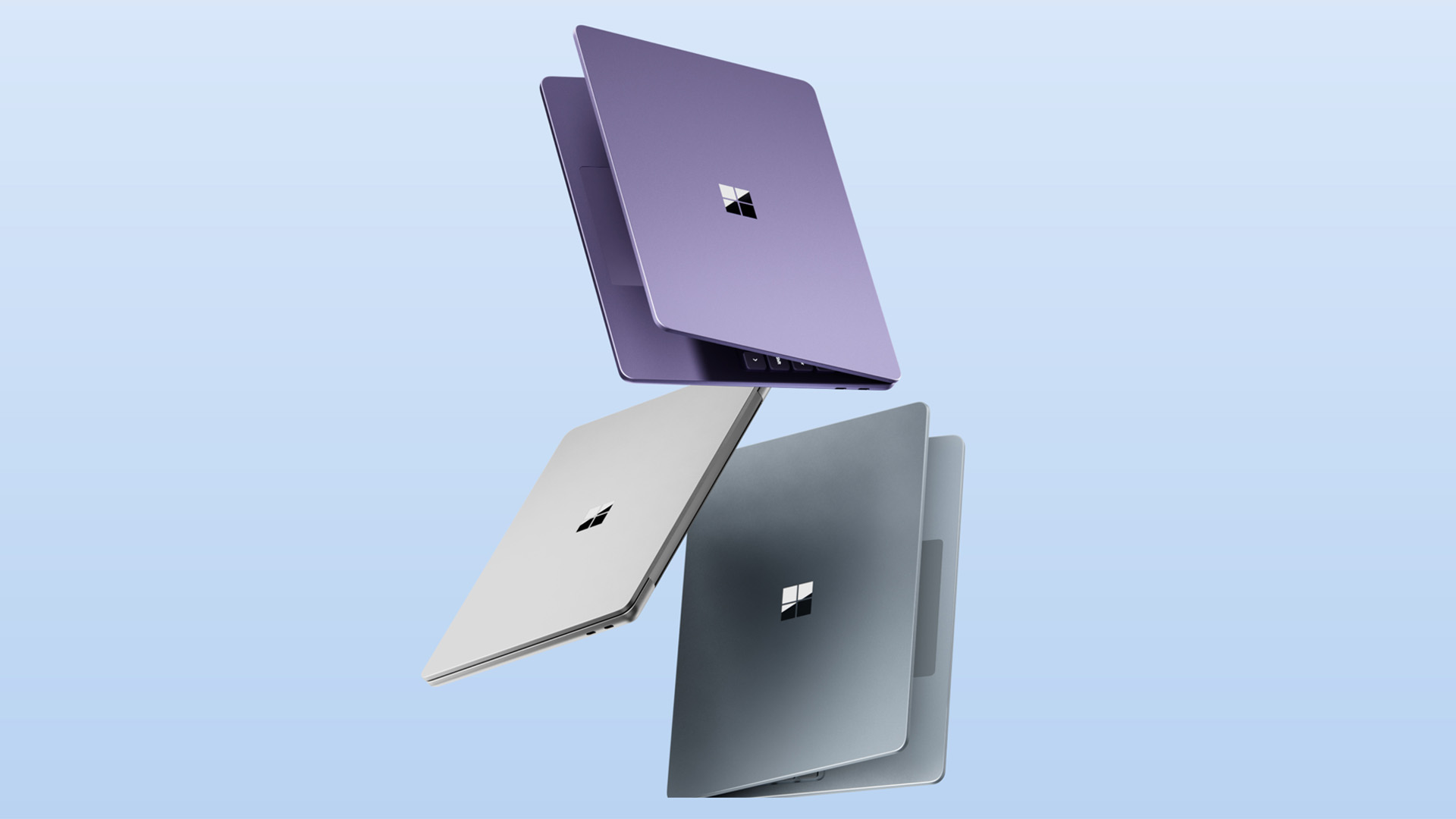
Why Microsoft Surface PCs Still Don’t Use AMD Chips
Microsoft’s Surface lineup has evolved into a showcase for several major chip platforms, including Intel processors, Qualcomm Snapdragon chips, and, more recently, NVIDIA’s RTX Spark hardware for the high-end Surface Laptop Ultra. But one major name remains noticeably absent from most current Surface devices: AMD.
That absence has raised questions, especially since Microsoft already has a strong history with AMD through Xbox hardware. AMD chips power Xbox consoles, and the two companies continue to work together on gaming-related silicon. So why hasn’t AMD returned to the Surface family in a bigger way?
According to Microsoft Surface executive Brett Ostrum, the reason comes down to product strategy rather than any issue between the two companies. He explained that Microsoft has a limited Surface portfolio, meaning the company must be highly selective about which chips it uses and where they fit.
Ostrum made it clear that Microsoft still values its relationship with AMD, saying the company enjoys working with AMD. However, with only so many Surface models available, Microsoft has to make careful decisions about processor choices across the range.
That explanation makes the situation easier to understand, even if it still feels surprising. AMD has become a strong competitor in laptops, desktops, gaming systems, and handheld devices. Its Ryzen processors have earned attention for performance, efficiency, and integrated graphics capabilities. For many users, an AMD-powered Surface device would be an appealing option, especially for creative work, gaming, and productivity.
The decision also stands out because AMD already plays an important role in Microsoft’s gaming ecosystem. Xbox consoles rely on AMD technology, and future Xbox-related hardware is expected to continue that partnership. Rumors have also suggested that upcoming Xbox chips could deliver major graphics performance gains, showing that Microsoft and AMD remain closely aligned in other parts of the business.
Still, the Surface division appears to be taking a different path. Microsoft has leaned heavily on Intel for traditional Windows laptops, Snapdragon for AI-focused and power-efficient devices, and NVIDIA for premium performance hardware. Adding another chip supplier to the Surface lineup could complicate product planning, software optimization, supply chain decisions, and marketing.
The last notable appearance of AMD processors in the Surface family came with earlier Surface Laptop models. Since then, Microsoft has shifted its Surface hardware strategy toward other platforms, leaving AMD out of the current mix.
NVIDIA’s arrival in the Surface ecosystem may also put pressure on AMD to offer something even more compelling for premium Windows devices. If AMD can deliver a chip that combines strong CPU performance, powerful graphics, advanced AI acceleration, and high memory support, it could become harder for Microsoft to ignore in future Surface products.
For now, though, Microsoft’s message is simple: the lack of AMD chips in Surface devices is not about a broken relationship. It is about limited product slots and tough hardware choices.
That means an AMD Surface is not impossible. It just may need the right product, the right timing, and a strong enough reason for Microsoft to make room in its lineup.


