Microsoft and Nvidia are betting big on a new era of Windows PCs where artificial intelligence does far more than answer questions. Their latest push focuses on using AI to help older, unoptimized apps run better on modern Windows hardware, including Arm-based systems powered by Qualcomm Snapdragon X chips and Nvidia’s newly announced RTX Spark platform.
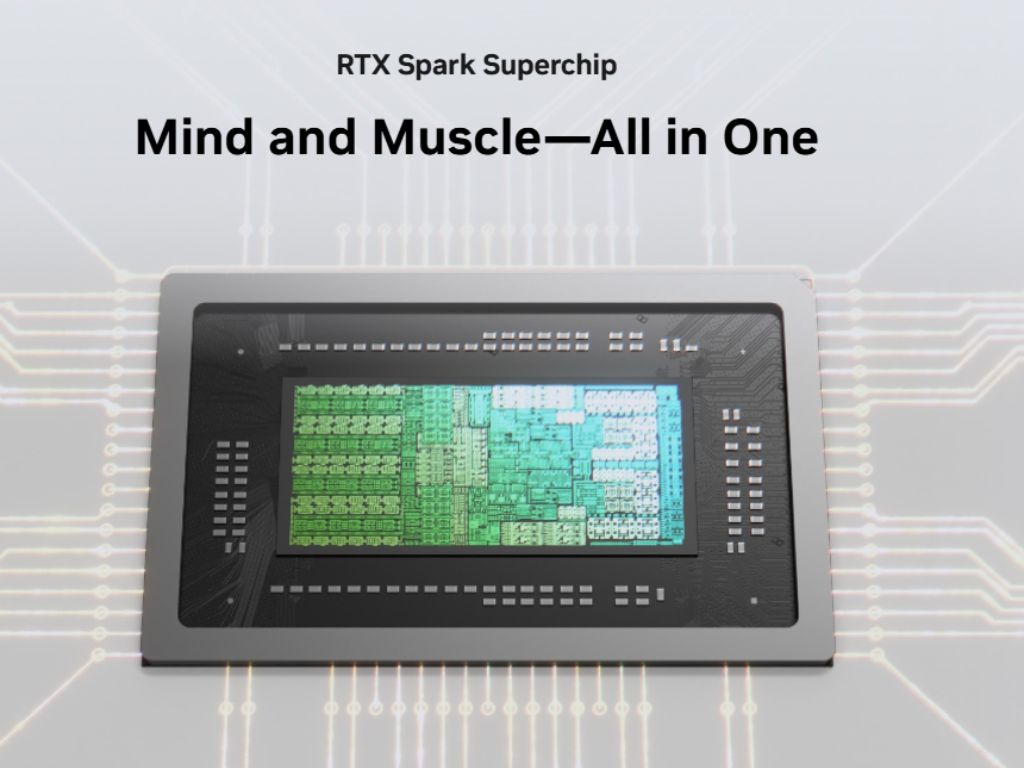
At Computex 2026, Nvidia introduced a compact version of its Arm-based Grace Blackwell technology designed for laptops and small desktops. The new chip, called the Nvidia RTX Spark Superchip SoC, is being positioned as a powerful foundation for next-generation AI PCs that can handle advanced workloads locally rather than relying heavily on cloud servers.
Microsoft is also moving in the same direction. During its Build 2026 developer event, the company demonstrated how agentic AI could help developers convert, test, and validate x86 applications so they run faster and more reliably on Arm-based Windows machines. The goal is to make Windows on Arm more practical for everyday users, professionals, and businesses that still depend on older software.
This matters because app compatibility has long been one of the biggest challenges for Windows on Arm PCs. While newer native Arm applications can deliver impressive performance and battery life, many legacy Windows programs were originally built for x86 processors. To bridge that gap, Microsoft uses technologies such as the Prism emulator, allowing older x86 apps to run on Snapdragon X laptops and future RTX Spark-powered systems.
Microsoft says the situation has already improved significantly. According to the company, around 90 percent of the time users spend on Windows on Arm PCs is now inside native applications, meaning those apps do not need a translation layer. That is an important milestone, but it does not mean the transition is complete.
Some older business tools, specialized professional software, and certain PC games still struggle under emulation. In some cases, performance is inconsistent. In others, the software may not run at all. Developers often need to manually adjust code to get the best results on Arm hardware, which can slow adoption and create frustration for users who expect their existing apps to simply work.
This is where Microsoft and Nvidia believe AI agents can make a major difference.
Instead of placing the full burden on developers, AI could help analyze app behavior, identify compatibility issues, suggest code changes, and validate whether software performs correctly after being modified. In theory, this could speed up the process of bringing older x86 applications to Arm-based Windows PCs while improving stability and performance.
Nvidia CEO Jensen Huang described the shift as a reinvention of the PC. Rather than simply clicking icons and typing commands, users will increasingly ask their computers to complete tasks. With RTX Spark and Windows working together, Nvidia sees a future where the PC becomes a more active assistant, capable of performing complex work across applications.
Microsoft CEO Satya Nadella also praised RTX Spark as a major step toward bringing powerful local AI to everyday computing. The broader vision is to make advanced intelligence available on personal computers without constantly depending on metered cloud services or remote data centers.
That local AI focus is important. Running AI tasks directly on a laptop or desktop can improve privacy, reduce latency, and make features available even when internet access is limited. It also gives users and businesses more control over their data, which is becoming increasingly valuable as AI becomes deeply integrated into productivity, creativity, gaming, and software development.
However, Microsoft is not suggesting that AI will instantly solve every compatibility problem. Some applications are too complex to be automatically fixed without human review. Software that uses strict security systems, low-level drivers, or anti-cheat technology may still need careful manual work. Games are a particularly sensitive area, since anti-cheat compatibility can determine whether popular titles are playable on new platforms.
Nvidia appears aware of that concern and has indicated that it aims to support at least some existing anti-cheat systems. That will be crucial if RTX Spark devices are expected to appeal to gamers as well as AI developers, creators, and professionals.
The bigger picture is clear: Microsoft and Nvidia want the next generation of Windows PCs to be defined by local AI performance, broader Arm compatibility, and smarter software tools that reduce the friction of moving beyond traditional x86 computing.
If the strategy works, future Windows laptops and compact desktops could offer better battery life, strong AI performance, improved app compatibility, and a more responsive user experience. For consumers, that could mean fewer worries about whether older apps will run. For developers, it could mean faster porting and testing. For businesses, it could make Arm-based Windows PCs a more realistic option at scale.
The transition will not happen overnight, and legacy software challenges will not disappear immediately. But with Microsoft pushing AI-powered development tools and Nvidia bringing high-performance Arm-based AI hardware to Windows PCs, the industry is clearly preparing for a major shift.
The PC is no longer being treated as just a machine that launches apps. Microsoft and Nvidia are building toward a future where the PC understands tasks, assists with software compatibility, runs advanced AI locally, and becomes a more capable partner in everyday computing.