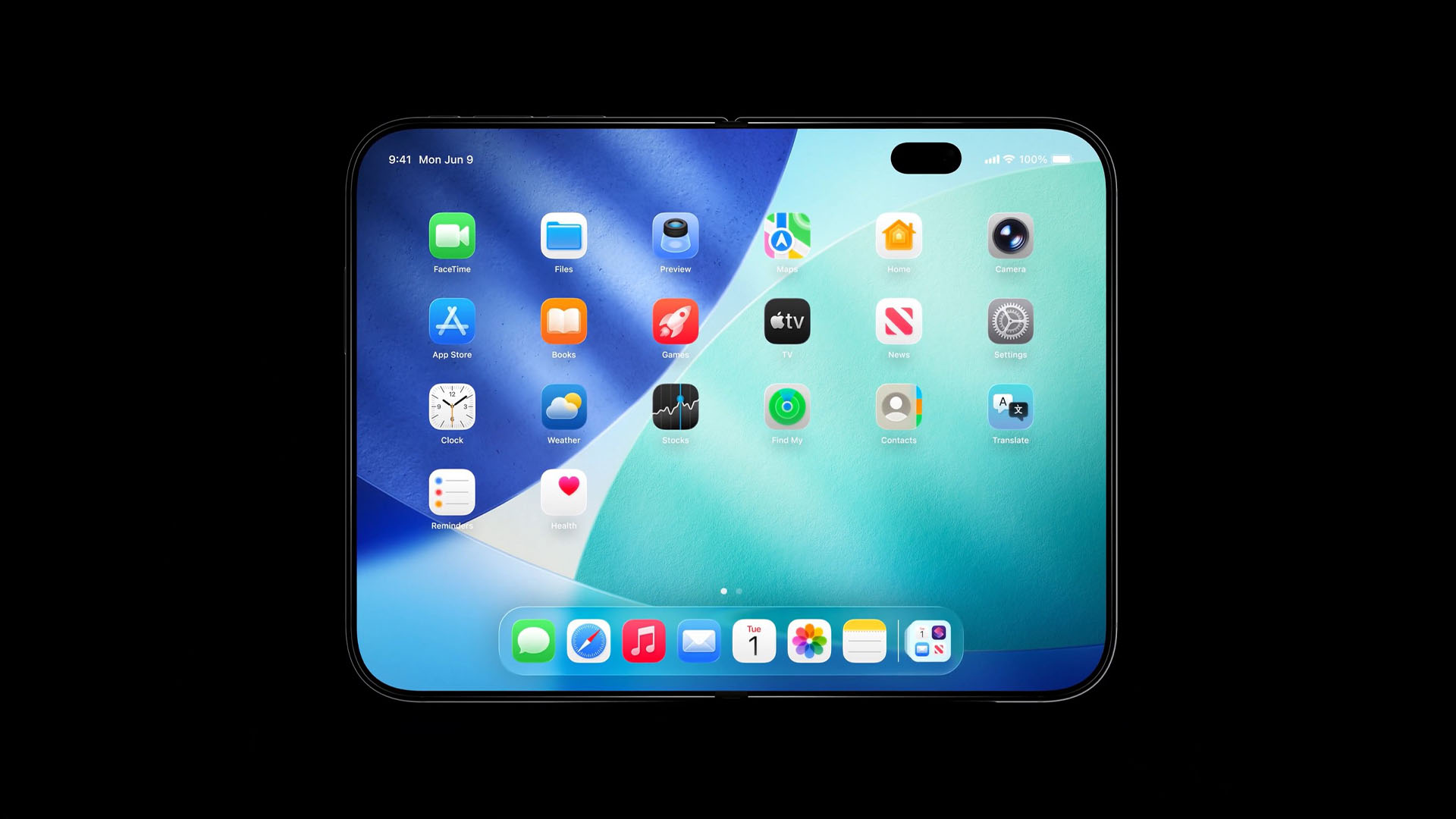
Apple’s First Foldable iPhone May Launch in Just One Color as Costs and Design Challenges Rise
Apple’s long-rumored foldable iPhone is shaping up to be one of the company’s most important product launches in years, but it may arrive with a surprisingly limited choice for buyers. According to a new leak, the upcoming iPhone Fold could launch in only one color: white.
That would be an unusual move for an iPhone. Apple typically offers its flagship models in several finishes, giving customers options that match their style or other Apple devices. However, the iPhone Fold is not expected to be a typical iPhone release. As Apple prepares to enter the foldable smartphone market for the first time, the company may be prioritizing durability, production efficiency, and premium engineering over color variety.
The latest information suggests that Apple’s initial shipment target for the iPhone Fold could be around 11 million units. That is relatively limited compared to standard iPhone launches, which makes sense given the complexity and cost of foldable phone manufacturing. Foldable smartphones require more advanced components, tighter engineering, and extensive durability testing, especially around the display and hinge system.
One of Apple’s biggest goals with the iPhone Fold is believed to be delivering a premium foldable experience with a nearly crease-free display. The company is also rumored to be using a liquid metal hinge, which could help improve long-term durability and create a smoother folding mechanism. These features are likely expensive and difficult to manufacture at scale, so offering only one color could help Apple simplify production and control costs.
A white finish may also be a practical choice. Apple already uses white as a signature look for products such as AirPods, and it remains one of the most recognizable colors in the company’s product lineup. More importantly, lighter colors can sometimes make scratches and scuffs less noticeable compared to darker finishes. With a foldable device that may use new materials and a more complicated chassis design, Apple may prefer a safer, cleaner color option for its first-generation model.
The leaked dummy unit reportedly shows a passport-style foldable design, suggesting the device may open like a small book. This form factor would place the iPhone Fold in direct competition with other book-style foldable smartphones, while still giving Apple room to refine the experience with iOS, multitasking features, and its ecosystem of apps and services.
The dummy model also appears to include a dual rear camera setup. While Apple’s non-folding flagship iPhones often focus heavily on camera upgrades, the first iPhone Fold may not be designed to offer the most advanced camera hardware in the lineup. Instead, Apple may focus on making the foldable design thin, reliable, and comfortable to use.
Another detail from the leak points to the placement of the volume buttons near the top. Foldable phones often require different button layouts due to their hinge systems, internal battery placement, and display structure. Apple may have to make several design compromises to balance usability with durability.
One of the biggest rumored trade-offs could be the absence of Face ID. Due to the design challenges involved in building a foldable iPhone, Apple may skip its facial recognition system on this model. If true, that decision could disappoint some buyers, especially those who have come to rely on Face ID as a core part of the iPhone experience. Apple could instead use another biometric solution, such as a fingerprint sensor, though details remain unconfirmed.
Battery life, however, may be one of the iPhone Fold’s stronger selling points. Rumors suggest the device could feature a battery capacity between 5,400mAh and 5,800mAh. If accurate, that would be large for an iPhone and could help the foldable model deliver strong endurance despite powering a larger internal display. Battery performance will be especially important for users who expect to use the iPhone Fold for multitasking, streaming, gaming, productivity, and travel.
Apple’s cautious approach is understandable. Foldable smartphones have been available for years, but the category still faces challenges. High prices, visible screen creases, hinge durability concerns, and expensive repairs have kept many buyers from switching. Apple is entering this segment later than its rivals, but that also gives the company time to study the market and avoid common first-generation problems.
By limiting the iPhone Fold to one color, Apple may be signaling that this device is more about engineering than customization. Early adopters may not get the same range of finishes expected from the iPhone 18 lineup, but they could be getting a more carefully tested product with fewer production risks.
The iPhone Fold is expected to be a premium device with a premium price, and Apple will need to convince buyers that its version of a foldable phone is worth waiting for. A crease-resistant display, durable hinge, strong battery life, and polished software experience could matter far more than color options in the first generation.
Still, the lack of color variety may divide potential customers. Some Apple fans enjoy coordinating their iPhone with accessories, watches, tablets, or laptops. A white-only iPhone Fold would limit that personal touch. But for buyers mainly interested in owning Apple’s first foldable iPhone, the finish may be less important than the technology inside.
If the leak is accurate, Apple’s first foldable iPhone could arrive as a highly controlled launch with limited units, one color, and a strong focus on build quality. That strategy may help Apple manage production costs while delivering a device that feels refined from day one. For a product category where durability and design execution matter so much, playing it safe may be exactly the right move.