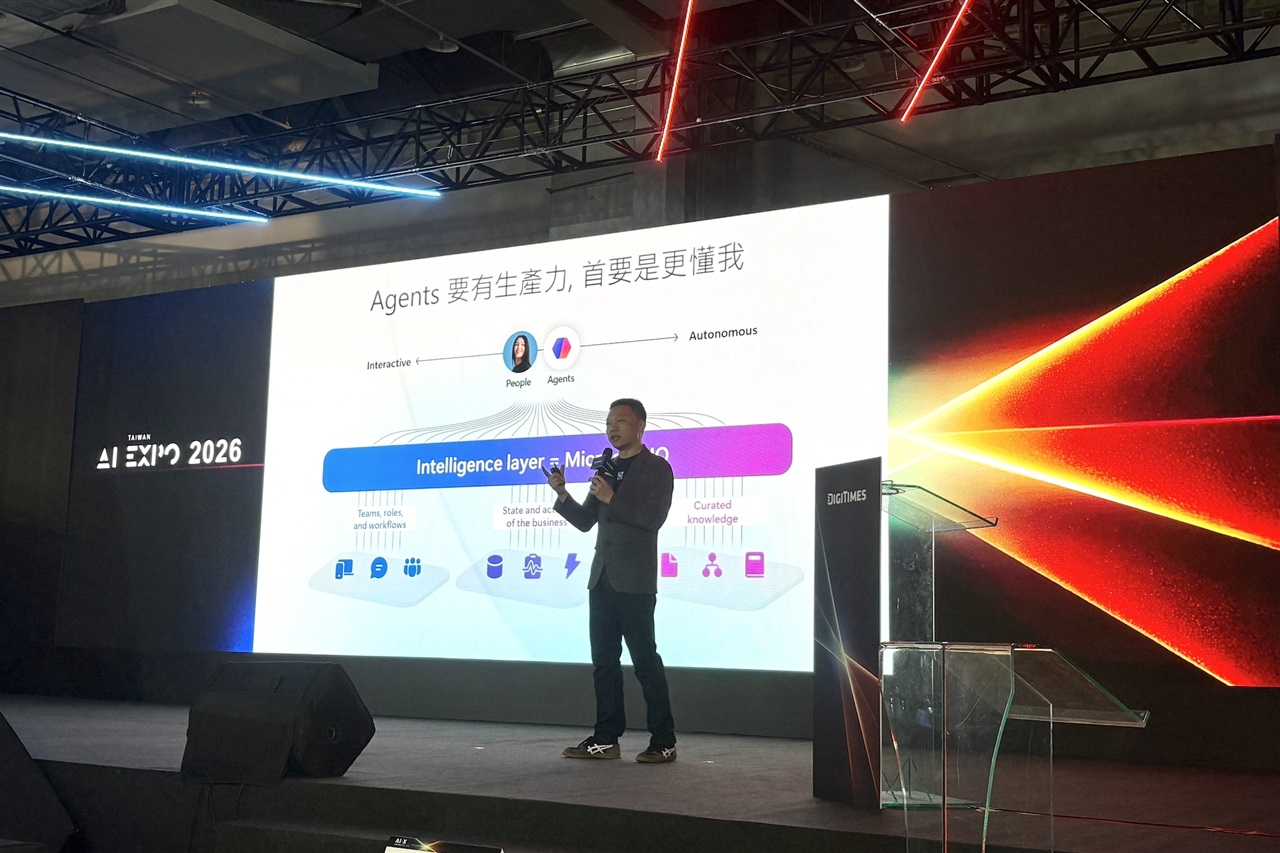
Vic Wu, General Manager of the Specialist Team Unit (STU) at Microsoft Taiwan, believes the “exploratory AI” phase is officially behind us. As the industry moves into the second quarter of 2026, the conversation has shifted in a meaningful way: businesses aren’t debating whether artificial intelligence delivers real results anymore. Instead, they’re facing a faster, more practical challenge—how to manage a growing wave of digital labor that’s becoming part of the global workforce.
This marks a turning point for companies of every size. Early AI adoption was often experimental, with teams testing chatbots, automation tools, and machine learning features to see what stuck. Now AI is increasingly being treated like a workforce multiplier—something that can perform tasks, support employees, and scale operations. The key issue is no longer “Can AI do this?” but “How do we organize, oversee, and measure what AI is doing across the business?”
Wu’s framing highlights an emerging reality: organizations are beginning to manage AI not just as software, but as a new category of labor. That means leaders will need clearer strategies for assigning work to AI systems, ensuring quality and accuracy, monitoring performance, and aligning outcomes with business goals. As digital labor expands, governance and operational control become just as important as innovation.
With AI entering a more mature stage, the competitive advantage may shift toward the companies that can deploy AI effectively at the front line—where real workflows happen—while maintaining oversight, accountability, and consistency. In this next phase of enterprise AI, success will favor those who can turn digital labor into dependable, day-to-day productivity rather than isolated experiments.