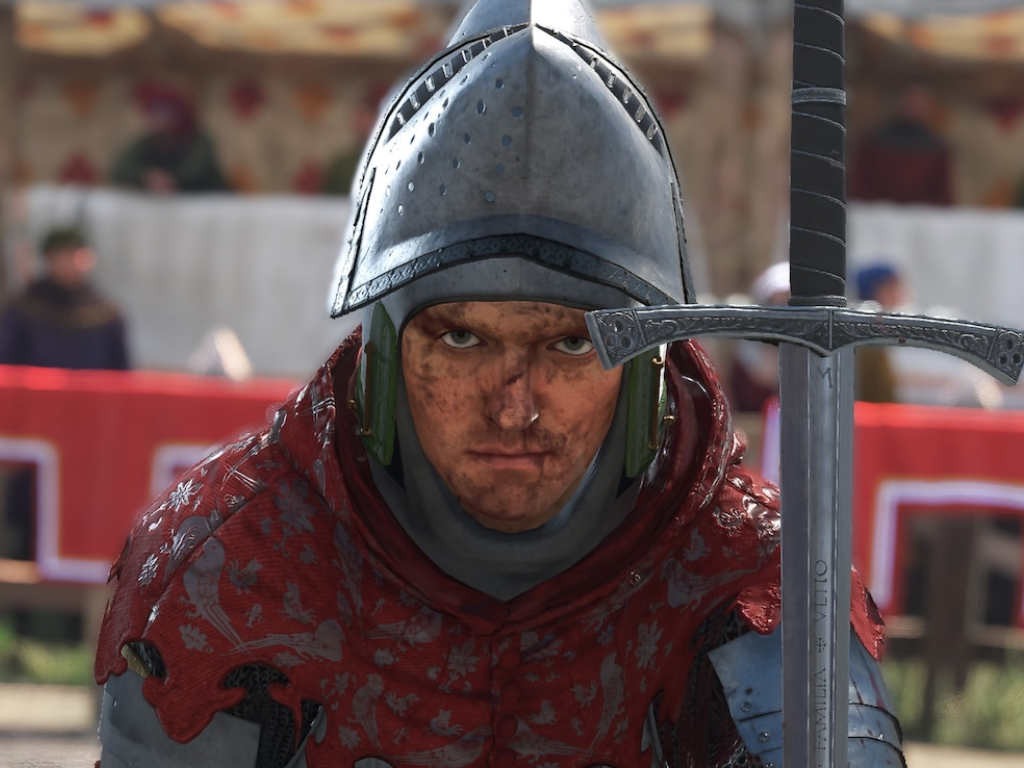
Daniel Vávra, the creative director best known for the medieval hit Kingdom Come: Deliverance 2, is stepping into the spotlight for a different reason: defending Nvidia’s DLSS 5 as online backlash continues to pile up.
Even though Vávra has reportedly taken a step back from day-to-day work at Warhorse Studios to focus on a Kingdom Come: Deliverance film adaptation, he still weighed in on one of the biggest graphics debates right now. After Nvidia revealed DLSS 5 at GTC 2026, the company positioned it as a major leap forward for RTX 50-series GPUs, built around “neural rendering” designed to enhance lighting and fine detail without crushing performance.
The problem, at least from the gaming community’s perspective, is that the early DLSS 5 demos didn’t land the way Nvidia likely hoped. Footage shown in titles such as Starfield, Resident Evil: Requiem, The Elder Scrolls: Oblivion Remastered, and Assassin’s Creed: Shadows drew criticism for an overly processed look that many viewers described as uncanny. Social media quickly filled with jokes and harsh takes, with some labeling the output “AI slop” and comparing it to an unnecessary beauty filter.
Vávra doesn’t see it that way. After reposting DLSS 5 footage on X, he argued that the technology is still in its early stages and that the current look is more of a rough beginning than a final verdict on what DLSS 5 will ultimately deliver. In his view, it’s the kind of tool that will improve rapidly once developers learn how to tune it properly.
He also suggested a future where studios can train the technology to better match specific art styles or even particular faces, and he floated the idea that neural rendering could eventually reduce the industry’s dependence on expensive ray tracing techniques. In other words, he believes DLSS 5 could evolve into something that doesn’t just boost frame rates, but fundamentally changes how certain visual effects are achieved.
Vávra’s core message is blunt: he doesn’t think criticism will slow this down. He expects adoption to continue because the potential benefits are too big for developers and hardware makers to ignore. He also emphasized that what people are reacting to now is an early, slightly uncanny phase—something he believes will look far better once it’s refined for real-world releases expected later this year for RTX 50-series users.
Interestingly, this isn’t the first time he’s talked publicly about AI-related tech. He previously admitted he wasn’t a fan of AI-generated art. Now, his tone has shifted toward realism: the technology is coming whether people like it or not, and creators will have to adapt and learn how to shape it to fit their games, rather than letting it shape the games for them.
For gamers watching the DLSS 5 conversation unfold, the split is clear. Critics see early demos as proof the tech makes games look strange and over-processed. Supporters like Vávra see an inevitable transition period—an awkward start to a tool that could eventually become standard in modern rendering pipelines.


