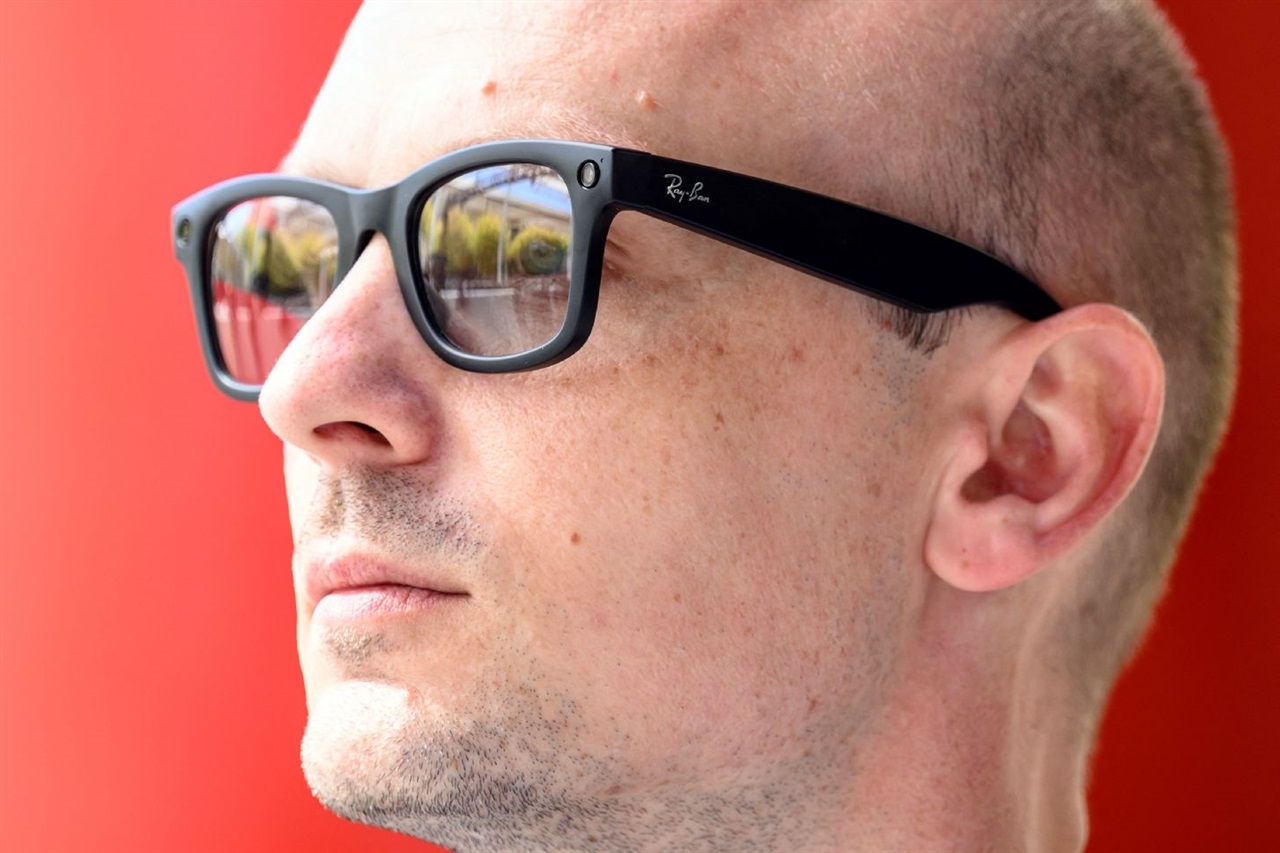
Meta flags a short-term dip in Reality Labs revenue as AI glasses gather momentum
Meta Platforms is signaling a year-over-year decline in fourth-quarter revenue for Reality Labs, the division behind Quest headsets and the company’s growing lineup of AI-powered glasses. The company attributes the expected slowdown largely to the timing of product launches and the way sales are recognized in its accounting, not a fundamental shift in its long-term strategy.
In practical terms, Meta expects softer sales of Quest headsets to more than offset continued gains in its artificial intelligence glasses segment. That mix shift highlights a pivotal moment for the business: while the virtual reality category faces a slower upgrade cycle, wearable AI is emerging as a bright spot with rising consumer interest.
Why timing and sales recognition matter:
– Product launch schedules can pull demand forward or push it later, making year-over-year comparisons choppy from one quarter to the next.
– Revenue recognition rules can move reported sales out of a given period, even when underlying demand is steady, creating temporary dips that don’t necessarily reflect long-term momentum.
Quest headsets remain the most visible part of Reality Labs, but the market for VR hardware can be cyclical. Consumers often wait for clear performance leaps or compelling new content before upgrading. Against that backdrop, Meta’s note that lower Quest sales are weighing on the quarter suggests a pause rather than a pivot, especially as the company points to strength elsewhere.
The AI glasses segment is heading in the opposite direction. Wearable AI is gaining traction thanks to hands-free access to assistants, on-the-go capture and sharing, and lightweight designs that fit seamlessly into daily life. Continued growth here indicates rising mainstream interest in augmented and assisted reality experiences, even as traditional VR goes through a quieter phase.
What this means for Meta and the market:
– Short-term revenue noise doesn’t change the long-term bet on spatial computing. It underscores how crucial launch timing and product cycles are for hardware-heavy businesses.
– A growing AI glasses category could help diversify Reality Labs’ revenue base beyond headsets, broadening the appeal of its ecosystem to everyday users, creators, and developers.
– For consumers, expect more emphasis on AI-first features, tighter integration with social and productivity apps, and a focus on comfort and battery life in wearables.
What to watch next:
– The next wave of hardware announcements and how their timing aligns with key shopping periods.
– Software updates and developer tools that expand use cases for both VR and AI glasses.
– Pricing and bundle strategies that could reignite interest in headsets while sustaining momentum in wearables.
Bottom line: Meta is bracing for a year-over-year fourth-quarter revenue decline at Reality Labs, driven by launch timing and accounting factors, with softer Quest headset sales outweighing strength in AI glasses. The near-term dip doesn’t obscure the broader trend—wearable AI is gaining speed, and Meta is leaning into that growth while it readies the next chapter for immersive hardware.


