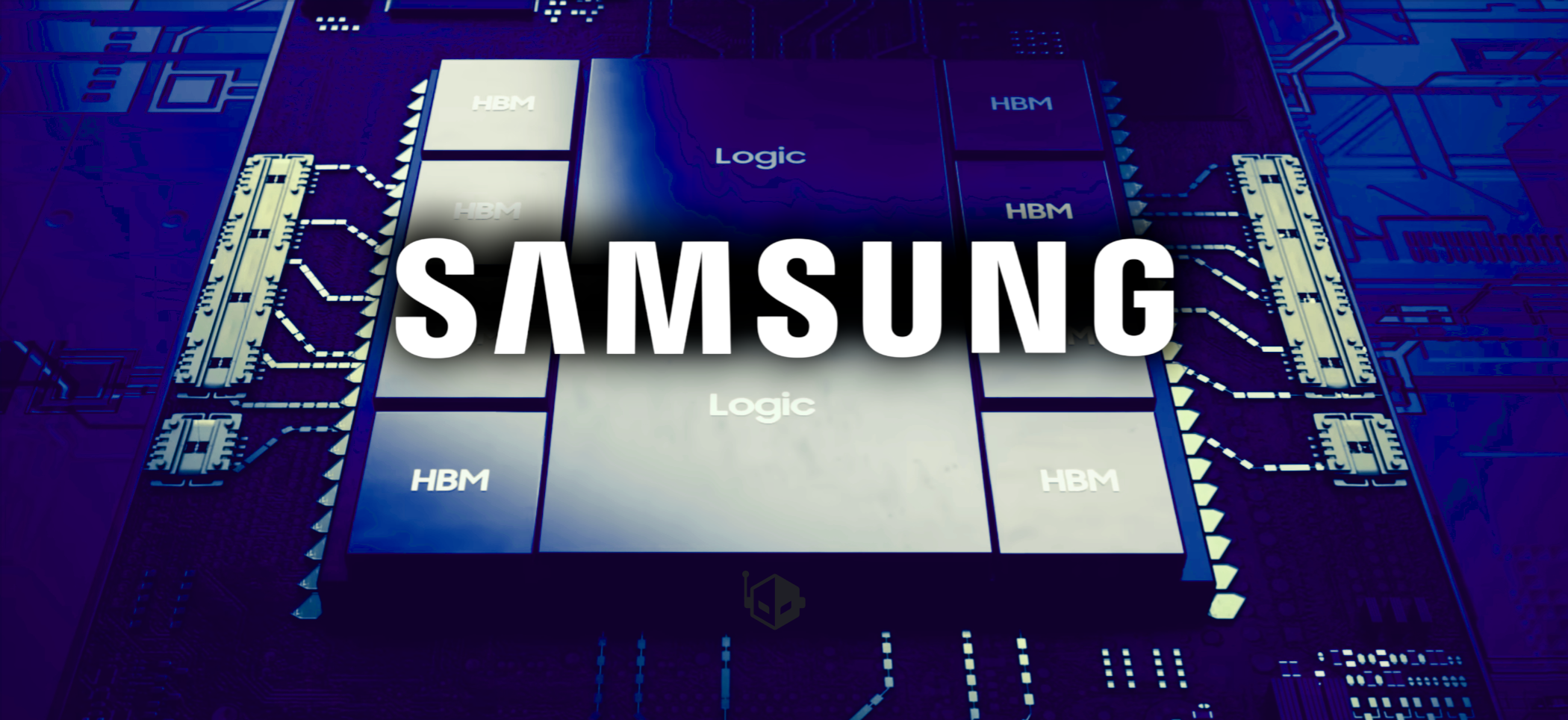
Samsung is gearing up for a major leap in memory and foundry technology, setting the stage for a busy 2026 with HBM4 mass production, 24Gb GDDR7 DRAM, 128GB-and-higher DDR5 modules, and a stable supply of 2nm GAA chips. The momentum follows a strong Q3 2025, where the company reported KRW 86.1 trillion in revenue, up 15.4% quarter-over-quarter, with its Memory division hitting an all-time quarterly sales high thanks to surging demand for HBM3E and server SSDs driven by AI.
The next wave is already being teed up. Samsung recently unveiled its HBM4 solution, delivering up to 11 Gbps per IC and targeting the next generation of AI accelerators from leading chipmakers, including platforms like Rubin and MI400. Samples are reportedly in the hands of AI chip partners for evaluation and qualification, signaling that the HBM4 era is closer than many expected.
On the manufacturing front, Samsung plans to ramp mass production of 2nm Gate-All-Around process technology in Q4 2025, with a focus on boosting fab utilization and reducing costs. In 2026, the foundry business will prioritize a stable supply of 2nm GAA products and the HBM4 base die, alongside the timely start of operations at the company’s new fab in Taylor, Texas. The 2nm node is also poised to power next-gen mobile platforms, including future Exynos and Snapdragon systems-on-chip.
The memory roadmap is equally aggressive. Through Q4 2025, Samsung will lean into demand from AI and traditional servers with HBM3E, high-density enterprise SSDs, and high-value server memory, including 128GB-and-higher DDR5 and 24Gb GDDR7. In 2026, mass production of differentiated HBM4 is the centerpiece, backed by capacity expansion on the 1c node. The company will also scale sales of DDR5, LPDDR5X, and high-density QLC SSDs to meet rapidly growing AI workloads across data centers and edge devices.
On the graphics and AI accelerator side, GDDR7 is set to stay in the spotlight for high-performance consumer GPUs and AI-oriented graphics cards. New platforms such as the Rubin CPX GPU, along with other next-gen AI and gaming products like potential RTX 50 “SUPER” models and future Radeon refreshes, are expected to adopt GDDR7. The shift to 24Gb DRAM dies will boost VRAM capacities and help balance product stacks in the entry-to-mainstream segments.
One downside of the AI boom is its impact on consumer pricing. With capacity heavily prioritized for AI, DDR5 memory kits and SSDs have already seen noticeable price hikes and tightening availability. Major DRAM suppliers have signaled higher pricing for both DDR5 and DDR4, so the next few months could be bumpy for PC builders and upgraders as the market recalibrates.
Key takeaways:
– HBM4 heads to mass production in 2026, with up to 11 Gbps per IC and a clear focus on AI accelerators.
– 2nm GAA ramps in late 2025, with stable 2026 supply and the Taylor, Texas fab coming online.
– 128GB+ DDR5 and 24Gb GDDR7 are central to the 2026 portfolio for servers, GPUs, and AI devices.
– Expect strong demand for DDR5, LPDDR5X, HBM3E, and high-density QLC SSDs across AI and cloud markets.
– Consumers may face higher DDR5 and SSD prices as supply prioritizes AI through 2025–2026.
With AI compute growth accelerating and new server platforms from AMD and Intel due in the second half of 2026, Samsung’s roadmap places it squarely at the center of the next big upgrade cycle in data centers, AI infrastructure, and high-end graphics.