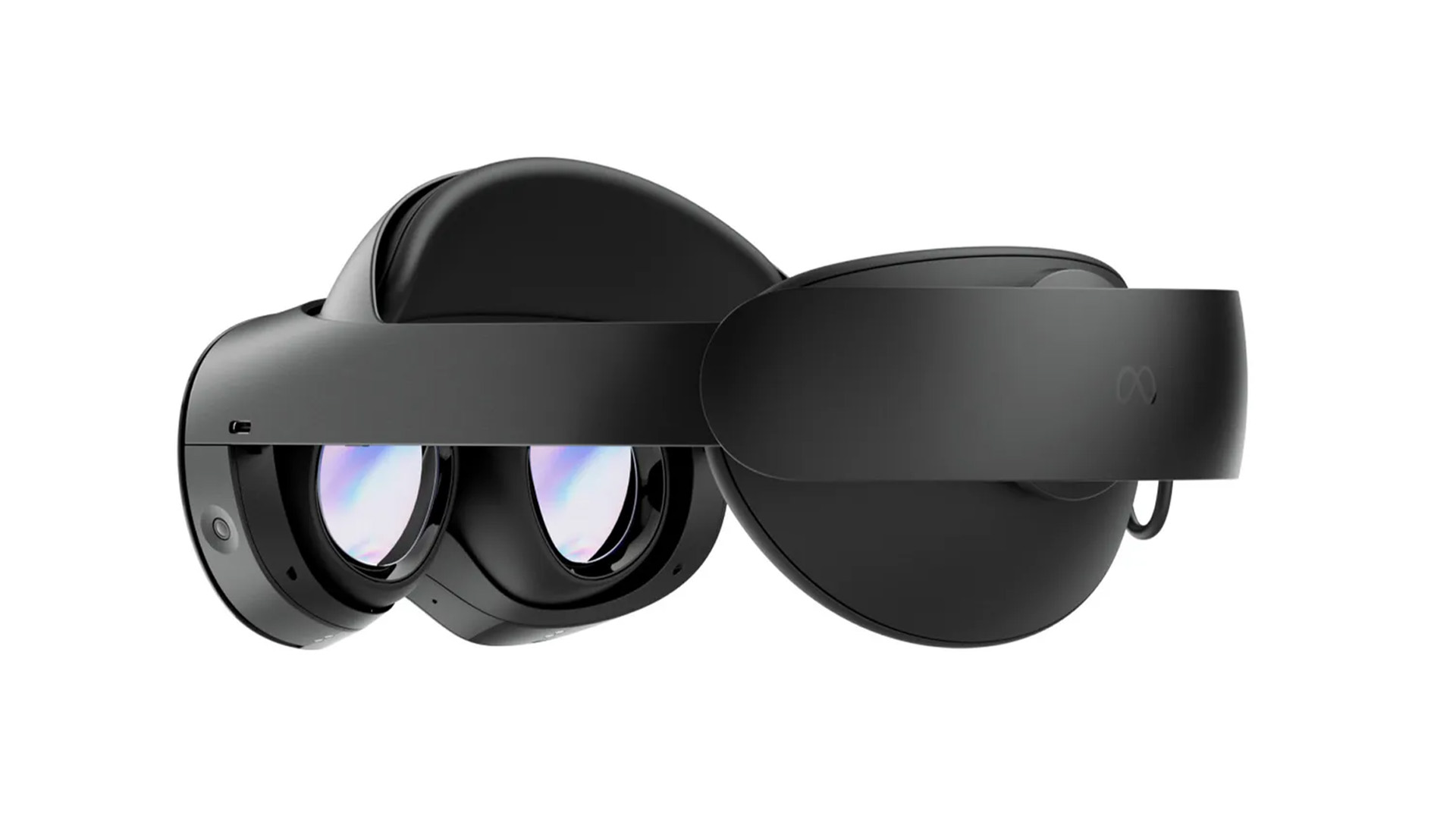
Meta Platforms Inc., formerly known as Facebook, has reportedly halted efforts on a high-end augmented reality (AR) headset that was to compete with Apple’s Vision Pro. This change in strategy comes as Meta’s CEO, Mark Zuckerberg, reassesses the product’s outlook after taking note of the sluggish sales performance of Apple’s pricey AR device.
It appears that Meta aimed to rival the Apple Vision Pro with an AR headset priced around $1,000—a significant reduction from Apple’s $3,499 offering. However, the underwhelming sales figures for the expensive Apple Vision Pro, which hadn’t surpassed 100,000 shipments in the U.S., led to the reassessment. Observing the market’s reaction, Zuckerberg seemingly concluded that Meta’s device might not fare any better.
The scrapped premium AR headset from Meta was expected to boast high-resolution micro-OLED panels, similar to those in the Apple counterpart, and the tentative launch was projected to be years down the line around 2027. But concerns over the steep costs of the micro-OLED technology, which are speculated to have contributed heavily to the Apple device’s production costs, possibly factored into the decision to shelve the project.
Meta is instead continuing the advancement of the Quest line, with sights set on the release of the Meta Quest 4, a follow-up to the Quest 3. This move aligns with Meta’s intent to solidify its position in the more budget-friendly segment of the mixed-reality headset market.
The decision could also stem from the lukewarm reception of Meta’s own high-end endeavor, the Meta Quest Pro, which launched at $1,499 and did not achieve the expected market impact. It seems that high-priced AR headsets are struggling to gain market traction, prompting companies like Apple and Meta to rethink their strategies.
Apple is reportedly working on a more affordable version of its AR headset, anticipated to launch in 2025, but the tech giant is facing challenges in reducing the price while maintaining key features. Ming-Chi Kuo, an analyst at TF International Securities, stated that even if Apple succeeds in solving the pricing issue, the AR headset’s limited utility might not justify its cost in consumers’ eyes. This consumer sentiment is driving purchasers to allocate funds to other Apple products that offer more value, such as iPhones or MacBooks.
As Meta redirects its focus, it seems committed to developing mixed-reality headsets that are more accessible price-wise and enhancing its software ecosystem. By introducing new applications and improvements, Meta hopes to widen the consumer appeal and ensure that future headset releases are more aligned with market demand and user preferences.


