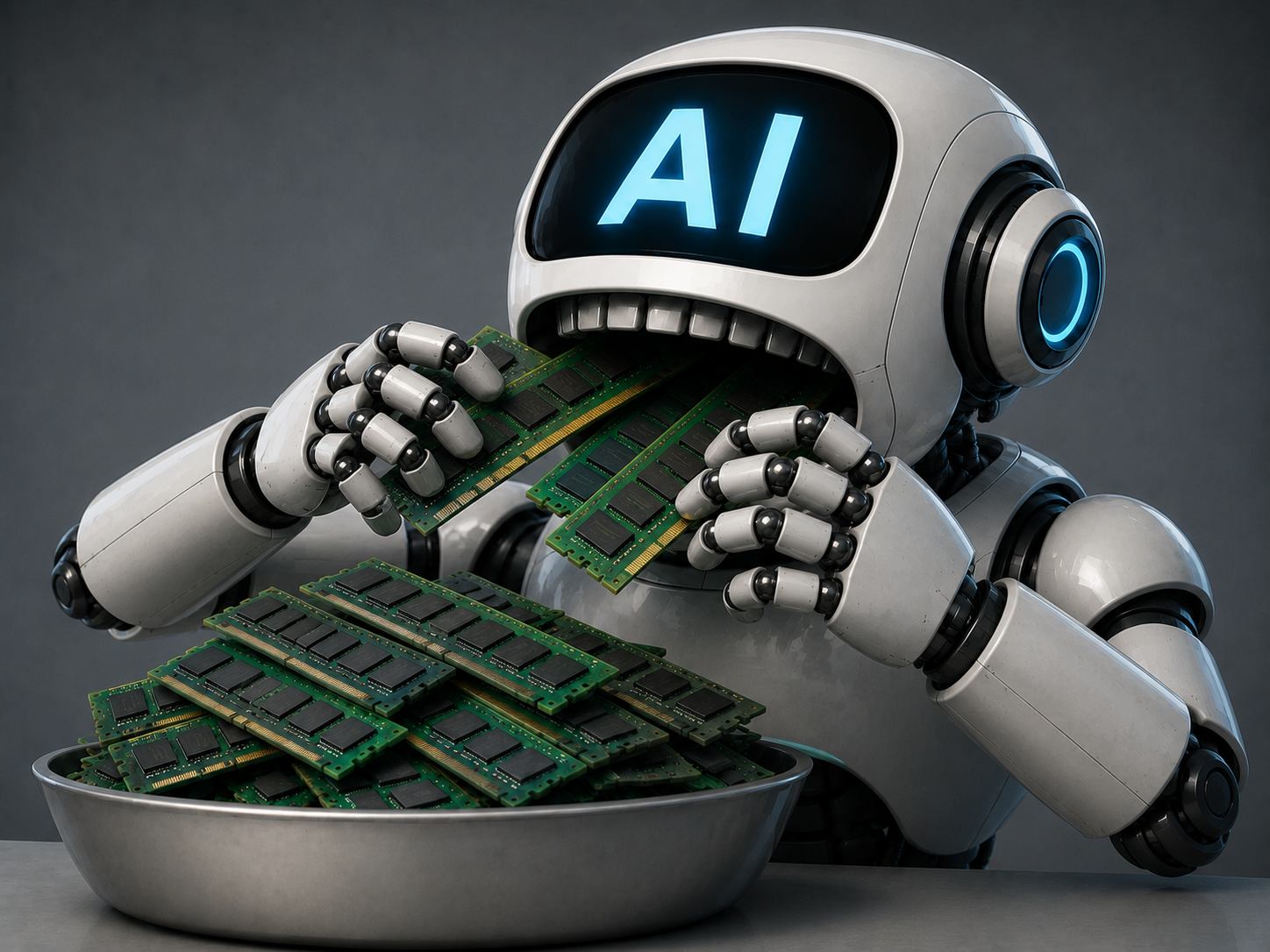
AI Memory Chip Boom Sends Micron and SK Hynix Into the Trillion-Dollar Spotlight
The memory chip market has gone from overlooked to red-hot almost overnight, and artificial intelligence is the reason. What was once considered one of the slower, lower-margin corners of the semiconductor industry is now becoming one of the most important battlegrounds in global technology.
Just two years ago, RAM and storage chips were struggling with weak demand, falling prices, and excess inventory. Today, the situation looks completely different. The explosive growth of AI data centers, AI servers, and high-performance computing has created massive demand for advanced memory technology, pushing major chipmakers to new financial highs.
Micron Technology and SK Hynix recently crossed a major trillion-dollar valuation milestone within just 24 hours of each other, joining Samsung, which had reached the same level weeks earlier. For the first time, the world’s three largest memory chip producers have simultaneously achieved one of the highest valuation tiers in the stock market.
Micron’s stock surged 19% in a single trading session, marking its biggest one-day jump since 2011. The rally followed a major reassessment from investment analysts, who dramatically increased their valuation outlook for the company. SK Hynix has also seen strong momentum, driven by investor confidence in the future of AI memory demand.
At the center of this boom is HBM, or High Bandwidth Memory. This specialized memory is essential for advanced AI processors, especially GPUs used in large-scale artificial intelligence training and data processing. AI systems require enormous amounts of data to move quickly between processors and memory. Without HBM, many of the world’s most powerful AI systems would not be able to operate efficiently.
This has turned HBM into one of the most valuable components in the AI supply chain. As companies race to build bigger AI models, more powerful servers, and larger data centers, demand for high-performance memory continues to rise sharply.
Micron’s recent financial performance reflects this shift. The company reported revenue of $23.9 billion for the second quarter of 2026, a massive 196% increase compared with the same period a year earlier. Its revenue forecast for the next quarter is even higher, with expectations reaching around $33 billion.
While this is excellent news for chipmakers and investors, it may not be so positive for everyday consumers.
As manufacturers prioritize AI-focused memory such as HBM, less production capacity is available for traditional DRAM and NAND chips. These are the memory and storage components used in laptops, desktop PCs, smartphones, tablets, gaming devices, and many other consumer electronics.
The result is a tightening supply of conventional memory chips. When supply shrinks and demand remains strong, prices usually rise. That means consumers may soon pay more for computers, phones, SSDs, and other devices that rely on DRAM and NAND storage.
Industry leaders have already warned that demand could continue to exceed supply for several more years. Dell CEO Michael Dell has said the pressure on memory supply may last until at least 2028. If that forecast proves accurate, the global technology market could face higher component costs for an extended period.
This could affect everything from budget laptops to premium smartphones. PC makers may have to raise prices, reduce storage configurations, or absorb higher manufacturing costs. Smartphone brands could face similar pressure as memory becomes more expensive. Even gamers and PC builders may notice higher prices for RAM kits and SSDs.
The AI revolution is creating enormous opportunities for semiconductor companies, but it is also reshaping the entire electronics supply chain. Memory chips are no longer just basic components hidden inside devices. They are now strategic assets powering the next generation of artificial intelligence.
For Micron, SK Hynix, and Samsung, the AI boom has transformed the outlook for their business. For consumers, however, the same boom could mean more expensive gadgets, tighter availability, and a longer wait before memory prices stabilize.
The message is clear: AI is not only changing software, search, cloud computing, and automation. It is also changing the price and availability of the hardware people use every day.