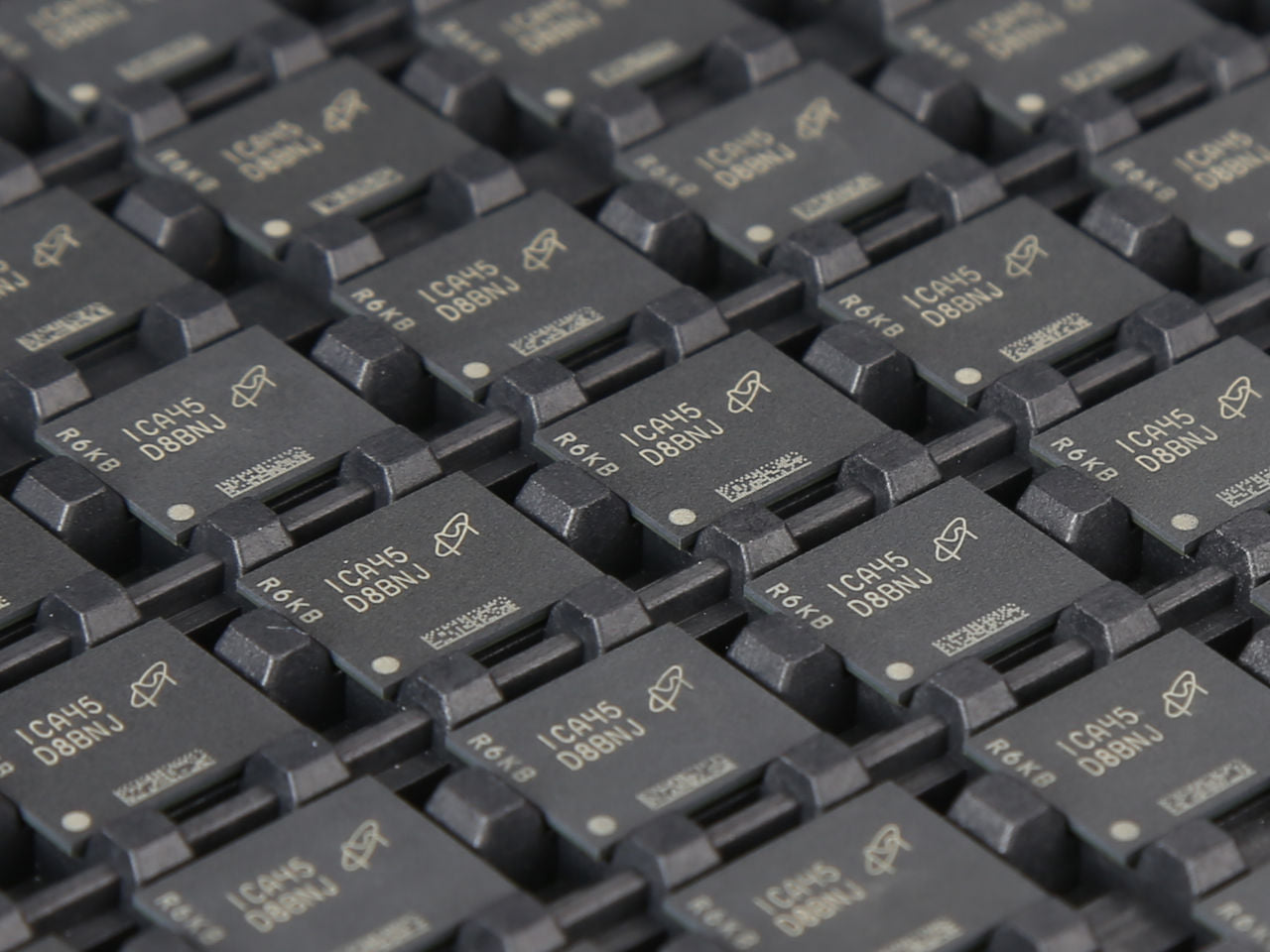
Memory manufacturers are having a breakout moment thanks to surging AI infrastructure demand, posting profits in a single quarter that rival or even exceed what they earned across entire previous years. While that’s great news for companies that sell DRAM and NAND, it also helps explain why PC components and storage products have been getting more expensive for everyday buyers.
One of the biggest standouts is ADATA, which reported profits jumping 17 times year over year, with gross margins climbing to 55.69%. And ADATA isn’t alone. Other established memory and storage players including Macronix, Apacer, Team Group, and Nanya Tech are also reporting record revenue and healthier margins, driven largely by the same market forces: intense demand and constrained supply.
What’s driving the memory price surge and profit boom?
Two major factors are reshaping the memory market right now:
First, AI data centers are consuming enormous amounts of memory. Training and running large-scale AI models requires servers packed with DRAM, and the appetite keeps growing as companies expand their AI clusters. That demand doesn’t just raise quarterly sales; it tightens supply across the industry.
Second, memory supply remains limited, and when supply is tight, prices move up fast. Manufacturers and suppliers can raise prices significantly when buyers are competing for available inventory. The result is a strong revenue lift for memory makers and rising costs that ripple out into consumer products.
ADATA’s chairman, Chen Libai, described the company’s first-quarter performance as only the beginning, suggesting the market is settling into a “new normal” where tight supply persists over the long term. He pointed to several stress points that make a quick return to cheaper memory unlikely, including the shifting balance between DDR4 and DDR5 supply and ongoing shortages of high bandwidth memory (HBM), which is especially important for AI accelerators and advanced computing workloads. Taken together, the message is clear: DRAM pricing pressure may stick around rather than easing in the near future.
Older memory tech isn’t going away, and that matters
Another notable shift is how the industry is reorganizing production. As the biggest memory manufacturers prioritize higher-end, higher-margin products, smaller (but still significant) companies are stepping in to produce “older” memory technologies. Even if those products aren’t the latest generation, they’re still widely used across countless systems and markets, which keeps demand alive and gives secondary suppliers room to grow.
It’s not just DRAM: NAND flash prices are rising too
DRAM isn’t the only area under pressure. NAND flash is also seeing upward momentum as SSD and enterprise SSD demand increases. ADATA has indicated it prepared by stockpiling NAND wafers, but the broader trend is that compute growth keeps outpacing expectations, making it difficult for any single company’s inventory strategy to fully offset market-wide supply constraints.
Adding to uncertainty, Samsung is expected to face up to a 4% disruption in DRAM and NAND output due to an upcoming 18-day labor strike. Even a small production hit can tighten an already stressed supply chain, especially when demand is elevated.
Higher memory prices could hit consumers harder in 2026
Perhaps the most concerning detail for shoppers and PC builders is that memory and storage makers have reportedly warned partners about a possible 40% price hike around the second quarter of 2026. If that plays out, it could mean noticeably higher prices for products like SSDs, laptops, graphics cards (which can be impacted indirectly through broader component pricing), and many other devices that rely on DRAM and NAND.
For memory makers, the AI boom is delivering historic profitability. For consumers, it likely signals more sticker shock ahead—especially if supply remains tight and AI infrastructure continues to soak up a growing share of global memory production.