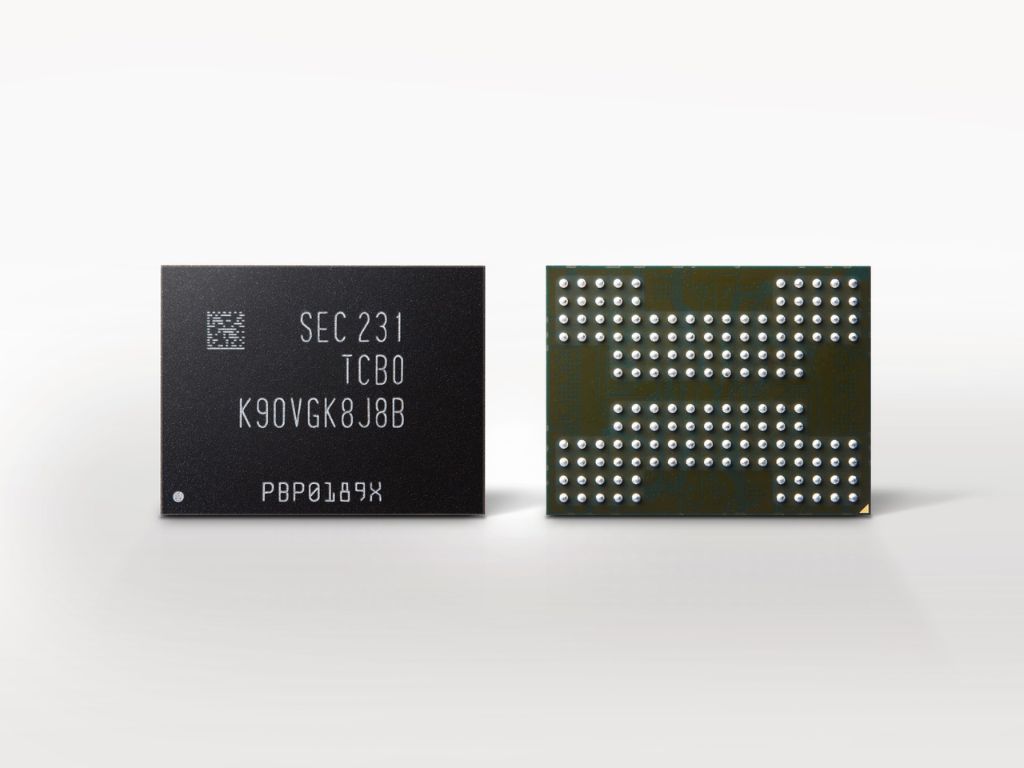
Samsung, Micron, and SK Hynix are facing a major legal challenge after being accused of working together to restrict the supply of consumer DRAM, the memory used in PCs, laptops, smartphones, gaming consoles, and RAM sticks.
A federal class-action lawsuit was filed on June 25, 2026, in the U.S. District Court for the Northern District of California. The case claims that the three memory giants, which together control around 90% of the global DRAM market, deliberately reduced production of mainstream DDR3, DDR4, and DDR5 memory while shifting more manufacturing capacity toward high-bandwidth memory, known as HBM.
HBM has become one of the most in-demand components in the tech industry because it is widely used in AI servers, data centers, and enterprise hardware. As artificial intelligence companies and hyperscale cloud providers compete for faster memory, HBM has become far more lucrative than traditional consumer RAM.
The lawsuit argues that Samsung, Micron, and SK Hynix took advantage of this demand by prioritizing AI-focused memory at the expense of everyday DRAM buyers. Plaintiffs claim this move helped create the ongoing consumer memory shortage, driving RAM prices dramatically higher for ordinary customers and small businesses.
According to the complaint, consumer DRAM prices have surged by as much as 700% over four years. The plaintiffs describe the situation as a “RAMpocalypse,” referring to the sharp price increases affecting PC builders, gamers, repair shops, console makers, and electronics manufacturers.
The case was brought by 14 individuals and three small PC businesses. They allege that the companies reduced conventional DRAM output “in defiance of all economic and business logic,” arguing that the decision only makes sense if the manufacturers acted together to control supply and raise prices.
A key part of the lawsuit focuses on how difficult it is for new competitors to enter the DRAM industry. Building a modern memory fabrication plant can cost between $15 billion and $20 billion, and such facilities take years to complete. Because of those enormous barriers, the plaintiffs argue that Samsung, Micron, and SK Hynix face little immediate competitive pressure, giving them significant control over global memory supply.
The lawsuit is seeking class-action status, damages, and an injunction aimed at preventing future alleged price-fixing behavior.
Micron’s exit from the consumer DRAM business is also highlighted in the complaint. In December 2025, Micron publicly announced that it would leave the Crucial consumer business, a move the lawsuit references as especially significant because it came during what plaintiffs describe as one of the company’s most profitable periods.
At the time, Micron said the decision was driven by rising demand from data centers and AI customers. The company stated: “The AI-driven growth in the data center has led to a surge in demand for memory and storage. Micron has made the difficult decision to exit the Crucial consumer business in order to improve supply and support for our larger, strategic customers in faster-growing segments.”
For consumers, the impact of rising DRAM prices is already being felt across the technology market. Memory is a core component in almost every modern device, so higher RAM costs can ripple through everything from gaming PCs and laptops to smartphones and consoles.
Gaming hardware has been one of the most visible areas affected by component price increases. Console makers have already adjusted prices in response to rising production costs. Nintendo, for example, is raising the price of the Switch 2 by $50, moving it from $449.99 to $499.99.
Nintendo President Shuntaro Furukawa previously pointed to higher memory and component costs as part of the reason for ongoing pricing pressure. He said the recent surge in memory prices, changes in the broader market, foreign exchange trends, and oil prices are all factors expected to continue over the medium to long term.
For PC builders, the situation is particularly frustrating. RAM has traditionally been one of the easier components to upgrade, but the sharp rise in DDR4 and DDR5 prices has made new builds and upgrades more expensive. Small PC businesses are also feeling the squeeze, as higher component costs can reduce margins and make systems less affordable for customers.
The lawsuit could become an important test of how regulators and courts view the memory industry’s shift toward AI-focused production. Demand for HBM is real and continues to grow rapidly, but the plaintiffs argue that the world’s largest DRAM suppliers went too far by allegedly coordinating supply decisions in a way that harmed consumers.
Samsung, Micron, and SK Hynix have not been found liable, and the claims still need to be proven in court. However, the case arrives at a time when consumer frustration over RAM prices is growing, and the outcome could have major implications for the future of memory pricing, PC hardware costs, and the balance between AI infrastructure and consumer technology supply.


