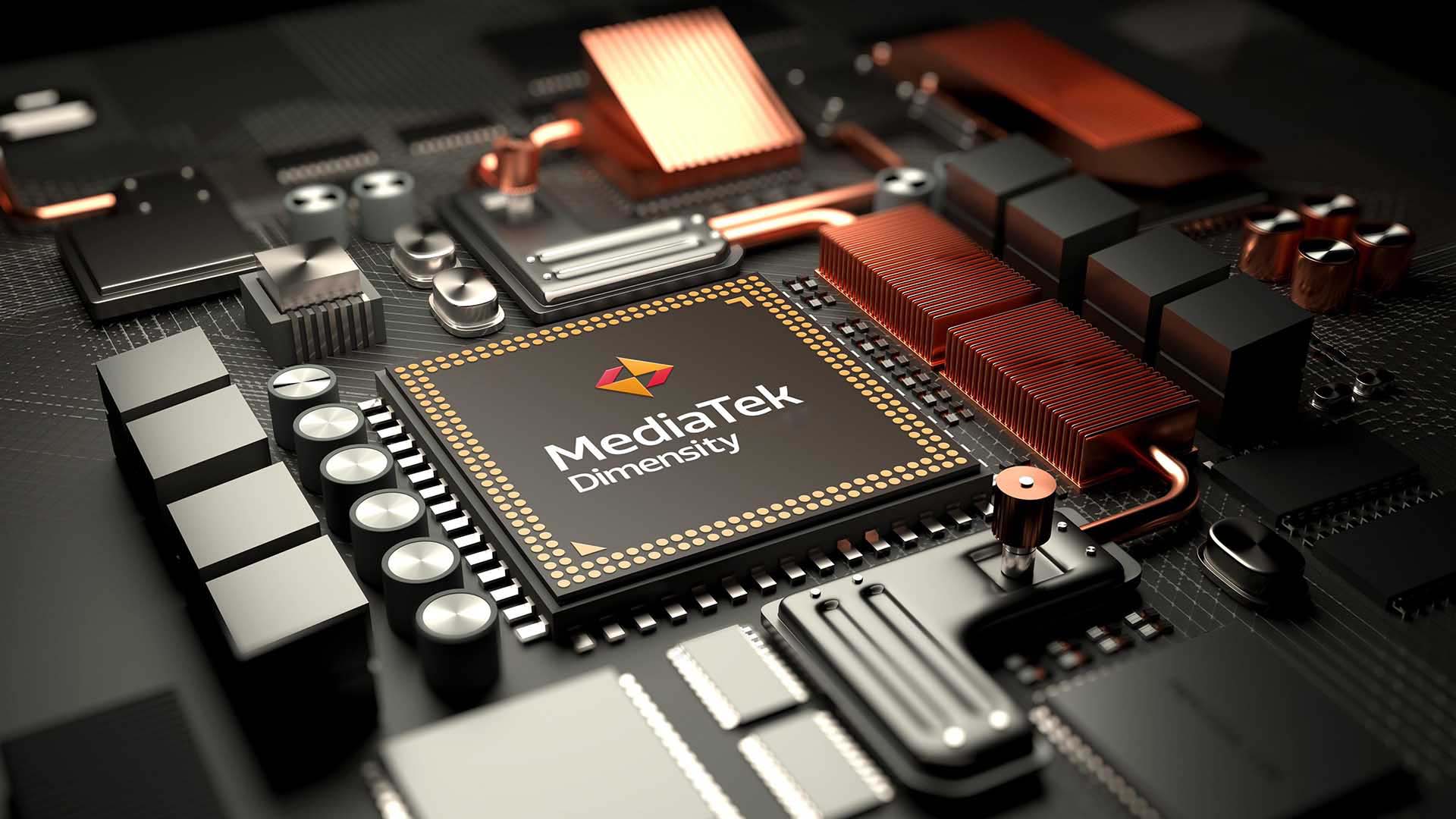
MediaTek has been on a remarkable run in the smartphone chipset market, consistently shipping more processors than rivals like Qualcomm, Apple, and Samsung across multiple quarters. But that volume-driven advantage could quickly become a liability. A new report suggests the ongoing DRAM shortage may significantly disrupt MediaTek’s system-on-chip shipments, landing at a particularly sensitive time as the company is expected to unveil its next high-end processor, the Dimensity 9600, later this year.
The Dimensity 9600 is shaping up to be a pivotal release. It’s widely expected to be MediaTek’s first flagship built on TSMC’s next-generation 2nm process, and reports indicate the company has already completed tape-out, putting it ahead of schedule compared to many competitors. The catch is cost. A cutting-edge 2nm chip is expensive by nature, and the broader memory crunch is making the situation more difficult for smartphone makers across the board.
According to the report, DRAM prices have surged by roughly 70%, while NAND flash pricing has jumped by around 100%. For phone manufacturers, that’s a major increase in bill-of-materials pressure, which often leads to reduced production targets, fewer device launches, or more conservative inventory plans. MediaTek could be hit especially hard because smartphone chipsets reportedly made up about 53% of its quarterly revenue in Q3 2025. In other words, if smartphone brands pull back, MediaTek has a lot more at stake than many would assume from its shipment leadership alone.
Another headwind: demand signals from China, where several major smartphone brands are said to be trimming shipment forecasts. That matters because Chinese OEMs are among MediaTek’s most important customers, particularly in the mid-range and value-flagship segments where the company has historically excelled. If those partners ship fewer devices in 2026 due to higher memory costs and softer demand, MediaTek’s overall SoC volumes could slide even if its chips remain competitively priced.
MediaTek’s product strategy may also face extra scrutiny in the upcoming flagship cycle. While Qualcomm is rumored to be preparing two top-tier options this year—giving phone makers more flexibility across price points and designs—MediaTek is believed to have a single flagship platform in active development. Multiple flagship tiers can help a supplier hold share when manufacturers are trying to balance performance, thermals, and cost, especially in a market where component prices are rising.
Where MediaTek traditionally wins is value. The company leans heavily on standard ARM CPU and GPU designs, enabling faster development cycles and typically allowing it to undercut competitors on price. That pricing advantage has helped MediaTek stay attractive to partners, but it also comes with a tradeoff: efficiency and peak performance can lag behind competitors using more customized approaches. Qualcomm’s custom Oryon CPU strategy is often cited as a reason it can push stronger performance per watt.
That gap has shown up in earlier comparisons. The Dimensity 9500 reportedly posted weaker performance-per-watt results than Snapdragon flagship silicon and Apple’s latest Pro-tier chip in Geekbench 6 testing. The takeaway isn’t that MediaTek can’t compete—it clearly can, especially on cost—but rather that matching Apple or Qualcomm at the very top of performance and efficiency may eventually require more in-house CPU development instead of relying primarily on off-the-shelf ARM designs.
Even so, MediaTek’s current formula has been working. The Dimensity 9500 is said to be significantly cheaper than Qualcomm’s comparable flagship chip, and for many Android phone makers, that difference can be the deciding factor. The bigger concern is what happens if smartphone shipments slow in 2026 due to the prolonged DRAM and NAND flash shortage. If device makers reduce production, the fight becomes less about who has the best pricing and more about who has the most resilient business mix. In that scenario, diversification becomes crucial.
MediaTek has explored opportunities beyond smartphone application processors, including being linked in past rumors to supplying 5G modems for wearables. But the long-term outlook depends on whether major customers continue to rely on outside modem suppliers or accelerate internal development, as seen with recent moves by some large ecosystem players.
For now, MediaTek remains a shipment leader—but the memory price shock, shifting demand from key customers, and intensifying flagship competition could turn the next year into one of its most challenging tests yet. If the DRAM shortage persists and phone makers tighten plans, MediaTek may need more than competitive pricing to protect its momentum.