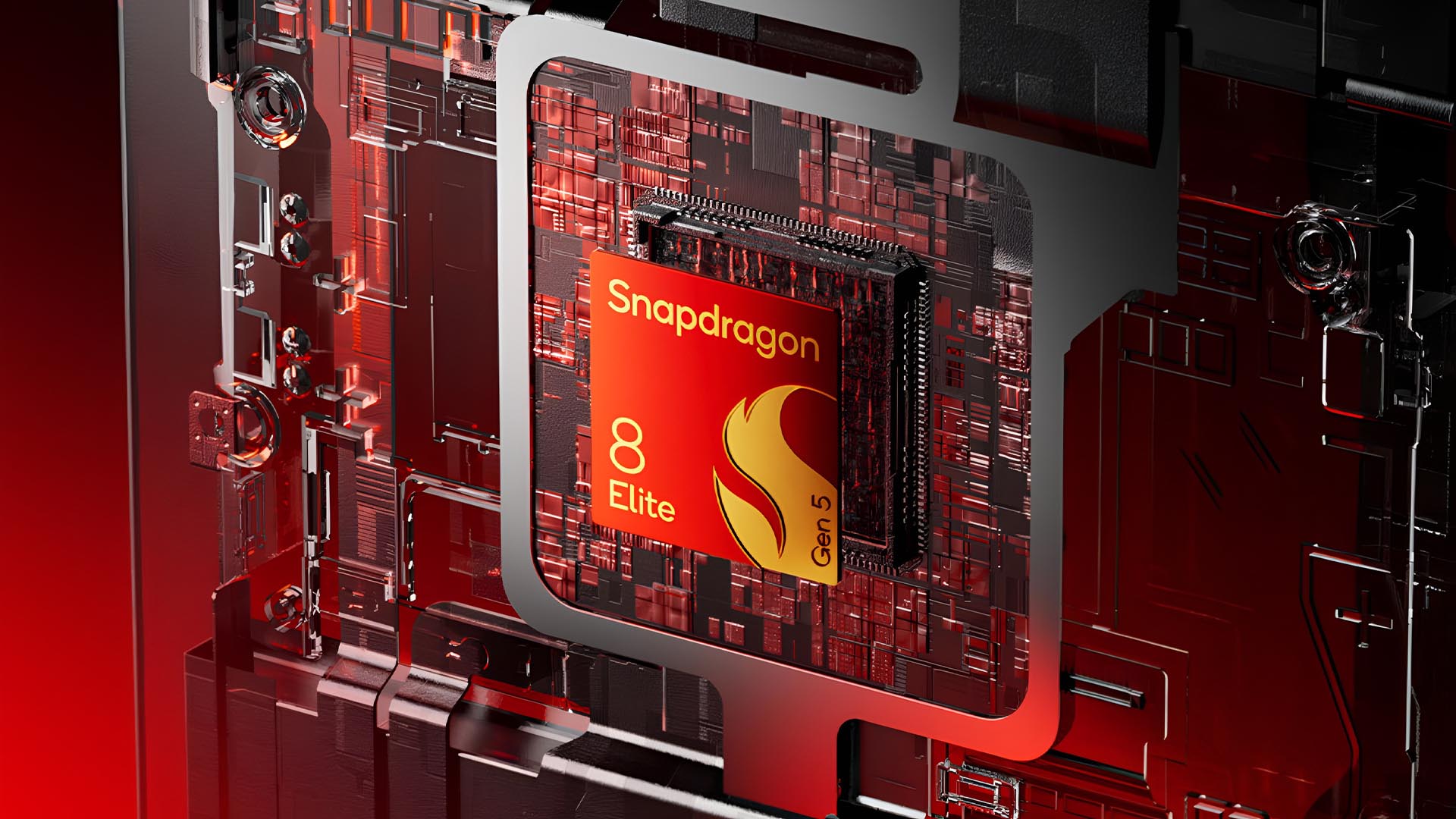
Flagship smartphone prices have been climbing for years, and it’s not just because brands feel like charging more. A major reason is that the cost of high-end components keeps rising, and Qualcomm’s top-tier Snapdragon chipsets have been a big part of that increase. Recent estimates put the Snapdragon 8 Elite Gen 5 at around $280 per unit, highlighting just how expensive today’s premium mobile processors have become.
What’s changing in early 2026, though, is even more worrying for anyone planning to buy a top Android phone. A well-known Weibo tipster, Digital Chat Station, claims that in Q1 2026, the cost of LPDDR5X RAM and UFS 4.1 storage has already climbed past the Snapdragon 8 Elite Gen 5 itself. In practical terms, that means a high-end memory setup like 16GB LPDDR5X RAM paired with 1TB of UFS 4.1 storage could cost phone makers more than $280 to include in a single device.
That’s a major shift, because for a long time the flagship processor was often the most expensive single part of a smartphone’s bill of materials. If memory and storage continue to outpace the chipset, manufacturers face a new pricing pressure point that’s harder to “optimize away” without compromising the specs people expect in a premium phone.
Even worse, this may only be the beginning. The same source has suggested that next-generation configurations, such as LPDDR6 RAM and UFS 5.0 storage, could end up costing more than Qualcomm’s future Snapdragon 8 Elite Gen 6 Pro. If that happens, the next wave of premium phones could become even more expensive to build, especially if the Gen 6 Pro crosses the $300 mark as some expect. In that scenario, brands may lean more heavily on the standard Snapdragon 8 Elite Gen 6 for their flagship and “flagship killer” models simply because it would be cheaper than the Pro version, helping keep overall costs from spiraling further.
Looking ahead to Q2 2026, the outlook remains tough. DRAM and NAND flash prices are expected to continue rising, putting smartphone companies in a difficult position: absorb the higher component costs and accept thinner profit margins, or raise prices and risk weaker demand and lower shipments. Either option could reshape the flagship smartphone market, especially for models that market big RAM and massive storage as must-have selling points.
One of the biggest forces behind these shortages and price increases is supply competition. A large portion of memory supply is being pulled into AI data centers, leaving less for consumer electronics like smartphones. Until that demand imbalance eases, phone makers may have limited room to maneuver, and shoppers could feel it in the form of higher prices or fewer “value-packed” high-spec configurations.
If you managed to grab an early Snapdragon 8 Elite Gen 5 phone before these component costs surged, you may have bought at exactly the right time. For everyone else eyeing a 2026 flagship upgrade, the next generation of premium phones may come with an even steeper price tag than expected.