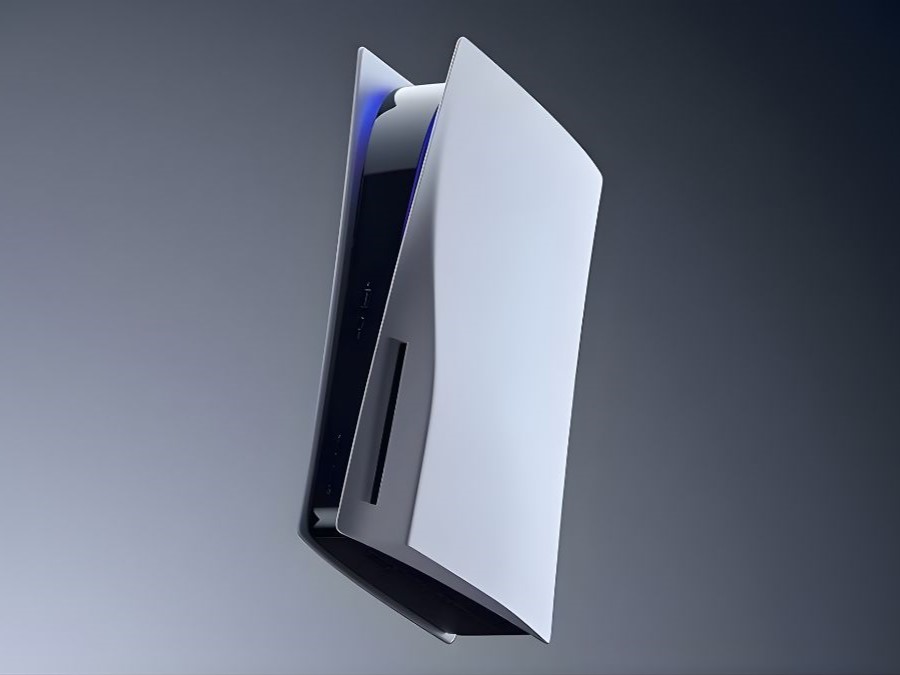
A PS5 modder has pulled off something many gamers have wanted for years: running Linux on Sony’s PlayStation 5. The project, shared by well-known modder Andy Nguyen, shows the console stepping beyond its usual closed ecosystem and behaving more like a flexible PC-style machine.
To prove it’s not just a proof-of-concept, Nguyen posted a demo video of Grand Theft Auto V Enhanced Edition running on the PS5 under Linux at around 60 FPS. Even more impressive, the footage indicates ray tracing is enabled, suggesting the port isn’t simply booting into Linux—it’s reaching a level of performance that looks genuinely usable for gaming and testing.
According to Nguyen, key features are already working properly. 4K HDMI video output functions as expected, audio is working, and all of the PS5’s USB ports operate normally. He also shared performance details that will interest hardware enthusiasts: the CPU is currently running at 3.2 GHz, while the GPU is operating at 2.0 GHz.
There is some headroom left on the table, but thermal limits are a real concern—especially on the PS5 Slim model. Nguyen explained that while the CPU could potentially be pushed to 3.5 GHz and the GPU to 2.23 GHz, those higher clocks cause the system to overheat fairly quickly. Because of that, he chose not to run the console at those increased speeds.
As exciting as this PS5 Linux breakthrough is, there’s an important catch. Nguyen says the setup requires a full chain exploit, which means it only works on older PS5 firmware versions. In practical terms, that limits who can try it and keeps the project firmly in the enthusiast and research space—for now.
With many players already looking ahead to the PS6 and wondering when Sony’s next console generation will arrive, projects like this show that the PS5 still has plenty of untapped potential. Modders continue to explore what the hardware can really do, and running Linux on PS5—complete with 4K output, working USB, and smooth gameplay—may be one of the most intriguing experiments yet.