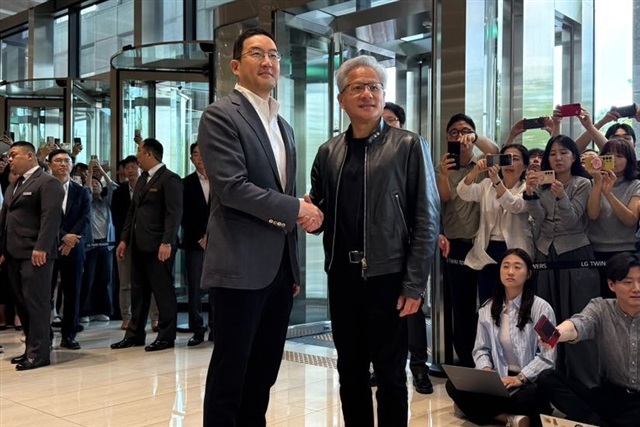
Nvidia and LG Electronics appear to be deepening their focus on AI-powered robotics, with Nvidia’s Madison Huang expected to visit LG Electronics’ Yangjae R&D campus in Seoul on August 18.
The visit is reportedly centered on LG’s robot data factory, a key facility designed to support the development of smarter, more capable robots. Huang is expected to inspect the site and meet privately with senior LG executives to discuss potential cooperation in robotics, artificial intelligence, and next-generation automation technologies.
The move comes as global interest in humanoid robots continues to accelerate. Companies across the technology, manufacturing, and consumer electronics sectors are investing heavily in robots that can work in factories, homes, hospitals, logistics centers, and service environments. For these machines to become more useful in real-world settings, they require massive amounts of high-quality data, advanced AI models, and powerful computing platforms.
That is where a robot data factory becomes important. Such a facility can help collect, organize, simulate, and refine the data needed to train robots for complex tasks. From recognizing objects and navigating indoor spaces to understanding human commands and responding safely, modern robots depend on large-scale data processing and AI training.
LG Electronics has already shown strong interest in robotics through service robots, smart home devices, and automation solutions. By combining its hardware expertise and consumer technology experience with Nvidia’s strength in AI computing, simulation, and robotics platforms, the two companies could explore new opportunities in the rapidly growing robot industry.
While the discussions are expected to take place behind closed doors, the meeting signals that LG is positioning robotics as a major part of its future growth strategy. Nvidia, meanwhile, continues to expand beyond graphics processors into artificial intelligence, data centers, autonomous machines, and robotics systems.
If cooperation moves forward, the partnership could help advance humanoid robot development and industrial automation. It may also strengthen South Korea’s role in the global robotics race, especially as major companies compete to build robots that can operate safely and intelligently alongside humans.
The August 18 visit to LG’s Seoul R&D campus could therefore become an important step in shaping the next phase of AI robotics, with both Nvidia and LG looking to play a larger role in a market expected to grow significantly over the coming years.