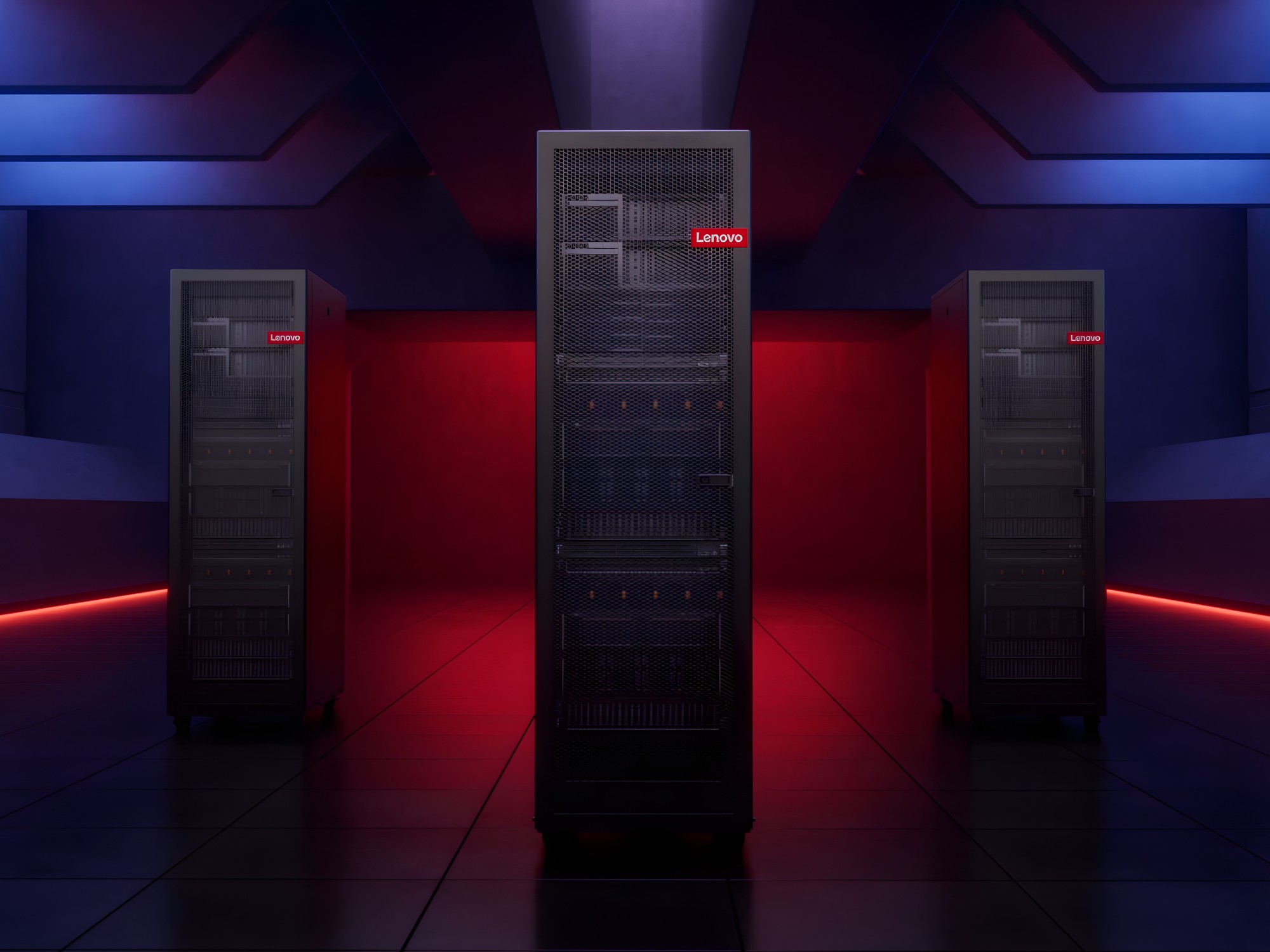
Lenovo is sounding an unusually direct alarm about the global memory crunch, and the message is simple: if your business is planning to buy servers, laptops, or desktops in the near future, waiting could cost you more money and leave you stuck with limited inventory.
In a recent interview, Lenovo North America President Ryan McCurdy explained that the ongoing AI boom is accelerating demand for key components, especially memory used across modern computing hardware. With AI server deployments expanding and showing little sign of slowing down, he expects component costs to keep rising. His advice to partners and buyers is to commit to purchases sooner rather than later, because today’s prices may be the lowest you’ll see for the next 6 to 12 months.
The bigger issue isn’t just pricing, it’s availability. McCurdy described a market where supply can disappear fast, and many businesses are already experiencing it firsthand. Some organizations are seeing servers, laptops, and desktops sell out within 24 hours. In one example shared by a systems integrator, a large order for GPU-accelerated servers couldn’t be secured because the inventory was gone later that same day. In this environment, a quote that looks good in the morning may not hold by the afternoon.
That volatility is especially painful for larger customers like enterprises, schools, and institutions. Even when budgets are approved, purchasing cycles often take days or weeks due to procurement rules, internal reviews, and contract steps. By the time the paperwork is done, the original system configuration may be unavailable, the price may have increased, or both. As a result, some Lenovo partners are reportedly buying fewer units than planned or choosing less ideal alternatives just to get something delivered.
If you’re wondering why many mainstream laptops haven’t dramatically jumped in price yet, it may be because manufacturers are still working through existing supply and previously negotiated component deals. McCurdy suggested Lenovo is in a stronger position than many competitors thanks to supplier arrangements, but he also pointed to an industry-wide challenge: major DRAM producers such as Samsung and SK Hynix are hesitant to lock in long-term contracts at pricing buyers would consider reasonable. That reluctance can make future pricing more unpredictable as demand stays high.
For everyday buyers and smaller businesses, the current market can feel confusing. You might still see laptop prices that look similar to what they were months ago, but the conditions supporting those prices may not last. As stockpiles thin out, shoppers could see fewer discounts, flash sales that expire faster, and less flexibility in available configurations.
The pressure isn’t limited to brand-name systems either. Building a custom PC on a budget may become even harder, especially when memory costs climb alongside already elevated prices for GPUs and storage. Over time, higher component costs tend to show up across the board, meaning prebuilt desktops and workstations are also likely to reflect the new pricing reality.
The takeaway from Lenovo’s warning is clear: the AI-driven demand cycle is tightening supply, and memory is a key bottleneck. Whether you’re upgrading data center servers, ordering fleet laptops for a school, or planning a business PC refresh, buying earlier could help you avoid surprise price hikes and last-minute out-of-stock headaches.