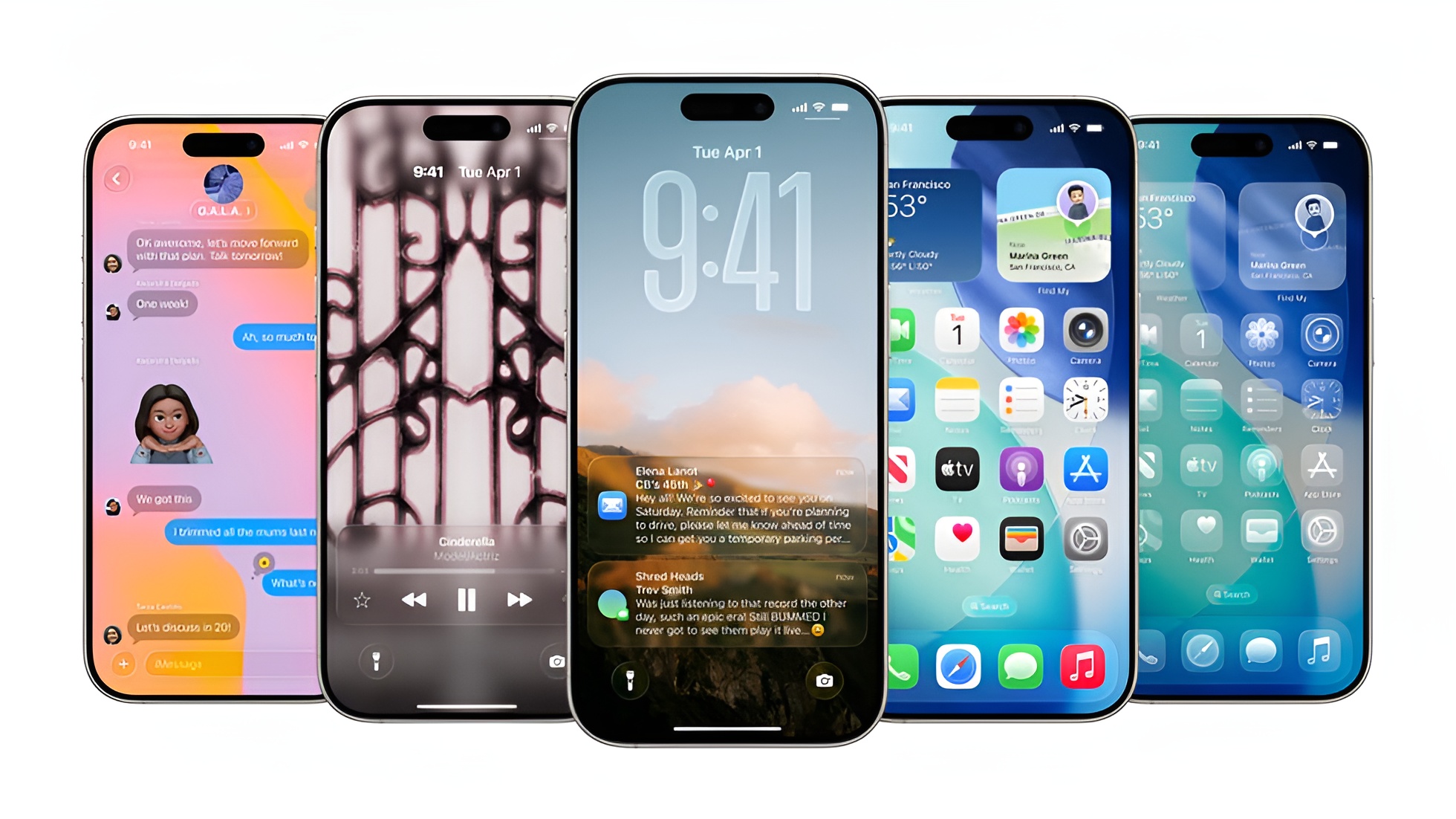
An unreleased internal build of Apple’s iOS 26 has quietly surfaced a wave of new clues about what the company is working on next. After early findings hinted at upcoming hardware like the iPad 12, a refreshed Apple Studio Display, and the rumored Apple HomePad, fresh code snippets inside the same build are now pointing to what could arrive in iOS 26.4, iOS 27, and even iOS 28.
iOS 26.4 looks especially important because it’s shaping up to be the long-awaited “Spring 2026” update that pushes Siri and Apple Intelligence forward in a much bigger way. Apple’s goal appears to be moving Siri beyond simple questions and commands and into more practical, real-world assistance that can actually do things for you across apps.
The update is expected to include three major Siri upgrades that have been in development for a while. The first is In-app Actions, which would let Siri perform context-based tasks inside supported apps using voice commands, such as adding items to a grocery list, sending messages, or starting music playback without extra steps. The second is Personal Context Awareness, allowing Siri to use personal data to help in a more tailored way, like searching messages to find a podcast recommendation someone texted you. The third is On-Screen Awareness, which would enable Siri to understand what’s currently on your display and respond with actions based on what you’re seeing.
Beyond Siri, the internal iOS 26 build also hints at several practical iOS 26.4 additions that could make everyday use smoother.
One standout improvement involves iCloud Keychain and saved payment details. iOS may be able to detect when you store credit card information inside third-party apps and then offer to save that information to iCloud Keychain, similar to how Safari already suggests saving and autofilling credentials. If it ships, this could make switching devices and making payments more seamless while keeping everything inside Apple’s password and credential system.
Apple’s Freeform app also appears to be getting a feature many users have wanted: folders. Freeform is designed for brainstorming, planning, and visual collaboration, and adding folders would make it far easier to organize boards for work, school, and personal projects.
Sports fans may also see a clearer experience inside Apple TV, since the code references a dedicated “Sports Tier” within the Apple TV app. While details are limited, this suggests Apple could be planning a more structured way to browse or subscribe to sports-focused content.
Another notable change is security-focused: a new validation system that checks device integrity before allowing sign-in to an Apple Account and iCloud. That could mean stronger protection against unauthorized access, especially in scenarios involving compromised devices or suspicious login attempts.
Looking beyond iOS 26.4, the same internal build also provides more hints about where Apple is going in iOS 27 and iOS 28.
For iOS 27, Apple has already been linked to a significant Health app overhaul, and the leaked references reinforce that a revamp is actively in the works. The update is expected to move toward more personalized, AI-powered health guidance. That includes coaching-style recommendations and a curated library of videos from health experts to explain conditions and support lifestyle improvements. Nutrition tracking is also expected to be part of the plan.
The internal code points to a redesigned Health app experience with a new category layout and easier metric logging, suggesting Apple wants health tracking to feel less buried in menus and more approachable for everyday users.
The same iOS 26 build also references feature flags tied to improved “collections” in the Photos app, which could signal upcoming changes to how Photos groups, organizes, or presents your library. There’s also mention of a new pairing system for AirPods, hinting at a refreshed setup process or more advanced multi-device behavior.
iOS 28 appears to push further into health and wearable tracking. Apple is reportedly planning to add new sleep tracking metrics through Apple Watch, which could expand sleep insights beyond what’s currently available. On top of that, the Health app may finally arrive on Mac with macOS 28, signaling Apple’s intent to make health data easier to view and manage on a larger screen.
If these internal references reflect Apple’s real roadmap, the next few iOS releases won’t just be about new features—they’ll be about making Siri more capable, strengthening account protection, and turning the Health app into a more central, coaching-style hub across iPhone, Apple Watch, and Mac.