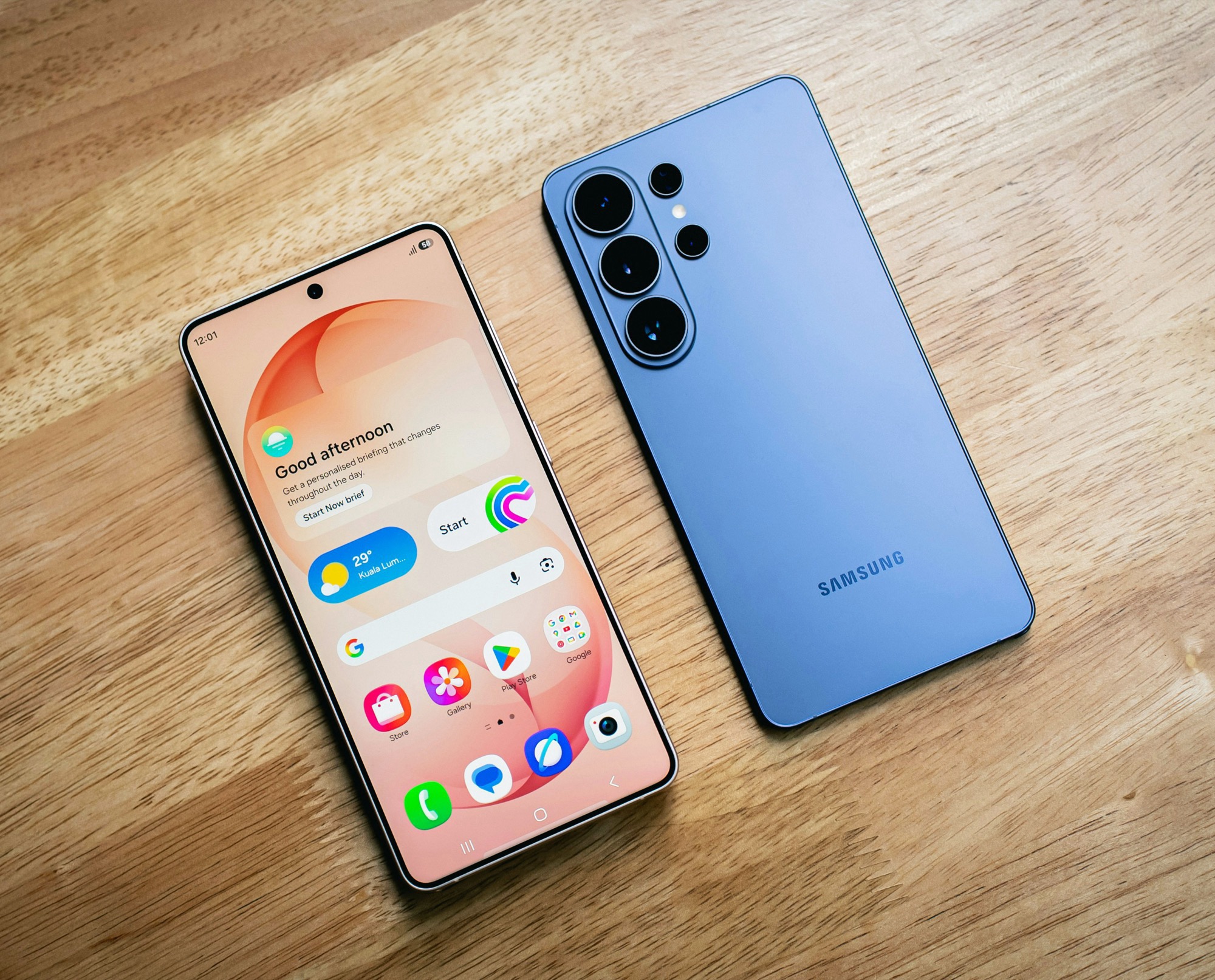
Samsung could be preparing a major leap in smartphone battery life, and early testing hints at some truly eye-catching numbers. New leaked documents suggest the company is experimenting with next-generation silicon-carbon batteries, which are designed to pack more energy into the same space than traditional lithium-ion cells.
One of the most ambitious test units reportedly reaches a huge 20,000 mAh capacity. That kind of battery could completely change how often people need to charge their phones. However, the leak also notes a significant issue: this 20,000 mAh prototype developed a defect after 960 charge cycles, showing that while Samsung is pushing capacity to new extremes, long-term durability is still being refined.
Alongside that large prototype, Samsung is said to be testing an 18,000 mAh battery built using a three-cell stacked design. The reported configuration includes a 6,699 mAh cell measuring 4.2 mm thick, a 6,000 mAh cell at 3.9 mm, and a 5,527 mAh cell at 3.28 mm. Combined, the stack totals about 12.8 mm in thickness. That makes this battery better suited to thicker devices, such as rugged or outdoor-focused smartphones where extra bulk is more acceptable in exchange for dramatically longer battery life.
For more mainstream designs, a 12,000 mAh option appears more realistic. This version reportedly uses a two-cell construction and measures around 9.3 mm thick. While still larger than what most flagship phones currently use, it’s considerably easier to imagine in a consumer-ready device than the thicker 18,000 mAh build.
Samsung also reportedly expects the 12,000 mAh battery to retain 80% of its capacity after 1,500 charge cycles, which would be a strong result if it holds up in real-world conditions. Based on early estimates, a 12,000 mAh smartphone battery could deliver around 20 to 25 hours of active use, potentially turning heavy daily usage into a multi-day experience for many users. It’s worth noting these numbers remain theoretical for now, since runtime and lifecycle testing is still ongoing.
Even if these specific prototypes are too thick for most slim flagship models today, the bigger story is clear: Samsung appears to be actively developing silicon-carbon battery technology. If the company can balance capacity, thickness, heat management, and long-term reliability, future Galaxy devices could eventually offer the kind of high-capacity batteries that have been gaining attention in competing phones—without forcing users to compromise as much on performance or design.