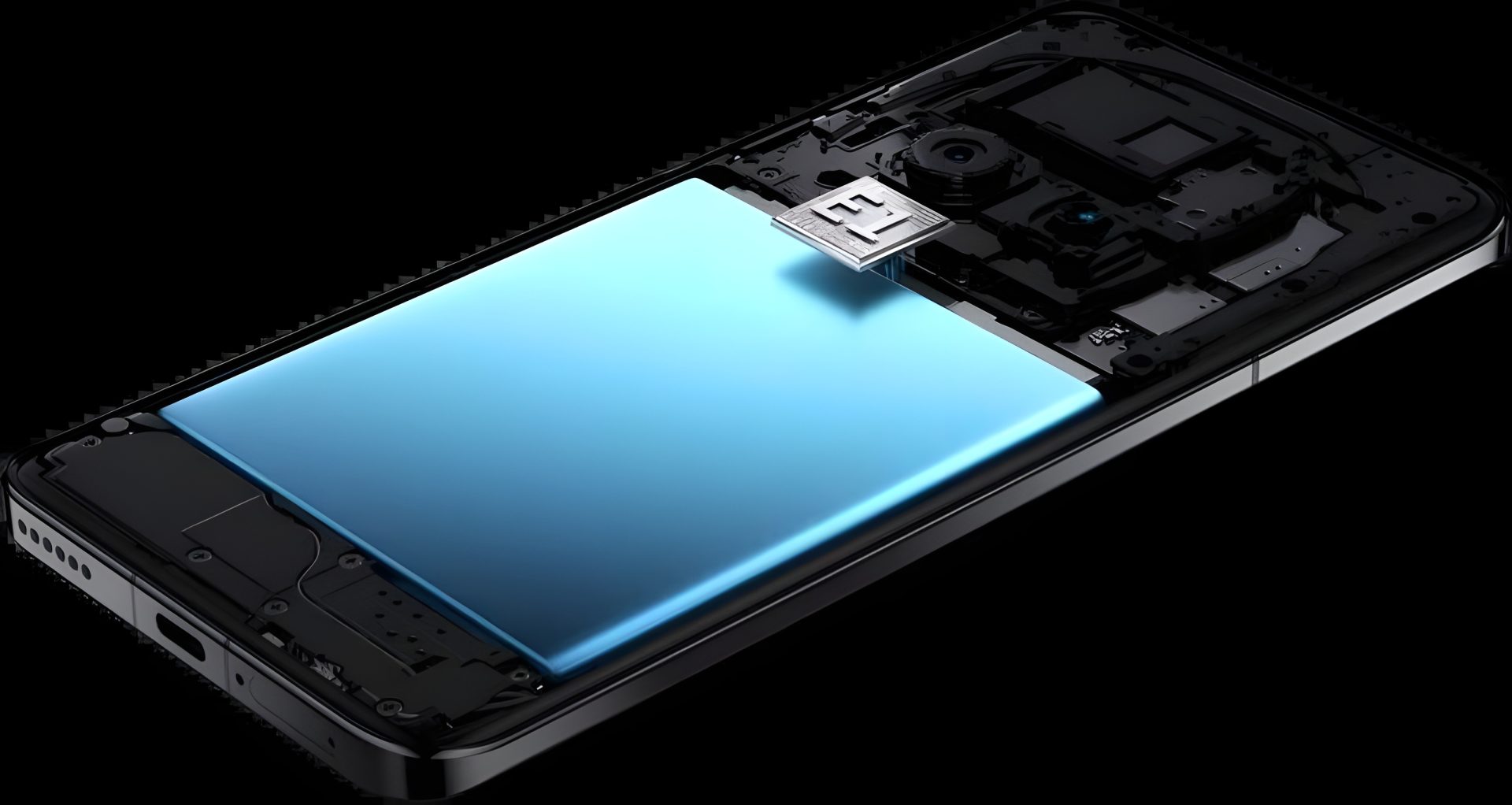
Samsung has played it safe with smartphone battery innovation for years, largely because the company tightened its standards after the Galaxy Note 7 incident in 2016. That cautious approach may now be starting to hurt, as rival phone makers—especially Chinese brands—are moving faster with high-capacity silicon-carbon batteries that promise bigger batteries without making phones much thicker.
Newly surfaced details shed more light on Samsung’s recent experiments with ultra-large silicon-carbon (Si/C) battery cells. Earlier reports suggested Samsung began testing a huge 20,000mAh silicon-carbon battery in late 2025, only to drop it soon after. Leaked documents now provide a clearer explanation of what happened, and they also reveal that Samsung is still actively testing smaller—but still massive—battery configurations, including an 18,000mAh option.
Silicon-carbon batteries differ from traditional lithium-ion batteries mainly in the anode material. Instead of graphite, they use a nanostructured silicon-carbon composite designed to be more fracture-resistant. The key advantage is that silicon-based anodes can store far more lithium ions than graphite—potentially up to around 10 times more—unlocking much higher capacity while keeping the battery relatively slim.
In Samsung’s earlier 20,000mAh test setup, the company reportedly evaluated a dual-cell design: a primary 12,000mAh cell that was 6.3mm thick, paired with a secondary 8,000mAh cell at 4mm thick. However, according to the latest leak, this 20,000mAh silicon-carbon battery failed at 960 charge cycles.
That number is important because modern smartphone batteries are commonly rated in the neighborhood of 500 to 1,000 charge cycles. The fact that Samsung still considered 960 cycles a failure suggests the company is aiming for particularly strict longevity targets before approving a next-generation battery design for mass production.
Even though the 20,000mAh project appears to have been shelved, Samsung’s testing reportedly continues with other high-capacity silicon-carbon batteries. One is a 12,000mAh configuration made up of two cells—6,800mAh and 5,200mAh. Another is an even larger 18,000mAh battery that combines three cells: 6,699mAh, 6,000mAh, and 5,257mAh.
The big takeaway is that Samsung hasn’t abandoned silicon-carbon technology—it’s still experimenting, but it’s prioritizing durability and cycle life as much as headline-grabbing capacity. With competitors pushing aggressive battery upgrades, the race now centers on who can deliver not just the biggest battery, but one that can maintain strong long-term health under real-world charging demands.