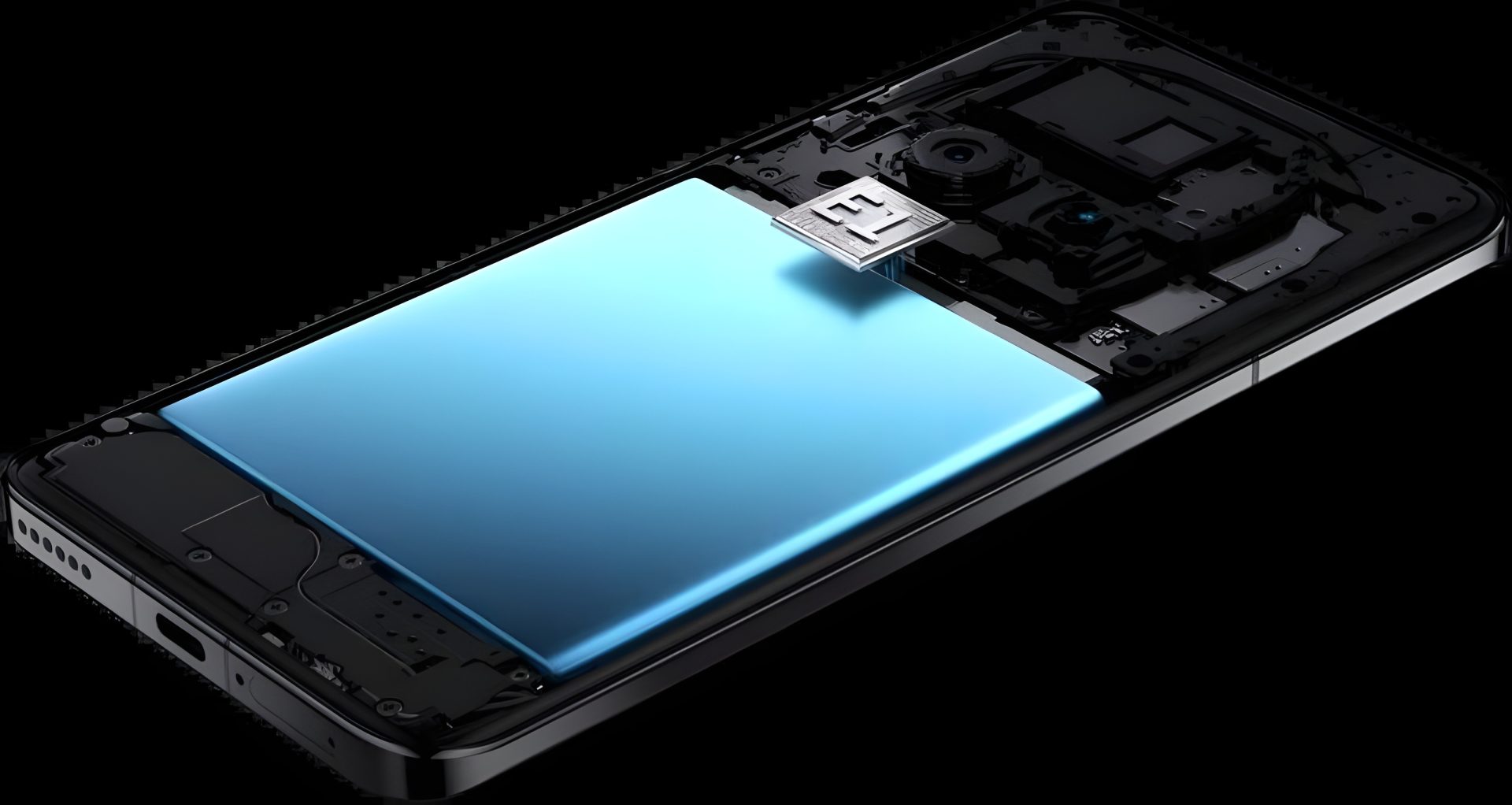
Samsung has watched the smartphone battery race from the sidelines for years, especially as brands in China pushed huge capacity numbers and made 8,000mAh to 10,000mAh phones a headline feature. Instead of joining in early, Samsung held back on silicon-carbon (Si/C) batteries until the company felt the technology was truly ready for mass-market reliability. That cautious approach may have helped it avoid major risks, but it also meant falling behind in the battery-capacity conversation.
That may finally be changing. A new claim from tipster Schrödinger suggests Samsung is close to solving the biggest drawback of silicon-carbon batteries: long-term durability. If those improvements hold up, the Galaxy S27 series, with the Galaxy S27 Ultra as the most likely first model, could be Samsung’s first major smartphone to ship with a silicon-carbon battery and a noticeably higher capacity than the 5,000mAh packs that have become typical for the company’s recent flagships.
Why silicon-carbon batteries matter for Samsung phones
Silicon-carbon battery technology differs from standard lithium-ion batteries mainly in the anode material. Traditional lithium-ion batteries typically use graphite anodes. Silicon-carbon designs replace that with a nanostructured silicon-carbon composite built to resist cracking and fracture.
The upside is significant: silicon can store far more lithium ions than graphite—often described as up to 10 times more. In practical terms, that can mean higher energy density, allowing either much bigger battery capacities without making the phone thicker, or slimmer designs without sacrificing battery life. For consumers, it’s a potential path to longer-lasting phones that don’t balloon in size.
The trade-off, and the reason Samsung reportedly stayed cautious, is lifespan. Silicon-based anodes can degrade faster due to expansion and contraction during charging cycles, which can reduce long-term capacity retention and make it harder to guarantee the kind of durability expected from premium devices.
Samsung’s battery testing reveals the main obstacle: charge cycles
Samsung’s battery division has reportedly been experimenting with very large silicon-carbon battery packs, including an ambitious 20,000mAh dual-cell setup. That configuration was said to include a 12,000mAh primary cell (around 6.3mm thick) paired with an 8,000mAh secondary cell (about 4mm thick). The issue wasn’t capacity—it was longevity. The pack reportedly failed at roughly 960 charge cycles, short of Samsung’s internal target of 1,500 cycles.
Because of that, Samsung has also been testing lower-capacity alternatives, including an 18,000mAh design and a 12,000mAh dual-cell arrangement. The 12,000mAh approach reportedly combines a 6,800mAh cell (about 4.7mm thick) with a 5,200mAh cell (about 3.2mm thick), suggesting Samsung has been exploring different stacking layouts and thickness profiles to balance capacity, phone design constraints, and lifespan.
Galaxy S27 Ultra could be the first silicon-carbon Samsung flagship
According to Schrödinger, Samsung engineers are now actively working on several core elements that directly affect silicon-carbon longevity. The claim says Samsung is reworking separator layers, adjusting stacking architecture, and refining battery management firmware—all with the goal of hitting 1,500 charge cycles.
If Samsung reaches that benchmark, it clears one of the biggest barriers to using silicon-carbon batteries in high-volume flagship phones, where warranties, reputation, and real-world reliability matter as much as headline specs. The tipster adds that multiple sources point to a silicon-carbon smartphone already in active preparation, and the Galaxy S27 Ultra is described as the most likely first device to deploy the technology.
Why a bigger battery would be a big deal for Samsung
Samsung has stuck close to 5,000mAh batteries across its smartphone lineup for years. While the company has improved efficiency through newer chipsets, display optimizations, and software tuning, many users still see battery capacity as the simplest measure of “real” endurance—especially as competitors push larger numbers and market them aggressively.
The Galaxy A9 Pro from 2016 was one of Samsung’s early phones to feature a 5,000mAh battery, and that same capacity figure has remained common in Samsung’s phones for nearly a decade. That’s why silicon-carbon is such an important potential shift: if Samsung finally introduces the tech to consumers, expectations will be high that it brings meaningful, noticeable improvements in battery life, not just a small bump.
Cautious optimism, with reliability in focus
Samsung’s decision to wait until the technology matures could pay off if it results in silicon-carbon batteries that deliver both higher capacity and strong long-term health. For a mainstream flagship like the Galaxy S27 Ultra, that balance is crucial. A major battery leap only matters if it remains safe, stable, and dependable through years of real-world charging—something smartphone buyers increasingly care about as they keep devices longer.
For now, these details remain unofficial, but the direction is clear: Samsung appears to be preparing for a major battery upgrade, and the Galaxy S27 Ultra could be the phone that finally ends the long 5,000mAh era for the company’s top-tier models.


