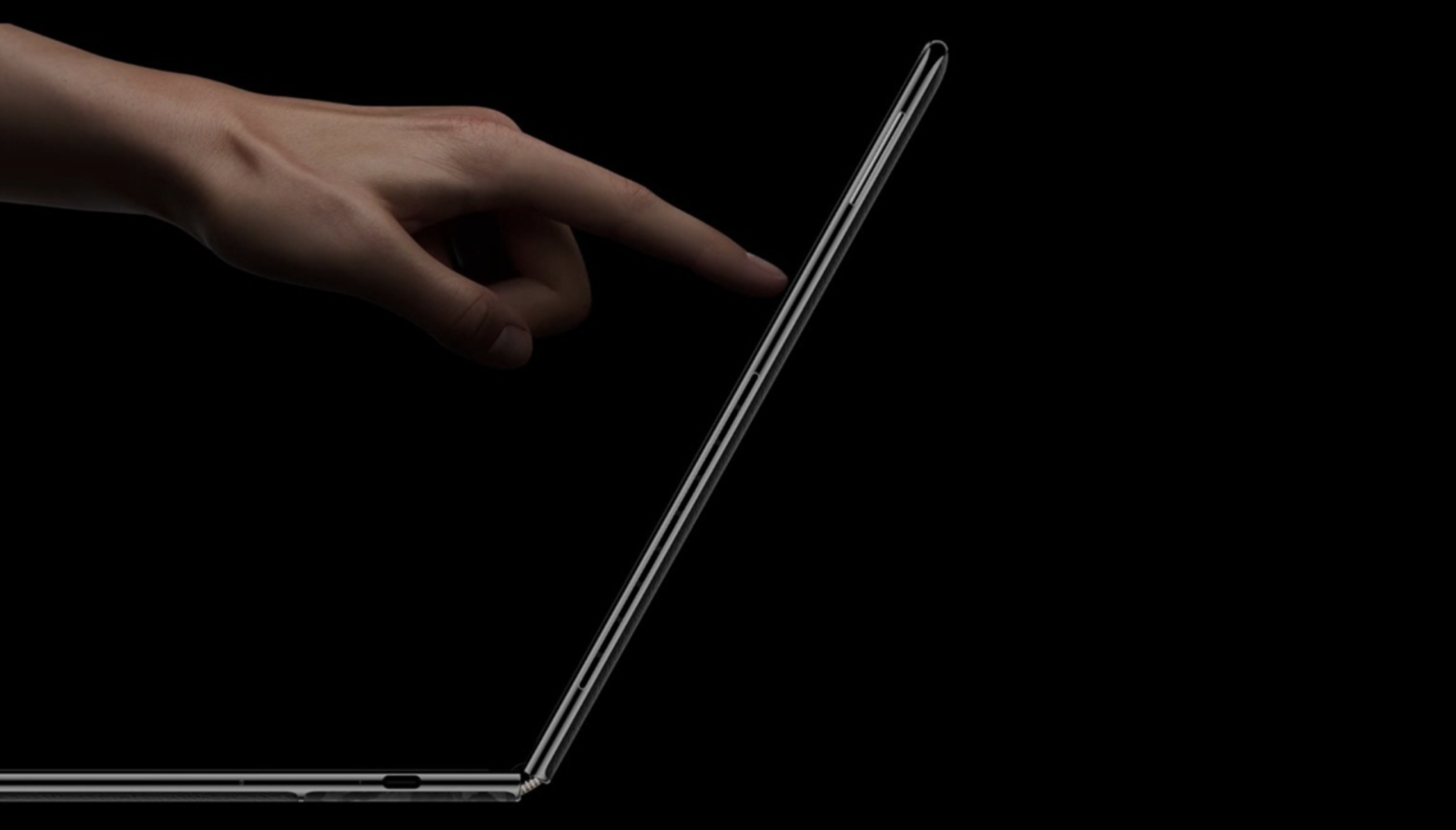
Touchscreen Macs might finally be on the horizon. According to well-known analyst Ming-Chi Kuo, Apple’s supply chain is gearing up for a touch-enabled MacBook Pro with an OLED display, with production expected to begin in late 2026. Depending on how the rollout goes, shipments could land at the end of 2026 or slip into early 2027.
This timeline lines up with earlier industry chatter suggesting Apple will introduce new MacBook Pro models powered by an M5 chip earlier than usual next year, followed by OLED MacBook Pro variants that could debut with an M6 chip either later that year or soon after. If that pans out, we’re only about two generations away from seeing a touchscreen MacBook Pro.
A touch-capable Mac would mark a major shift in Apple’s laptop strategy, bringing the Mac experience closer to the iPad in ways many users have been asking for. After years of tapping, swiping, and pinching on iPhones and iPads, reaching out to interact with a Mac screen feels instinctive—but today, it doesn’t do anything. Moving to OLED with touch would change that, delivering richer contrast, deeper blacks, and more natural interaction for scrolling, sketching, annotating, and on-the-go edits.
Kuo also hints that touch won’t be limited to high-end models. Apple is reportedly exploring a second-generation budget MacBook powered by an iPhone-style chipset, making it a strong candidate for a touchscreen as well. If that direction holds, the MacBook Air could eventually see similar treatment, extending touch to a broader slice of the Mac lineup.
Of course, touch support on macOS would require thoughtful interface tweaks. Expect Apple to refine tap targets and system gestures so everything feels comfortable under a finger as well as a trackpad. The latest macOS, codenamed Tahoe, already shares visual DNA with iPadOS 26, reinforcing Apple’s long-term push to harmonize touch-first and desktop-first experiences across its platforms.
Windows laptops have offered touch for years, but Apple tends to wait until the technology and software feel seamless. An OLED MacBook Pro with touch would signal that the company believes the experience is finally ready—without compromising battery life, performance, or display quality.
Would a touchscreen convince you to upgrade your MacBook? If you’ve ever found yourself tapping the screen out of habit, this shift might be exactly what you’ve been waiting for.


