Kevin O’Leary’s Apple laptop claim sparks debate as critics point to newer MacBook pricing
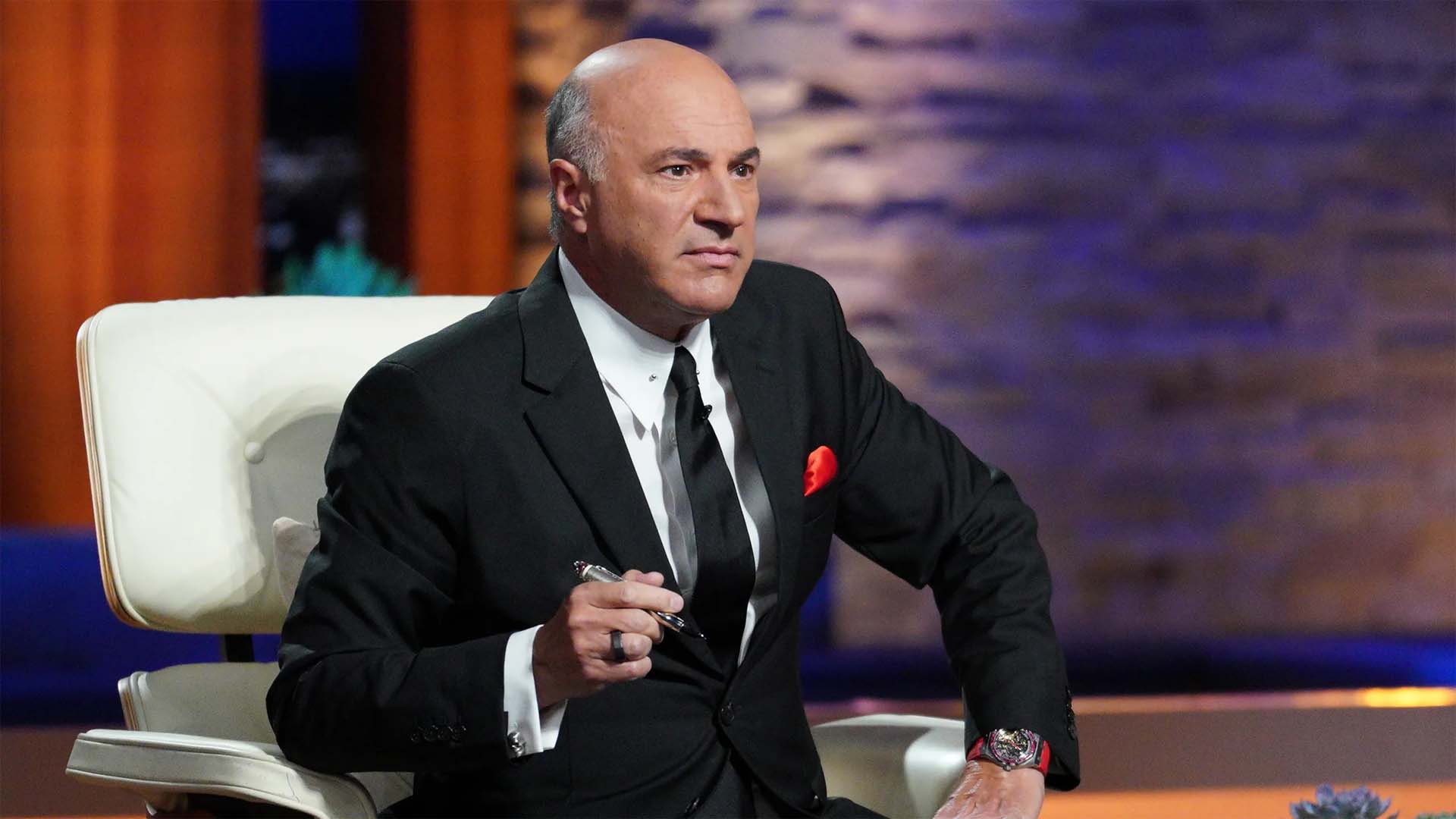
Kevin O’Leary, best known as one of the investors on ABC’s “Shark Tank,” has triggered a lively debate online after sharing his view on Apple’s pricing power during an episode of “Tetr College of Business and Masters’ Union.” While discussing entrepreneurship, Steve Jobs, branding, and consumer behavior, O’Leary argued that Apple’s brand is so strong that customers are willing to pay far more for a MacBook than they would for a Windows laptop with similar basic functionality.
His main point was simple: in his view, Apple can sell a laptop for around $1,800 while consumers could buy a Windows machine for roughly $350 and still perform many of the same everyday tasks. According to O’Leary, the reason people continue to choose the Mac is not just hardware, but brand loyalty.
The comment quickly caught attention on X, where many users pushed back. Critics argued that comparing a low-cost Windows laptop to a premium MacBook ignores major differences in hardware quality, performance, battery life, display technology, trackpad experience, build materials, speakers, software integration, and long-term usability.
The criticism is not just about brand preference. Many users believe O’Leary’s comparison oversimplifies the laptop market. A $350 Windows notebook may be fine for basic browsing, document editing, and video streaming, but that does not mean it delivers the same overall experience as a higher-end MacBook. Premium laptops typically offer stronger processors, better screens, longer battery life, faster storage, more durable chassis designs, and smoother software optimization.
Another issue raised by critics is that Apple’s laptop lineup is no longer limited to expensive models near the $1,800 range. Apple’s more affordable portable computers have become a bigger part of the conversation, especially as newer MacBook models continue to deliver strong performance at lower prices.
The MacBook Neo, for example, has been described as one of Apple’s most disruptive lower-cost notebooks, with pricing reportedly dropping below $600 through online retailers. That puts it much closer to mainstream laptop territory and weakens the argument that Apple buyers must always spend five times more than they would on a Windows alternative.
There is also the 13-inch M5 MacBook Air, which has been highlighted as one of Apple’s strongest value-focused laptops. With 16GB of unified memory and a 512GB SSD, it can reportedly be found for under $900 during strong promotional deals. That kind of pricing makes the “$1,800 versus $350” comparison feel less representative of Apple’s broader lineup.
Supporters of Apple also point to the company’s control over both hardware and software as a major advantage. Because Apple designs its own operating system, chips, and many key components, it can optimize performance and power efficiency in ways that traditional Windows laptop makers may struggle to match. Windows manufacturers often rely on third-party operating systems and processor suppliers, which can make cost control and optimization more complicated.
That vertical integration is one reason MacBooks are often praised for battery life, standby performance, fan noise, trackpad quality, and overall responsiveness. For many buyers, those details are part of the value, not simply a result of branding.
O’Leary’s broader argument about Apple’s brand power still has merit. Apple has built one of the most valuable consumer brands in the world, and its reputation absolutely influences purchasing decisions. Many customers choose MacBooks because they trust the ecosystem, like the design, prefer macOS, or already use an iPhone, iPad, Apple Watch, or other Apple products.
However, the backlash shows that consumers and tech enthusiasts do not view the MacBook premium as purely symbolic. To them, the comparison between a budget Windows laptop and a MacBook leaves out too many important factors.
Some users also mocked the idea of criticizing expensive technology while wearing luxury items, arguing that people regularly pay more for design, status, craftsmanship, and personal preference in many product categories. In that sense, Apple is not unique. Watches, cars, clothing, audio gear, and smartphones all show that people often pay more than the minimum required for basic functionality.
The real debate is whether Apple’s higher prices are justified by product quality and ecosystem value, or whether the company’s brand allows it to charge more than competitors for similar results. O’Leary appears to believe the brand is the central reason. His critics argue that Apple’s hardware, software, and long-term user experience play a much bigger role than he acknowledged.
Ultimately, the reaction suggests that the modern laptop market is more complex than a simple Mac versus cheap Windows comparison. Apple does benefit from powerful branding, but its current lineup also includes more affordable machines that challenge the idea that every MacBook buyer is paying an extreme premium.
For buyers, the best choice still depends on needs and budget. A $350 Windows laptop may be enough for basic tasks. A MacBook may offer better performance, battery life, build quality, and integration for users who value those features. The controversy around O’Leary’s remarks highlights one thing clearly: when it comes to Apple laptops, the conversation is no longer just about price. It is about experience, ecosystem, performance, and how much those things are worth to the person buying the machine.


